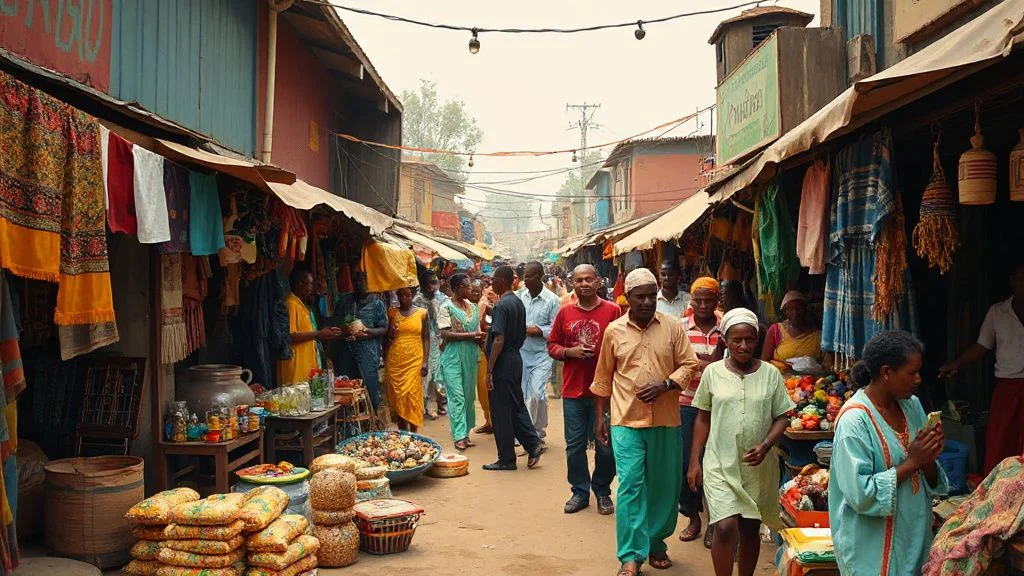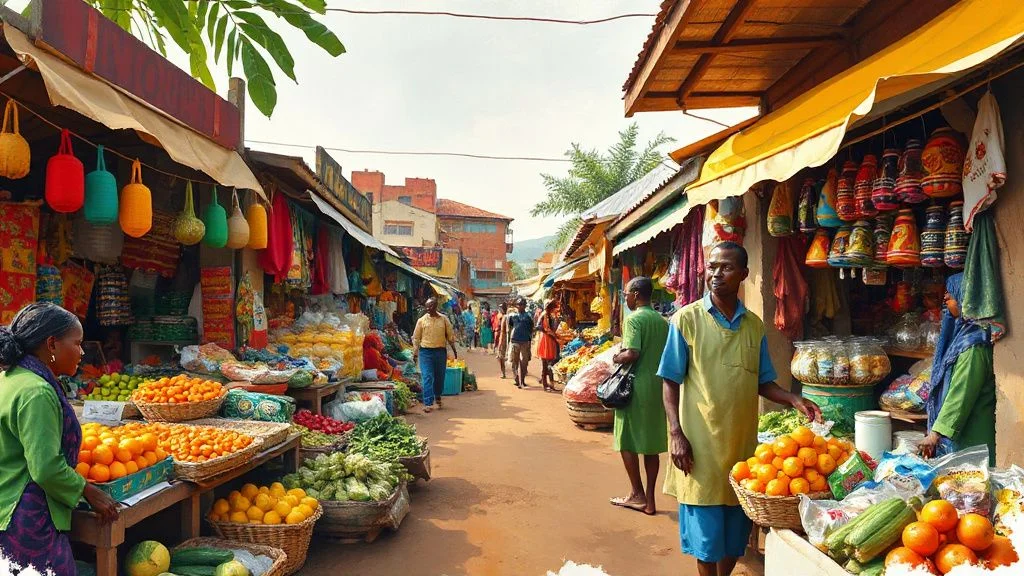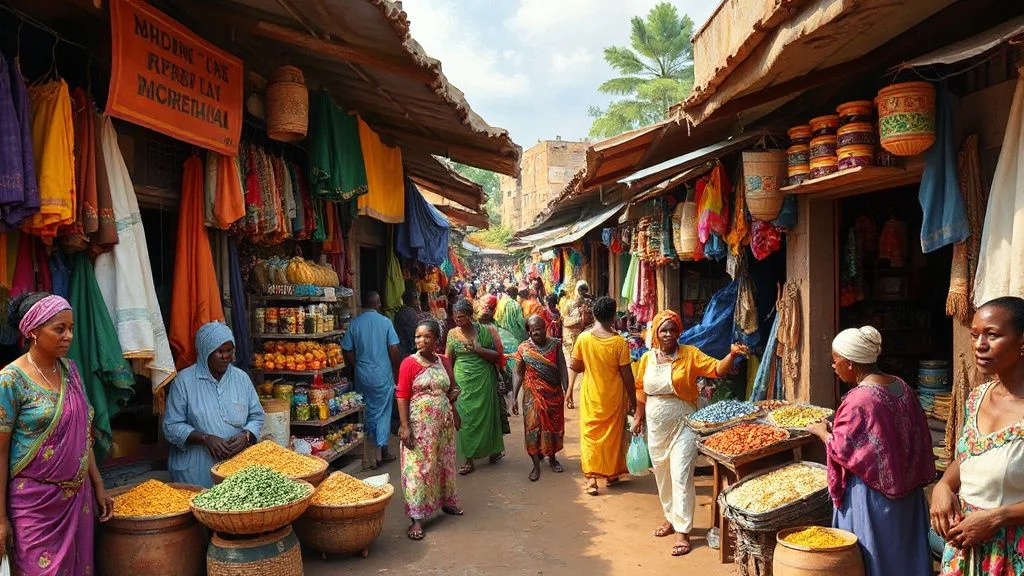
The Nigerian diaspora is a vibrant and multifaceted community that has grown significantly over the years. This article explores the historical context and contemporary reasons behind the migration of Nigerians, shedding light on why so many choose to live abroad. Readers will gain insights into the socio-economic factors, cultural connections, and the overall impact of the diaspora on both the host countries and Nigeria.
What can we help you with?
Three short questions, then just how to reach you. No account needed.
The Historical Context of Nigerian Migration
Nigerian migration has deep roots that can be traced back to various historical events, including the Transatlantic Slave Trade, colonialism, and economic challenges. The first significant wave of Nigerian migration occurred during the Transatlantic Slave Trade, where countless individuals were forcibly taken to the Americas and other regions. This early diaspora laid the groundwork for the diverse Nigerian communities found worldwide today.
In the post-colonial era, starting from the 1960s, Nigeria witnessed heightened migration due to political instability, economic uncertainty, and civil unrest, particularly during the Nigerian Civil War (1967-1970). Many educated professionals sought better opportunities abroad, resulting in a brain drain that continues to affect the country. This era marked the beginning of significant Nigerian communities in countries like the United States, the United Kingdom, and Canada, with many seeking greener pastures and a more stable environment for their families.
Contemporary Migration Trends and Drivers
Today, the Nigerian diaspora is estimated to be one of the largest in the world, with millions living in various countries. The reasons for this migration are diverse and complex. Typically, economic factors play a crucial role. Many Nigerians seek better job opportunities and higher wages abroad, particularly in developed countries. The pursuit of quality education is another significant motivator, as many students travel overseas to acquire degrees that may not be as accessible or valued in Nigeria.
Additionally, the desire for political stability, improved healthcare, and overall quality of life drives many Nigerians to relocate. The challenges faced in Nigeria, including corruption, inadequate infrastructure, and security issues, often overshadow the potential benefits of staying. As a result, the diaspora continues to grow, with many Nigerians establishing successful careers and families abroad while maintaining strong ties to their homeland.
The Role of the Nigerian Diaspora in Development
The Nigerian diaspora plays a vital role in contributing to the development of Nigeria through remittances, investments, and community engagement. It has been reported that remittances from Nigerians abroad represent a significant portion of Nigeria's economy, highlighting the economic significance of the diaspora. These funds are often used for various purposes, including education, healthcare, and entrepreneurship, directly impacting families and communities back home.
Moreover, many members of the diaspora engage in initiatives that promote development in Nigeria. They often participate in programs that support education, health, and infrastructure projects, reflecting a commitment to enhancing the quality of life in their home country. The establishment of organizations and networks among the diaspora has further facilitated these efforts, creating platforms for collaboration and support.
Cultural Connections and Identity
The Nigerian diaspora is characterized by a strong sense of cultural identity and community. Despite living abroad, many Nigerians maintain their cultural practices, languages, and traditions. Festivals, cultural events, and community gatherings serve as vital links to their heritage, allowing individuals to celebrate their roots while adapting to their new environments.
For expats and returning Nigerians, understanding these cultural connections is crucial for integration. Engaging with local Nigerian communities, participating in cultural events, and learning the languages spoken within the diaspora can enhance social connections and foster a sense of belonging. Many cities across the globe have vibrant Nigerian communities that offer support and resources for newcomers.
Practical Tips for Expats and Returning Nigerians
For expatriates and returning Nigerians, navigating the complexities of the diaspora experience can be challenging. Here are some practical tips to help ease the transition:
- Engage with the community: Seek out local Nigerian organizations and groups. These provide social support, networking opportunities, and resources for settling into your new environment.
- Learn about cultural practices: Familiarize yourself with local customs and traditions. Participating in cultural events can help strengthen connections and foster a sense of belonging.
- Stay informed about developments in Nigeria: Regularly follow news and updates from Nigeria to remain connected to your roots. This can also facilitate discussions and interactions with fellow Nigerians abroad.
- Consider your impact: Explore ways to contribute to Nigeria's development, whether through remittances, investments, or engaging in community projects that support the homeland.
Conclusion
The history of the Nigerian diaspora is rich and complex, shaped by various socio-economic and political factors. As Nigerians continue to migrate for various reasons, their contributions to both their host countries and Nigeria remain significant. Understanding the roots and impact of this diaspora can foster a greater appreciation of the diverse cultural landscape that Nigerians create abroad. Ultimately, the Nigerian diaspora embodies resilience, cultural richness, and a commitment to development, bridging gaps between nations.
Primary Sources
Last updated: October 2026