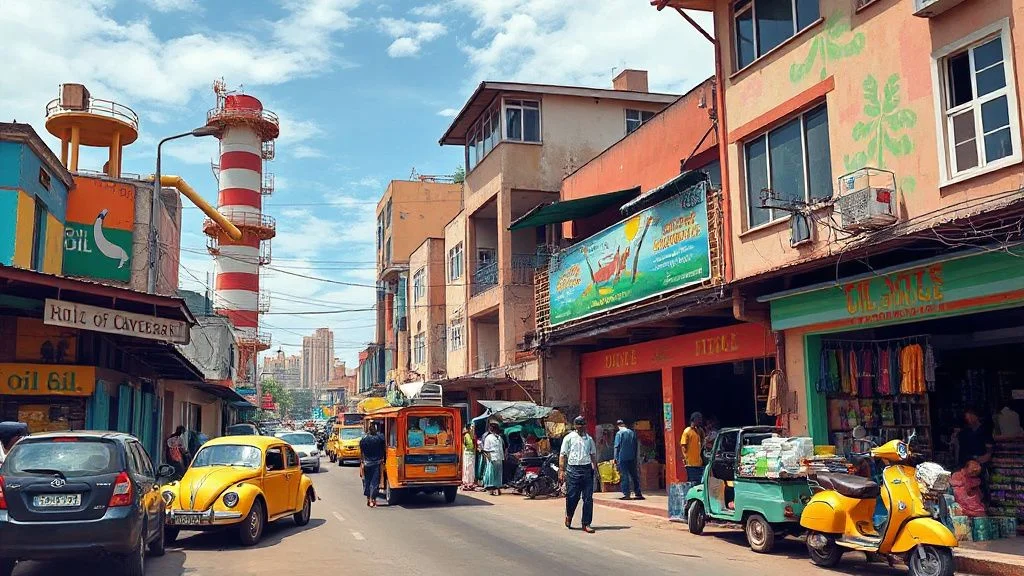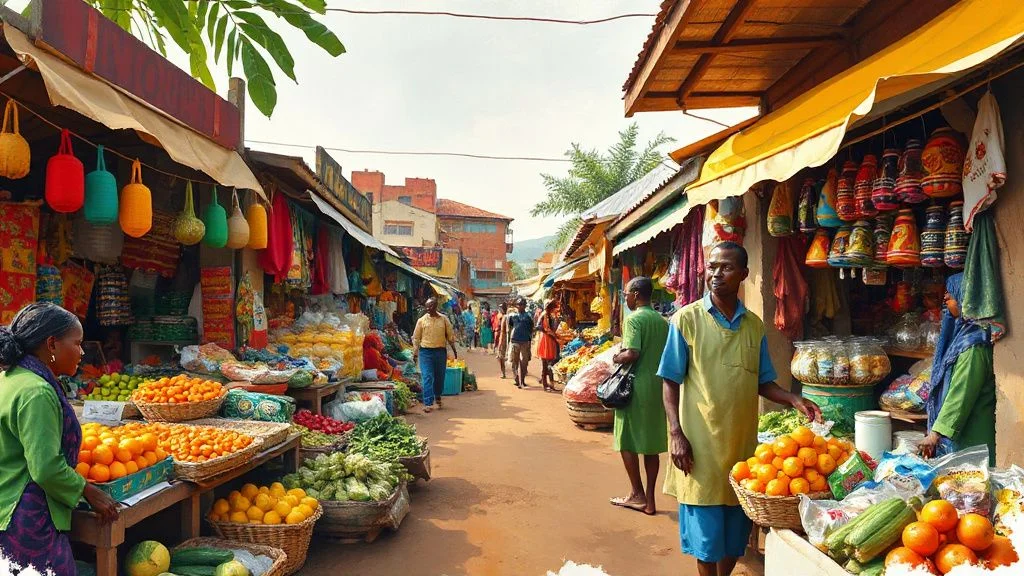
Establishing a good rapport with local market vendors in Nigeria can significantly enhance your shopping experience and help you integrate into the vibrant culture. Understanding the nuances of these relationships is essential for expatriates and returning Nigerians alike. This article explores practical strategies for building rapport with market vendors, the cultural context behind these interactions, and tips to navigate the local market landscape effectively.
What can we help you with?
Three short questions, then just how to reach you. No account needed.
Understanding the Local Market Culture
Nigeria's local markets are bustling hubs of activity, where vendors sell everything from fresh produce to handmade crafts. These markets are not just places for transactions; they are social spaces where community ties are strengthened. Vendors often rely on personal relationships to build customer loyalty. In a culture where trust and familiarity are valued, establishing a rapport can lead to better prices, quality products, and a more enjoyable shopping experience.
For expatriates, understanding the local market culture is crucial. Markets in Nigeria are often characterized by vibrant colors, lively conversations, and a sense of community. Vendors typically greet customers warmly, and a simple smile or greeting can go a long way in establishing a connection. Engaging in small talk about the weather, local events, or even the vendor's family can help break the ice and create a friendly atmosphere.
Effective Communication Strategies
Effective communication is key to building rapport with local vendors. While English is the official language, many vendors may also speak local dialects such as Yoruba, Hausa, or Igbo. Learning a few basic phrases in these languages can demonstrate respect and appreciation for the local culture. Simple greetings like "Bawo ni?" (How are you?) in Yoruba or "Sannu" (Hello) in Hausa can make a positive impression.
Additionally, active listening is essential. Pay attention to what vendors say about their products, and show genuine interest in their stories. This not only helps you learn more about the items you are purchasing but also fosters a deeper connection. Asking questions about how they source their goods or the history behind their crafts can lead to engaging conversations and a stronger bond.
Building Trust Through Consistency
Consistency is a vital component of building trust with local market vendors. Regularly visiting the same vendor can help establish a sense of familiarity and loyalty. When vendors recognize you as a returning customer, they are more likely to offer better prices and high-quality products. This is particularly important in Nigeria, where personal relationships often outweigh transactional interactions.
Consider setting a specific day or time each week to visit your favorite market. This not only helps you build a routine but also signals to vendors that you value their business. Over time, you may find that vendors begin to offer you special deals or reserve specific items for you, further solidifying your relationship.
Respecting Local Customs and Etiquette
Respecting local customs and etiquette is crucial when interacting with market vendors. In Nigeria, bargaining is a common practice in markets. Understanding the art of negotiation can help you navigate this aspect of shopping while maintaining a positive relationship with vendors. Start by offering a price that is lower than what the vendor initially proposes, but be respectful and open to their counter-offers. This back-and-forth can be seen as a friendly exchange rather than a confrontation.
Additionally, it is important to be patient and courteous during these interactions. Vendors may be busy with other customers, and rushing them can create tension. Taking the time to engage in friendly conversation while waiting for your turn shows respect for their time and efforts. Moreover, always thank vendors for their service, regardless of whether you make a purchase. This simple gesture can leave a lasting impression and foster goodwill.
Participating in the Community
Engaging with the local community can further enhance your relationship with market vendors. Many markets host events, festivals, or community gatherings that provide opportunities for expatriates to connect with locals. Participating in these events not only allows you to support local culture but also helps you meet vendors in a more relaxed setting.
For example, during the festive season, markets may organize special sales or cultural displays. Attending these events can give you insights into local traditions and create a shared experience with vendors. Sharing your experiences on social media or recommending vendors to friends can also strengthen your relationship, as it shows that you value their business and are willing to promote their goods.
Practical Tips for Expats
Building rapport with local market vendors requires a blend of cultural understanding, effective communication, and genuine engagement. Here are some practical tips for expatriates looking to establish strong relationships:
- Learn Basic Local Phrases: Familiarize yourself with common greetings and phrases in local languages. This effort can significantly enhance your interactions.
- Visit Regularly: Make it a habit to visit the same vendors consistently. This builds familiarity and trust over time.
- Engage in Small Talk: Take the time to chat with vendors about their products, family, or local events. This shows genuine interest and fosters connection.
- Practice Patience: Be patient during negotiations and interactions. Rushing can create tension and may be perceived as disrespectful.
- Participate in Community Events: Attend local market events and festivals to engage with vendors in a more relaxed environment.
- Express Gratitude: Always thank vendors for their service, regardless of whether you make a purchase. A simple "thank you" can go a long way.
Conclusion
Building rapport with local market vendors in Nigeria is a rewarding endeavor that enhances your shopping experience and deepens your cultural integration. By understanding the local market culture, employing effective communication strategies, and respecting local customs, expatriates can foster meaningful relationships with vendors. Consistency, patience, and community engagement are key elements in this process. Ultimately, these connections not only benefit your shopping experience but also enrich your life in Nigeria.
Last updated: October 2026