Nigeria Independence Day on October 1 marks a significant milestone in the nation’s history, commemorating the country’s independence from British colonial rule in 1960. This day is not just a public holiday; it represents a moment of national pride, cultural expression, and unity for Nigerians both at home and abroad. In this guide, you will learn about the historical context of the celebrations, how they are observed across Nigeria, and practical advice for expatriates and returning Nigerians on how to engage with this vibrant occasion.
What can we help you with?
Three short questions, then just how to reach you. No account needed.
Historical Context of Nigeria Independence Day
The journey toward Nigeria's independence began in the early 20th century, marked by a series of nationalist movements advocating for self-governance. The British colonial administration gradually introduced constitutional reforms, paving the way for increased Nigerian participation in governance. On October 1, 1960, Nigeria officially gained independence, and three years later, it became a republic. This date is now celebrated annually as a reminder of the sacrifices made by the nation's founding fathers and the ongoing efforts toward nation-building.
Independence Day serves as a reflection of Nigeria's rich history and the diverse cultures that contribute to its national identity. The celebration is characterized by a blend of traditional customs, modern festivities, and patriotic displays that resonate with Nigerians of all backgrounds. It is an opportunity for citizens and expatriates alike to participate in cultural activities that honor the nation’s heritage.
How Nigeria Celebrates Independence Day
Official Ceremonies and Parades
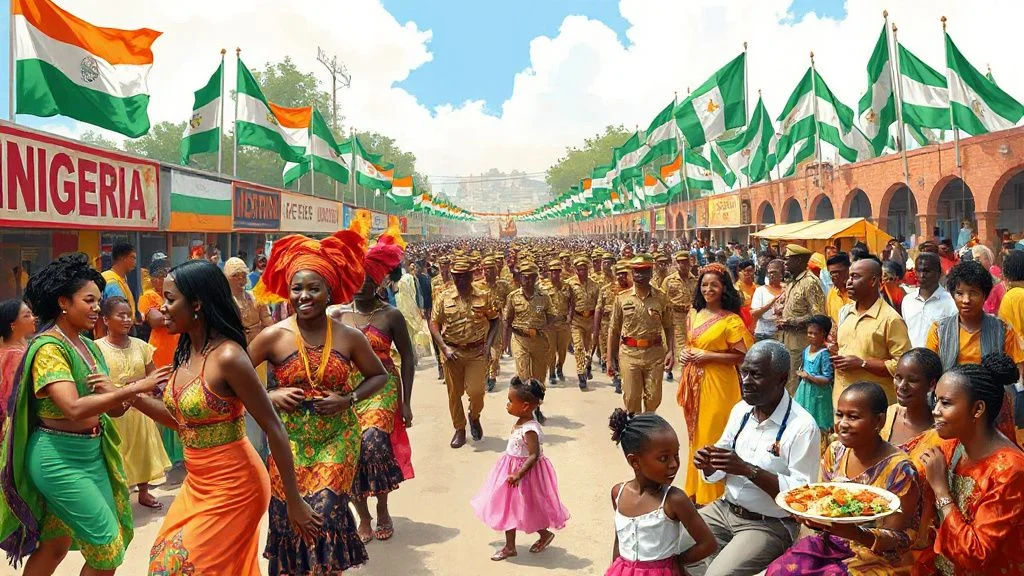
In major cities, especially the capital Abuja, official ceremonies are held to mark Independence Day. These events typically include a military parade, where soldiers display their skills and the nation’s armed forces showcase their capabilities. The President of Nigeria delivers a speech, emphasizing national unity, progress, and the government’s vision for the future. In 2026, as the nation celebrates its 66th anniversary, expect themes focusing on national resilience and development.
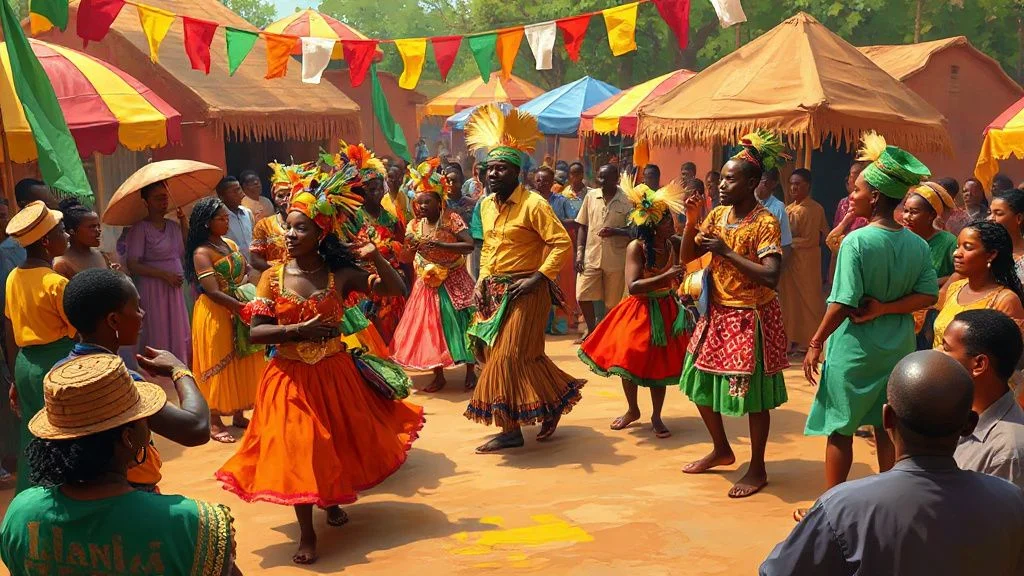
In addition to the official events in Abuja, cities like Lagos and Port Harcourt also host local parades featuring cultural floats, traditional dancers, and music performances that highlight Nigeria’s diverse ethnic groups. These parades are family-friendly and attract large crowds, making them an excellent opportunity for expatriates to immerse themselves in Nigerian culture.
Cultural Activities and Festivals
Beyond the official ceremonies, Nigeria's Independence Day is a time for cultural festivals that celebrate the country’s rich heritage. Each region often hosts unique events that reflect local customs, music, and cuisine. For instance, in Lagos, you might find street fairs showcasing traditional arts and crafts, local cuisines such as jollof rice, pounded yam, and egusi soup, and performances by popular Nigerian artists.
In the northern regions, cultural displays may include traditional attire and music, with Hausa and Fulani influences prominently featured. Similarly, the southwestern states may showcase Yoruba cultural performances, including drumming and dance. These festivals not only celebrate independence but also foster a sense of community among Nigerians and expatriates.
What to Expect During the Celebrations
Public Holidays and Business Operations
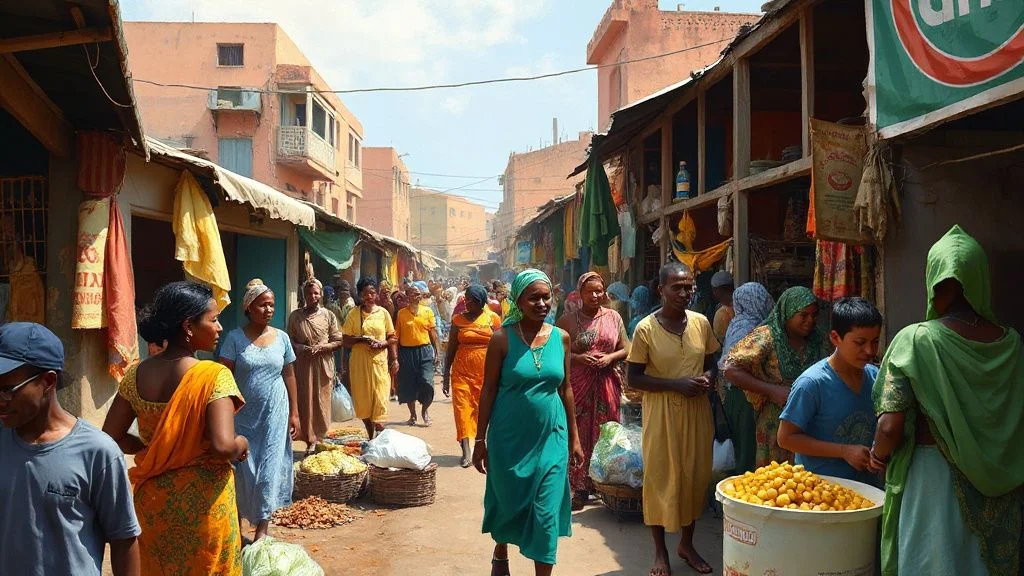
Independence Day is a public holiday in Nigeria, meaning that government offices, banks, and most businesses are closed. However, many local shops and markets remain open, particularly in urban centers where the hustle and bustle continues. Expatriates should plan accordingly, as public transportation may be busier than usual with people traveling to and from events. Expect street celebrations to fill the air with music and dance, creating a vibrant atmosphere.
Attire and Etiquette
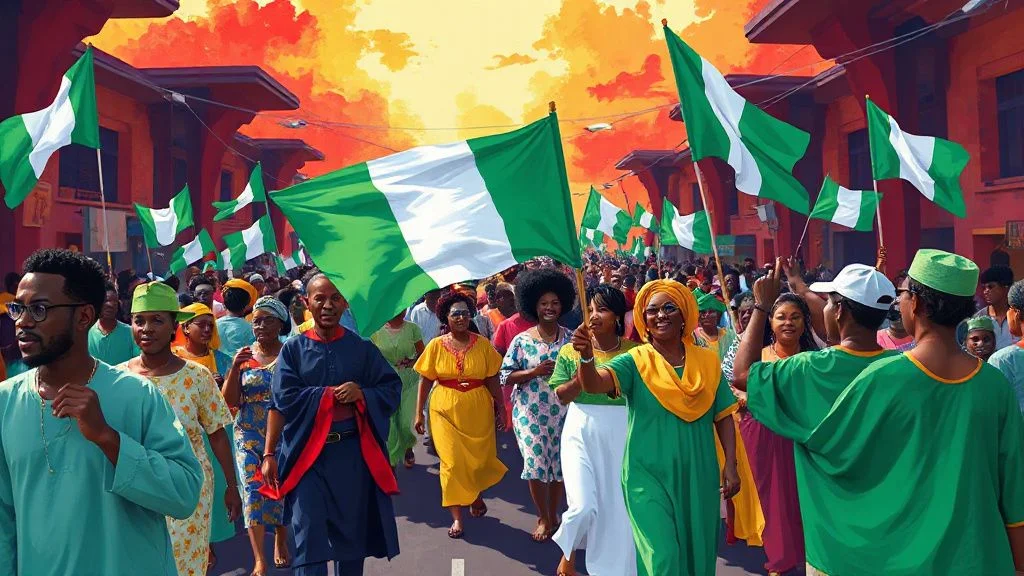
When attending Independence Day events, wearing traditional Nigerian attire is a fantastic way to show respect and appreciation for the culture. Many Nigerians wear clothing in the national colors of green and white, symbolizing the country’s flag. Traditional attire varies by region, so you might see a mix of styles such as the flowing agbada, buba, and gele for women, or the simple but elegant kaftan for men.
Etiquette during the celebrations includes greeting people warmly and engaging in conversations about the significance of the day. It’s common to see Nigerians exchanging pleasantries and sharing stories about their heritage. As an expatriate, showing genuine interest in these traditions can foster goodwill and enhance your experience during the celebrations.
Practical Tips for Expatriates
Participating in Local Events
Expatriates in Nigeria are encouraged to participate in local Independence Day events. Whether attending parades or cultural festivals, these gatherings are an excellent way to meet new people and forge connections within the community. Local expatriate groups often organize gatherings, so check with them for events that may be planned during this time.
For those living in Abuja, consider visiting the Nigerian National Mosque and Nigerian National Christian Centre, where inter-faith services are often held to promote unity among citizens. These services reflect Nigeria’s multicultural and multi-religious society, allowing expatriates to witness the harmony that exists among different faiths.
Supporting Local Businesses
Independence Day festivities present a perfect opportunity to support local businesses. Many artisans and food vendors showcase their products during celebrations. Purchasing handmade crafts or traditional foods not only supports the local economy but also allows you to take home a piece of Nigerian culture. Try to explore local markets and taste the diverse offerings that come with this holiday.
Conclusion
Nigeria Independence Day on October 1 is a vibrant celebration of the nation’s history, cultural diversity, and resilience. For expatriates living in Nigeria, this day offers a unique opportunity to engage with the local community, learn about the rich traditions, and celebrate alongside Nigerians. By participating in the festivities, wearing traditional attire, and supporting local businesses, you can fully embrace the spirit of Independence Day and create lasting memories in your new home.