The Beninese community in Nigeria represents a significant cultural and historical presence, rooted in a shared heritage that transcends modern national boundaries. This article delves into the history, demographic size, cultural contributions, and practical insights for expatriates looking to connect with this vibrant community in Nigeria.
What can we help you with?
Three short questions, then just how to reach you. No account needed.
Historical Context
The history of the Beninese community in Nigeria is intertwined with the broader historical movements within West Africa. Established in the 10th century, various kingdoms in the region were known for their advanced political structures, artistic achievements, and significant trade networks. The cultural legacy of these empires continues to influence the Beninese identity today.
During the transatlantic slave trade, many individuals from the region were forcibly taken from their homeland, contributing to the African diaspora across the Americas and the Caribbean. However, many Beninese also migrated to other regions of West Africa, including Nigeria, leading to the establishment of communities that share linguistic, cultural, and spiritual ties with their homeland. This migration was often driven by the search for better economic opportunities and the need to escape the political turmoil that characterized the colonial period.
Demographics and Community Size
While exact numbers regarding the size of the Beninese community in Nigeria can vary, it is generally acknowledged that there is a notable presence of Beninese individuals in Nigeria, particularly in regions close to the border with Benin. Significant populations can be found in urban centers, where they have established businesses, cultural organizations, and religious institutions that cater to their community's needs.
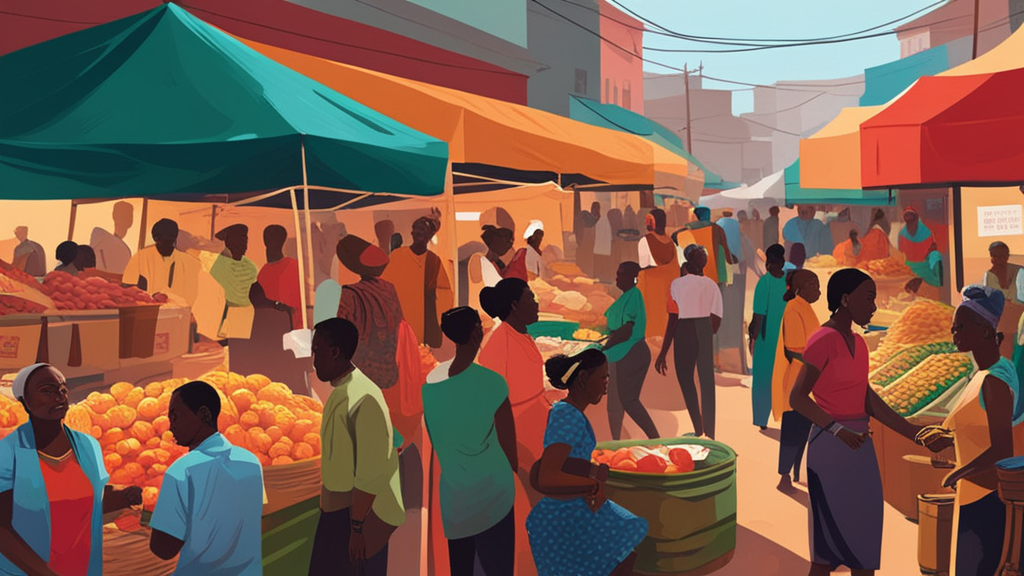
In major cities, the Beninese community is notably active, contributing significantly to the city’s cultural diversity. There are various neighborhoods where Beninese people reside, and local markets often reflect their culinary preferences and craftsmanship. The community's presence is also felt in the thriving art scene, as many Beninese artists and craftsmen showcase their work in galleries and exhibitions across these urban areas.
Cultural Contributions and Traditions
The Beninese community brings a rich tapestry of cultural traditions to Nigeria. Among these are distinct culinary practices, music, dance, and religious beliefs. The culinary practices of the Beninese have found a place in Nigerian gastronomy, often blended with local flavors and ingredients.
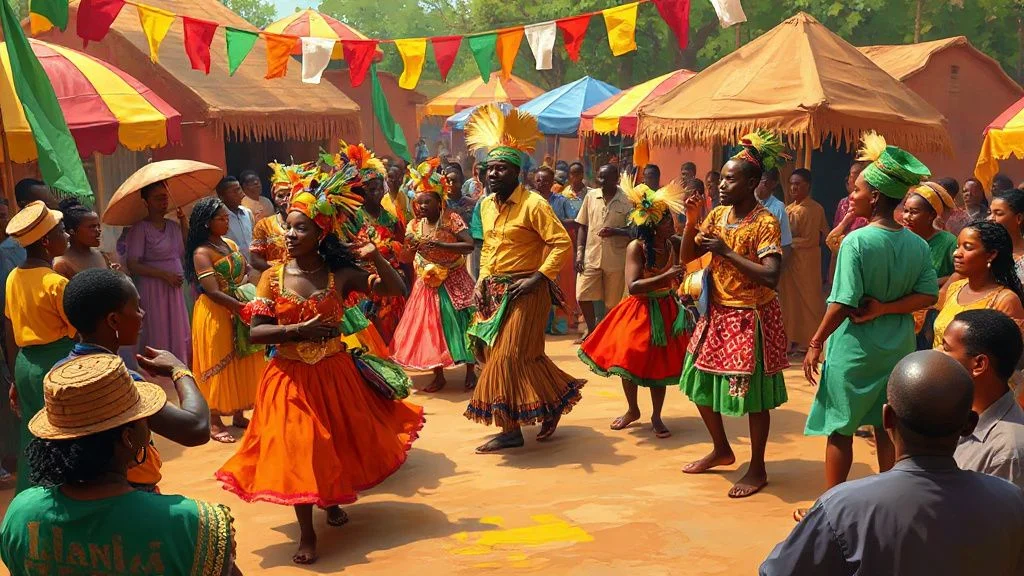
Festivals play a crucial role in the cultural life of the Beninese community. One prominent event is celebrated annually, which honors the spirits of the ancestors and showcases traditional music, dance, and rituals. Expatriates and locals alike can participate in or observe such celebrations, gaining insight into the spiritual beliefs that are integral to the Beninese identity.
Music and Dance
Music and dance are vital components of cultural expression in the Beninese community. Traditional music incorporates various instruments that are often played during community events and celebrations. The rhythmic beats and vibrant melodies not only entertain but also convey stories of heritage and history.
Dance forms, often performed during festivals or community gatherings, symbolize the connection between the living and the spiritual world. Expats are encouraged to attend local performances or festivals to experience these cultural expressions firsthand.
Religious Practices
Religion among the Beninese community is diverse, with many adhering to indigenous beliefs, Christianity, and Islam. A traditional religion with roots in West Africa remains a central aspect of cultural identity for many Beninese. It is often misunderstood outside the community, but it emphasizes respect for ancestors and the spiritual world. Expats should approach conversations about religion with sensitivity and openness, recognizing its significance in the lives of community members.
Practical Tips for Expatriates
For expatriates seeking to connect with the Beninese community in Nigeria, there are several ways to engage meaningfully. Here are some practical tips:
- Visit Cultural Festivals: Participate in local festivals and events that celebrate Beninese culture. This provides an opportunity to experience traditional music, dance, and cuisine while meeting community members.
- Explore Local Markets: Visit markets where Beninese goods are sold, such as traditional crafts or foods. Engage with vendors and learn about their products to foster connections.
- Attend Community Gatherings: Look for community centers or organizations that cater to the Beninese population. Many of these centers offer cultural programs, cooking classes, or language lessons.
- Learn the Language: While English is widely spoken, learning basic greetings in local languages can help build rapport and show respect for the culture.
- Respect Cultural Norms: Understanding and observing local customs and traditions is crucial. For example, be mindful of religious practices and the significance of festivals in the community.
Conclusion
The Beninese community in Nigeria is a testament to the enduring connections between cultures across borders. With a rich history, vibrant traditions, and a growing presence in Nigerian society, this community offers valuable insights into West African heritage. For expatriates, engaging with the Beninese community can enrich their experience in Nigeria, fostering cross-cultural understanding and appreciation.
By embracing the traditions, participating in cultural events, and respecting the nuances of this community, expatriates can forge meaningful connections that enhance their lives in Nigeria.