The Chinese presence in Nigeria has significantly shaped the country’s trade and retail landscape over the past few decades. This article will delve into the historical context of Chinese-Nigerian relations, the contributions of Chinese nationals to Nigeria’s economy, and practical insights for expatriates looking to understand this dynamic market. Through this exploration, readers will gain a comprehensive understanding of the intricate ties that bind these two nations in commerce.
What can we help you with?
Three short questions, then just how to reach you. No account needed.
Historical Context of Chinese-Nigerian Relations
The relationship between China and Nigeria began to solidify in the early 1970s when the People’s Republic of China established diplomatic ties with Nigeria. This marked the beginning of an evolving partnership that has since expanded into various sectors, including trade, investment, and infrastructure development. The influx of Chinese nationals into Nigeria can be traced back to the late 1990s and early 2000s, following China's economic reforms and its drive to invest in Africa.
Early Trade Relations
Initially, Chinese traders focused on high-volume wholesale goods, importing large quantities of consumer products into Nigeria. This strategy allowed them to establish a foothold in the market, significantly impacting local trade dynamics. As Chinese goods became increasingly popular, local merchants began to forge relationships with Chinese manufacturers, creating a complex web of trade that benefited both parties.
However, as of our last update, the landscape began to shift dramatically when Chinese nationals started moving downstream into retail, directly competing with local businesses. This shift caused tensions, as local traders felt threatened by the aggressive pricing strategies employed by Chinese retailers, leading to protests and calls for stricter regulations against foreign competition.
Current Trade Dynamics
Today, the Chinese retail presence in Nigeria spans numerous sectors, including textiles, electronics, and household goods. Chinese-owned shops and markets can be found in major cities like Lagos and Abuja, where they cater to a diverse clientele. These businesses typically offer a wide range of products at competitive prices, often undercutting local vendors who have established their businesses over decades.
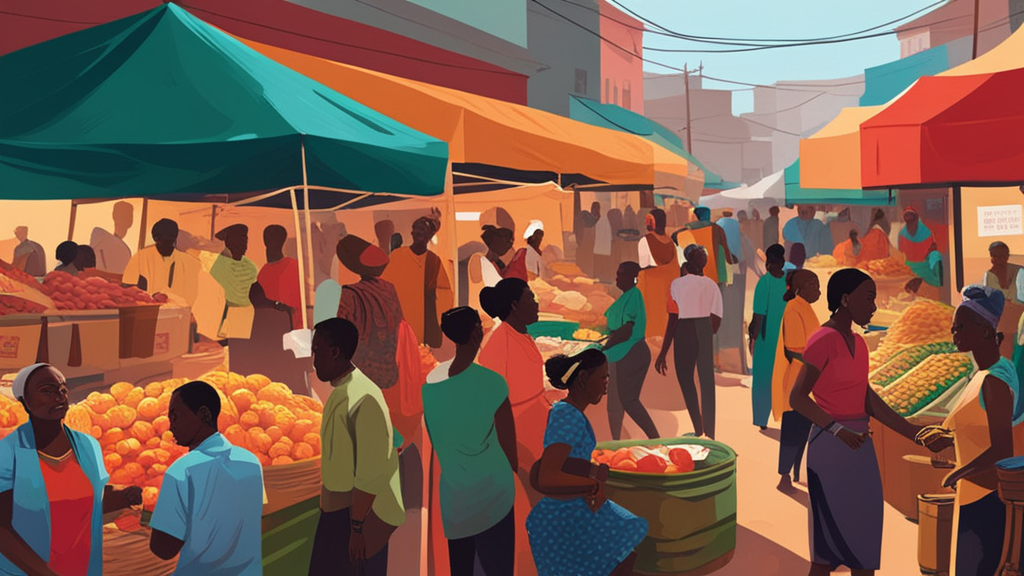
The retail environment in Nigeria is characterized by vibrant markets, where both Chinese and Nigerian traders coexist. This multicultural aspect of trade fosters a unique shopping experience, drawing consumers from various backgrounds. It is not uncommon to see Nigerian consumers bargaining for goods in Chinese-run shops, highlighting the blend of cultures in Nigeria's bustling marketplace.
Impact on Local Economy
The impact of Chinese investment in Nigeria's retail sector extends beyond mere competition. Chinese firms have introduced modern retail practices, contributing to the development of market infrastructure. For instance, many Chinese retailers employ advanced logistics and inventory management systems, which have improved supply chain efficiency.
Job Creation and Economic Growth
Moreover, the presence of Chinese businesses has created numerous job opportunities for Nigerians. Many local workers are employed in various capacities, from entry-level positions to managerial roles. This influx of employment has had a positive effect on Nigeria's economy, contributing to income generation and enhancing the standard of living for many families.
As of our last update, it is estimated that Chinese investments in Nigeria exceed $20 billion, covering various sectors, including manufacturing and construction. These investments not only bolster the retail landscape but also contribute to overall economic growth, fostering a more interconnected business environment.
Challenges and Controversies
Despite the positive contributions, the relationship between Chinese traders and local merchants is not without its challenges. Local traders have raised concerns over unfair competition, alleging that Chinese nationals benefit from government support and access to cheaper goods, thereby undermining their businesses. Many local entrepreneurs struggle to compete with the pricing strategies employed by Chinese retailers, leading to calls for protective measures from the Nigerian government.
Furthermore, the perception of Chinese traders as aggressive competitors has sometimes led to social tensions, particularly in areas where local businesses feel threatened. This situation has prompted discussions about the need for more equitable trade practices and policies that support local entrepreneurs while still attracting foreign investment.
Practical Tips for Expatriates
For expatriates looking to navigate the complexities of the Nigerian retail environment, understanding the dynamics of Chinese-Nigerian trade can be invaluable. Here are some practical tips:
- Research Local Markets: Familiarize yourself with the various markets in Lagos and Abuja, where Chinese retailers operate. Understanding pricing structures and product availability can help you make informed purchasing decisions.
- Build Relationships: Establishing connections with local vendors can enhance your shopping experience. Many traders appreciate the personal touch and may offer better deals to regular customers.
- Be Culturally Sensitive: Navigating the multicultural retail landscape requires an awareness of cultural norms. Engaging politely and respecting local customs can foster positive interactions with both Chinese and Nigerian traders.
- Stay Informed: Keep abreast of developments in trade policies and regulations affecting foreign businesses in Nigeria. This knowledge will empower you to better understand the market dynamics and make strategic decisions.
- Consider Sustainability: As the retail landscape evolves, many consumers are becoming increasingly aware of sustainability issues. Supporting local businesses and ethical practices can contribute to a more sustainable economy.
Conclusion
The Chinese-Nigerian contribution to trade and retail history is a testament to the evolving dynamics of globalization and economic interdependence. As Chinese nationals continue to shape Nigeria's retail landscape, understanding the historical context and current realities can empower expatriates to navigate this vibrant market successfully. By fostering mutual respect and cooperation, both Chinese and Nigerian traders can contribute to a more inclusive and prosperous economic future.
Primary Sources
Last updated: October 2026