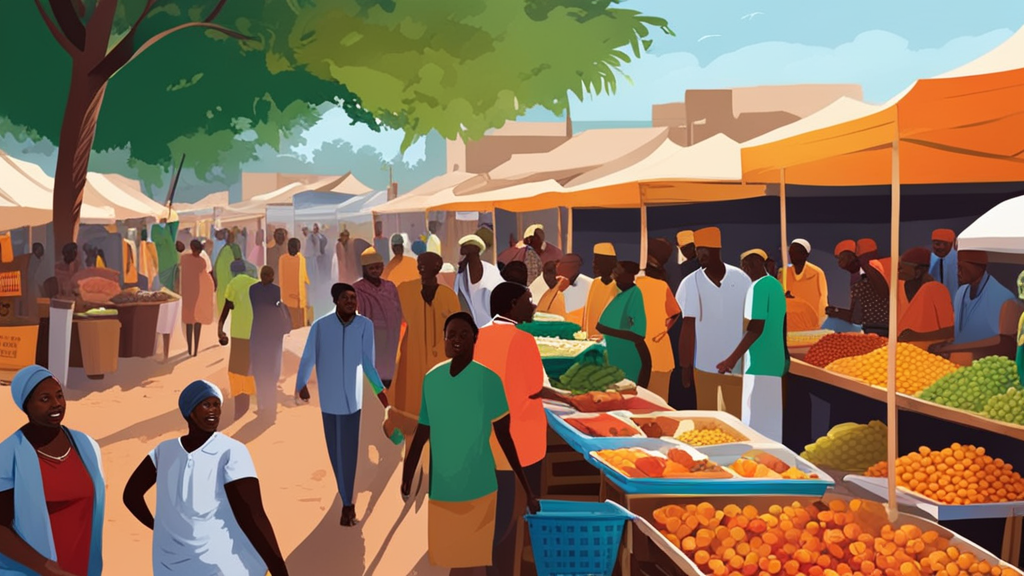
The Igbo language and family names reflect the rich cultural heritage of the Igbo people, one of Nigeria's largest ethnic groups. This article explains the significance of the Igbo language, the customs surrounding family names, and provides practical advice for expatriates living in Nigeria, particularly in regions with a high concentration of Igbo speakers.
What can we help you with?
Three short questions, then just how to reach you. No account needed.
The Igbo Language: A Cultural Cornerstone
The Igbo language, known as "Igbo" or "Ibo," is a member of the Niger-Congo language family. With millions of speakers, it represents a vital aspect of the identity of the Igbo people, who primarily inhabit southeastern Nigeria. The language has over 20 dialects, which can vary significantly across different regions, including Anambra, Imo, Abia, and Enugu states. Despite these variations, the standard Igbo used in literature and education is often based on various dialects.
Historically, the Igbo language served not just as a means of communication but also as a vessel for storytelling, proverbs, and oral traditions. These elements play a crucial role in preserving Igbo culture and values. For instance, proverbs in Igbo often encapsulate wisdom and life lessons, including a well-known saying that reflects the importance of humility and respect for elders.
Igbo Naming Customs: A Reflection of Heritage
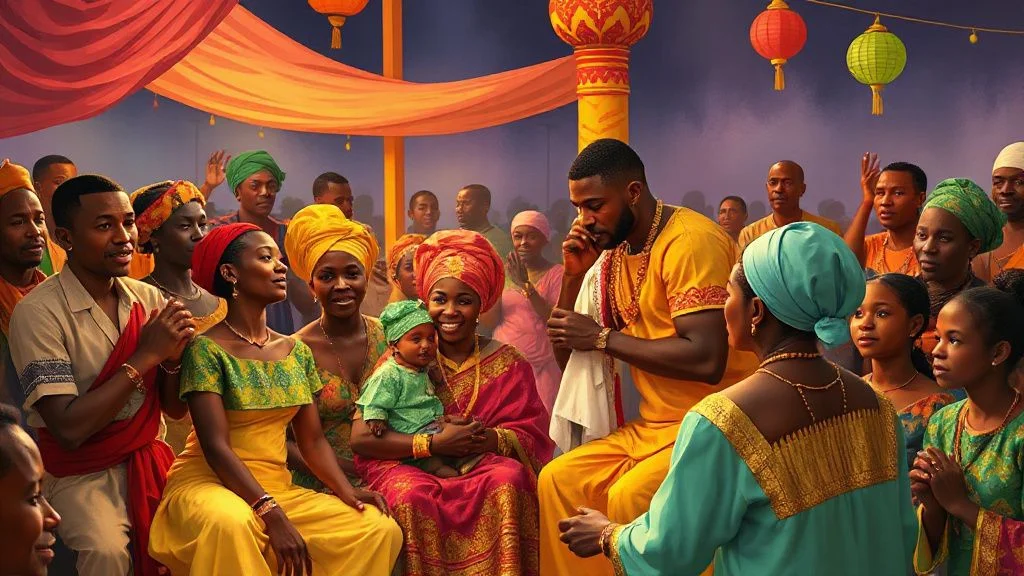
Naming is a significant event in Igbo culture, often celebrated with elaborate ceremonies. Igbo names typically carry profound meanings, reflecting personal, familial, or ancestral connections. The naming ceremony is an important cultural event where family members gather to bless the child and bestow names that often signify hope, gratitude, or cultural pride.
In addition to first names, family names in Igbo culture are deeply significant. They often indicate lineage and ancestral connections. For example, the prefix "Ndi" in names such as "Ndi Igbo" means "people of," and reflects communal identity. Family names often signify the father's name or a notable ancestor, reinforcing the importance of family lineage.
Common Igbo Family Names
Some common Igbo family names include:
- Okeke: This name is associated with strength and resilience.
- Uche: Signifying "intelligence" or "wisdom," this name is often given to reflect the family's value on knowledge.
- Obi: Meaning "heart," this name can also refer to the family’s ancestral home or lineage.
Understanding these names and their meanings can enhance your connection to the Igbo community and enrich your experience in Nigeria.
Historical Context and Social Dynamics
The Igbo people have a rich history that includes a complex social structure, characterized by democratic governance and communal decision-making. Traditionally, Igbo society is organized around clans and extended families, with elders playing a crucial role in leadership. The impact of colonialism in the 19th and 20th centuries altered social dynamics, but many traditional practices have persisted.
During the Nigerian Civil War (1967-1970), the Igbo people faced significant hardships. This conflict profoundly affected the community's identity and migration patterns, leading to a diaspora in various parts of the world. Many Igbo families now reside outside Nigeria, particularly in the UK, the USA, and Canada, where they strive to maintain their cultural heritage while integrating into new environments.
Festivals Celebrating Igbo Heritage
One of the most significant festivals in Igbo culture is the "New Yam Festival," which marks the end of the harvest season and is a time for thanksgiving and communal feasting. During the festival, families wear traditional attire, and the first yam of the season is offered to the ancestors in a ritual of gratitude. The festival serves not only to celebrate agriculture but also to reinforce family and community bonds.
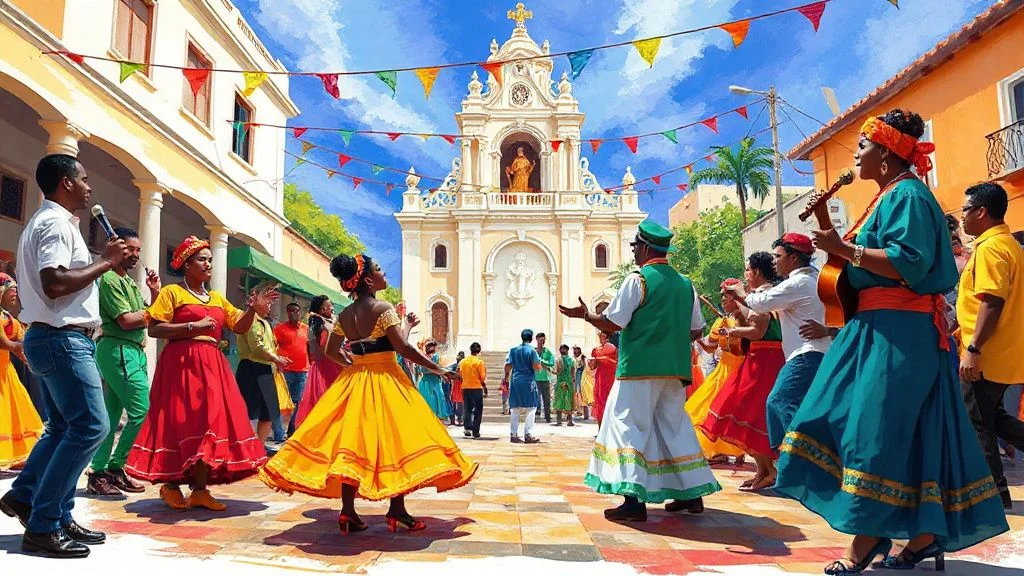
Another important festival honors bravery and strength and features traditional dances, music, and various sporting activities. Participating in these festivals can provide expatriates with a deeper understanding of Igbo traditions and strengthen community ties.
What Expats Should Know
For expatriates living in Nigeria, particularly in Igbo-speaking areas, familiarizing yourself with the language and naming customs can significantly enhance social interactions. Here are some practical tips:
- Learn Basic Igbo Phrases: Familiarize yourself with common phrases such as "Kedu?" (How are you?) and "Daalụ" (Thank you). Even a basic understanding of the language can foster goodwill among locals.
- Participate in Naming Ceremonies: If invited to an Igbo naming ceremony, attend with respect and bring a small gift for the family. This will demonstrate your appreciation for their culture.
- Respect Naming Traditions: When addressing someone, use their full name if known, as this demonstrates respect for their heritage. If unsure, politely ask how to address them.
- Engage in Community Events: Attend local festivals and community gatherings to immerse yourself in the culture. This can provide valuable networking opportunities and deepen your understanding of Igbo customs.
Conclusion
The Igbo language and family names are not merely forms of communication or identifiers; they are integral to the cultural identity of the Igbo people. Understanding these elements allows expatriates to build meaningful relationships and navigate social settings with greater ease. By embracing the rich heritage of the Igbo language, naming customs, and community events, expatriates can enrich their experience in Nigeria, fostering connections that transcend cultural boundaries.
Primary Sources
Last updated: October 2026