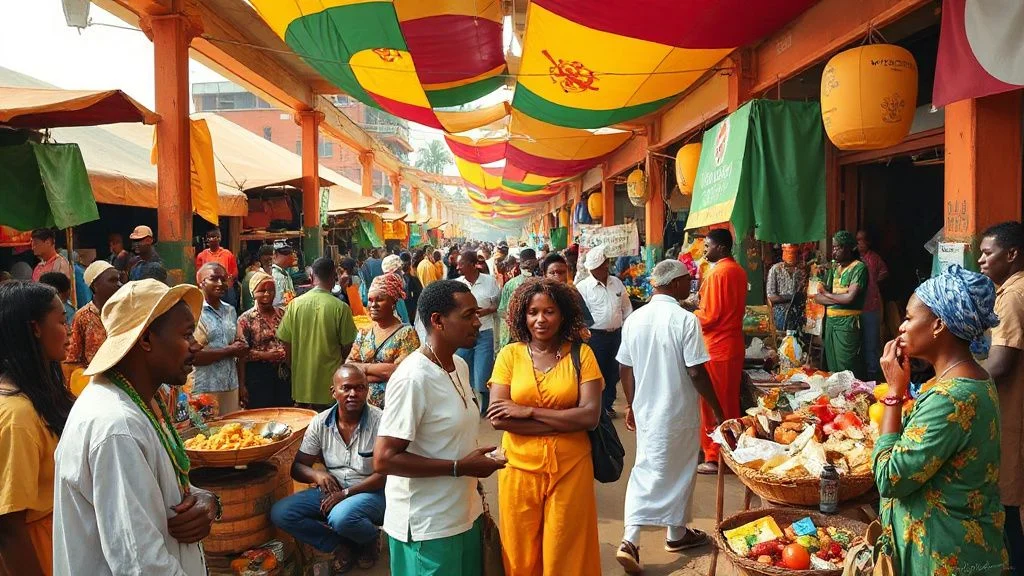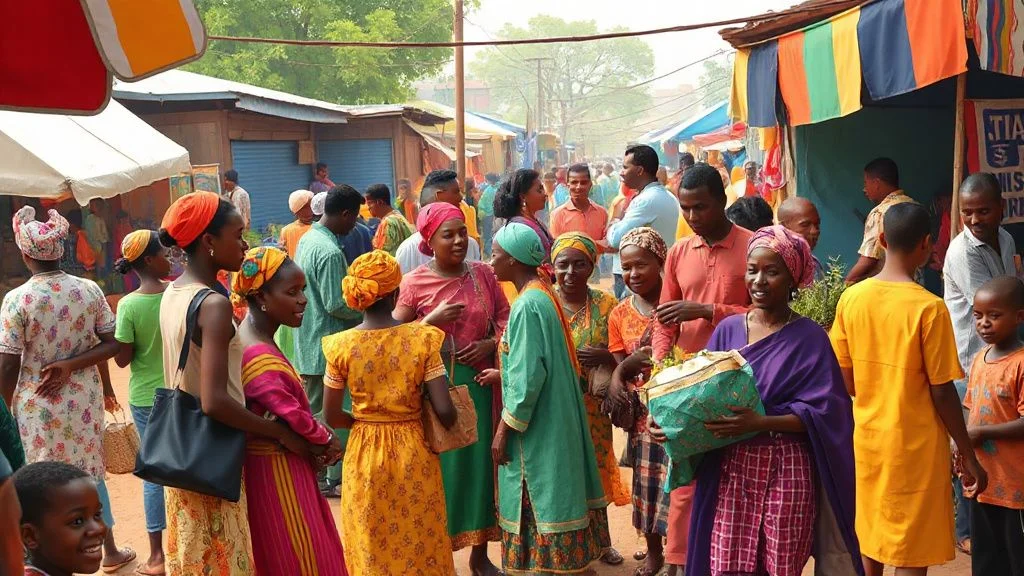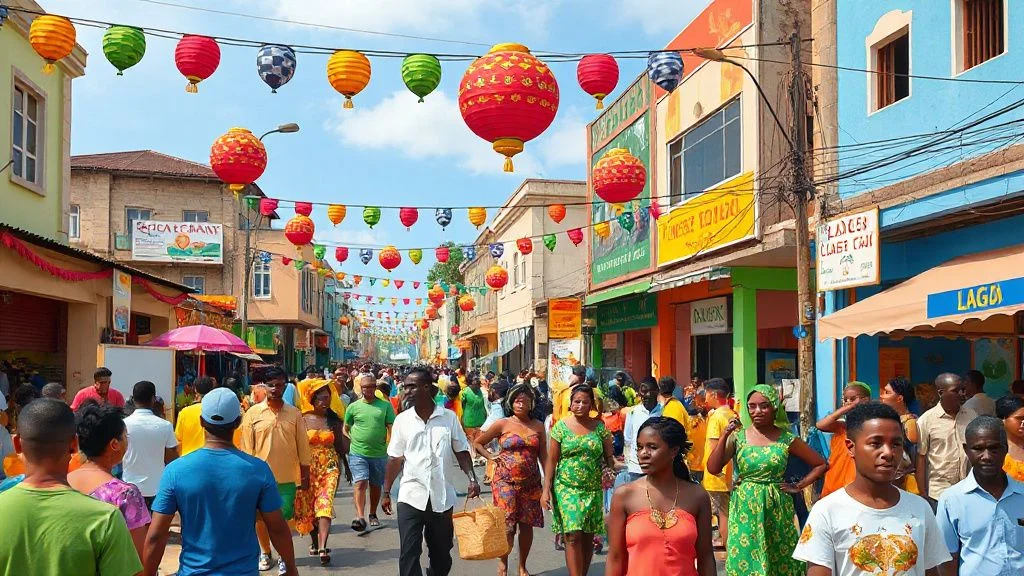
Brazilian culture has left a significant imprint on Lagos, especially in the Popo Aguda area, also known as the Brazilian Quarter. This unique cultural enclave reflects the history and traditions of Afro-Brazilian returnees who settled in Nigeria. In this article, we delve into the role of Brazilian churches in Lagos, the community's cultural practices, and what expatriates need to know to engage with this vibrant culture.
What can we help you with?
Three short questions, then just how to reach you. No account needed.
Historical Context: The Afro-Brazilian Legacy
The arrival of Afro-Brazilian returnees in Lagos dates back to the 19th century when individuals of Nigerian descent were liberated from slavery in Brazil and returned to their homeland. This influx significantly influenced the religious, architectural, and cultural landscape of Lagos. The Brazilian Quarter, Popo Aguda, became a hub for these returnees, where they established a community that retained many aspects of Brazilian culture.
These returnees brought with them their Catholic faith, which was deeply intertwined with their identity. The establishment of churches and religious institutions served as a focal point for the community, helping them to maintain their cultural practices while integrating into Nigerian society. Today, several prominent churches in Lagos continue to serve the Afro-Brazilian community, offering a blend of Catholic rituals and local traditions.
Brazilian Churches in Lagos
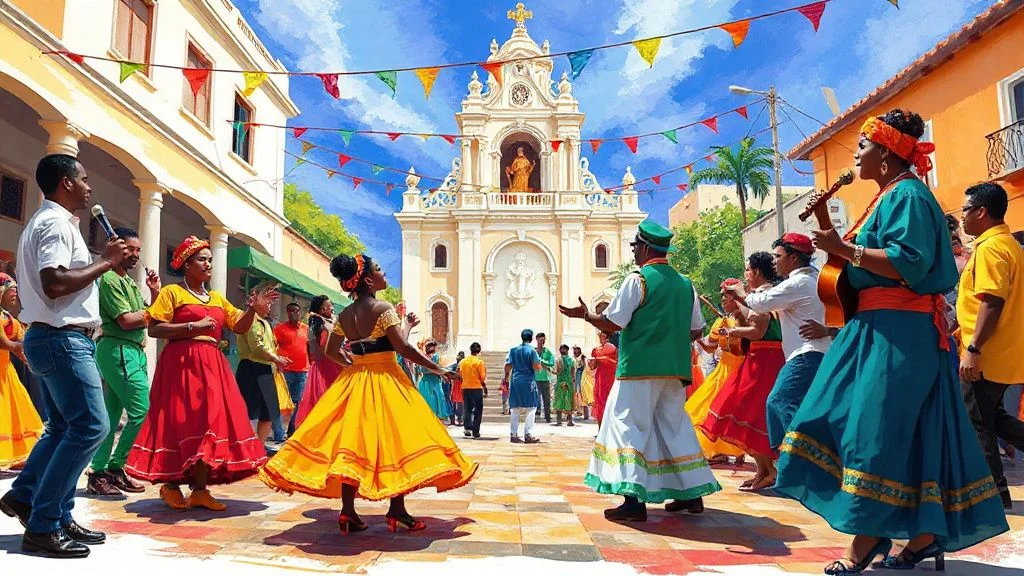
One of the most notable churches in the Popo Aguda area showcases a unique architectural style that reflects both Brazilian and Nigerian influences. This church not only serves as a place of worship but also acts as a community center for various cultural events. The church accommodates the diverse linguistic backgrounds of its congregation.
Another significant institution is a Catholic church in the area that has been a cornerstone for the Brazilian community. This church organizes various events throughout the year, including traditional festivals that celebrate both Nigerian and Brazilian heritage. These events often feature music, dance, and food, creating a vibrant atmosphere for worship and community bonding.
Religious Practices and Community Involvement
The Afro-Brazilian churches in Lagos not only focus on religious services but also emphasize community involvement. They host various charitable events, providing support to local residents, regardless of their background. This spirit of inclusivity is reflective of the broader cultural ethos within the Afro-Brazilian community.
For expatriates, engaging with these churches can provide a profound understanding of the cultural dynamics at play. Joining in community events or attending Mass can be an enriching experience that fosters connections with locals and other expatriates alike. It's advisable to dress modestly when attending church services, respecting the local customs and traditions.
Cultural Festivals and Events
Several festivals throughout the year celebrate the rich cultural tapestry of the Afro-Brazilian community in Lagos. One of the most significant festivals is characterized by colorful processions, traditional music, and dance, showcasing the unique blend of Brazilian and Nigerian traditions.
During this festival, attendees often wear traditional attire, and local foods are served, allowing expatriates to experience the rich culinary heritage of the community. The festival is not only a religious observance but also an opportunity for cultural exchange, where individuals from various backgrounds can come together to celebrate.
Other Cultural Activities
In addition to religious festivals, the Brazilian community in Lagos participates in various cultural activities, such as dance classes, art exhibitions, and culinary events. These activities often take place at community centers within the Popo Aguda area, providing expatriates with opportunities to learn about Afro-Brazilian art forms and culinary traditions.
For instance, participating in a samba dance class or attending a capoeira demonstration can offer insights into the vibrant cultural expressions of the community. These activities often welcome newcomers and provide a platform for building friendships and networks.
Practical Tips for Expatriates
For expatriates looking to immerse themselves in the Brazilian culture of Lagos, here are some practical tips:
- Language: While English is widely spoken, learning basic Portuguese phrases can enhance your experience and interactions within the community.
- Dress Code: When attending church services or community events, opt for modest and respectful attire. Traditional clothing can be a beautiful way to engage with the culture.
- Engagement: Actively participate in community events and festivals. This involvement fosters connections and a deeper understanding of the culture.
- Local Cuisine: Explore local eateries that serve Afro-Brazilian dishes. Trying traditional foods can be a delightful culinary adventure.
Conclusion
The Brazilian churches and cultural life in Lagos offer a fascinating glimpse into the rich heritage of Afro-Brazilian returnees. Through their churches, festivals, and community activities, they maintain a vibrant cultural identity that is both distinct and integrated within the larger Nigerian society. For expatriates, engaging with this community can lead to meaningful connections and a deeper appreciation of Nigeria’s multicultural tapestry. By participating in religious services, cultural events, and local traditions, you can enrich your experience in Lagos and contribute to the enduring legacy of the Brazilian community.
Primary Sources
Last updated: October 2026