Nigeria's diverse culture is rich in customs and traditions, making it vital for expatriates to understand local body language etiquette and greetings. This guide offers practical advice on navigating social interactions, ensuring you respect cultural norms while building relationships in Nigeria.
What can we help you with?
Three short questions, then just how to reach you. No account needed.
Understanding Nigerian Body Language
Nigerians communicate not only through words but also through gestures, facial expressions, and posture. Body language plays a crucial role in conveying respect, emotion, and intention. For instance, maintaining direct eye contact is a sign of respect and attentiveness, particularly in formal settings. However, some individuals, especially elders or higher-ranking individuals, may slightly avert their gaze as a sign of deference.
Another important aspect is the use of the right hand. In Nigeria, the right hand is considered clean and is traditionally used for greetings, handing over items, or eating. Using the left hand can be seen as disrespectful. This cultural practice stems from historical beliefs about cleanliness and purity, influencing day-to-day interactions. For example, when receiving a gift or money, ensure you use your right hand to show appreciation and respect.
Common Greetings and Their Significance
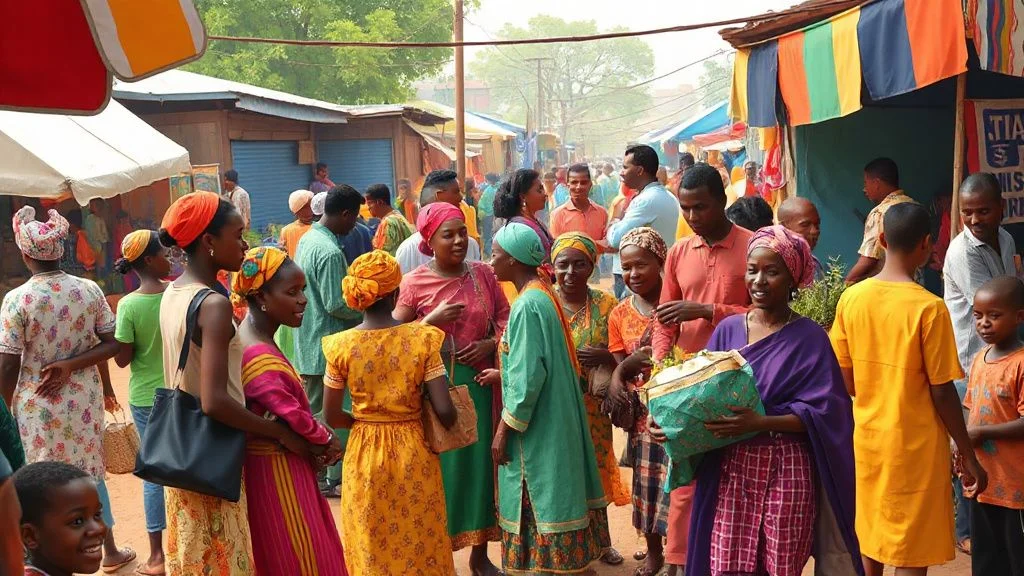
Greetings are a fundamental part of Nigerian culture and vary widely across different regions and ethnic groups. In many cases, a simple "Good morning" or "Good afternoon" is appreciated. However, it's customary to greet elders or those in authority first, demonstrating respect for their status. In Yoruba culture, for example, younger individuals will often kneel or prostrate when greeting elders, which reflects deep-rooted respect and honor.
In the Hausa culture, greetings can be more elaborate, often involving inquiries about health and family. A typical greeting might start with "Sannu" (Hello), followed by "Lafiya?" (How are you?). Engaging in such detailed greetings can foster goodwill and warm relationships. As an expat, taking the time to learn a few local phrases can make a significant difference in how you are perceived.
Dos and Don'ts of Greetings in Nigeria
Dos
- Do use polite titles: Addressing individuals with titles such as "Sir," "Ma," "Chief," or even familial terms like "Aunty" and "Uncle" is a common practice that signifies respect.
- Do greet elders first: In group settings, always direct your greetings to older individuals before others. This shows your understanding of hierarchical structures.
- Do smile and be expressive: Nigerians are generally warm and welcoming. A genuine smile can help break the ice and make interactions smoother.
- Do inquire about well-being: Asking about someone's health or family is customary and demonstrates care. Follow up with phrases like "How is your family?" or "How have you been?"
Don'ts
- Don't rush greetings: Taking your time when greeting is essential. Quick or dismissive greetings may be interpreted as disrespectful.
- Don't use your left hand: Avoid using your left hand for greetings or when handing over gifts, as it is considered impolite.
- Don't interrupt: Allow the person you are greeting to finish their response or story before moving on. Interruptions can be viewed as a lack of interest.
- Don't avoid eye contact: While it’s respectful to look down when addressing elders, maintaining eye contact is vital. Avoid looking away entirely, as it may signal disinterest or dishonesty.
Festivals and Celebrations: Understanding Local Etiquette
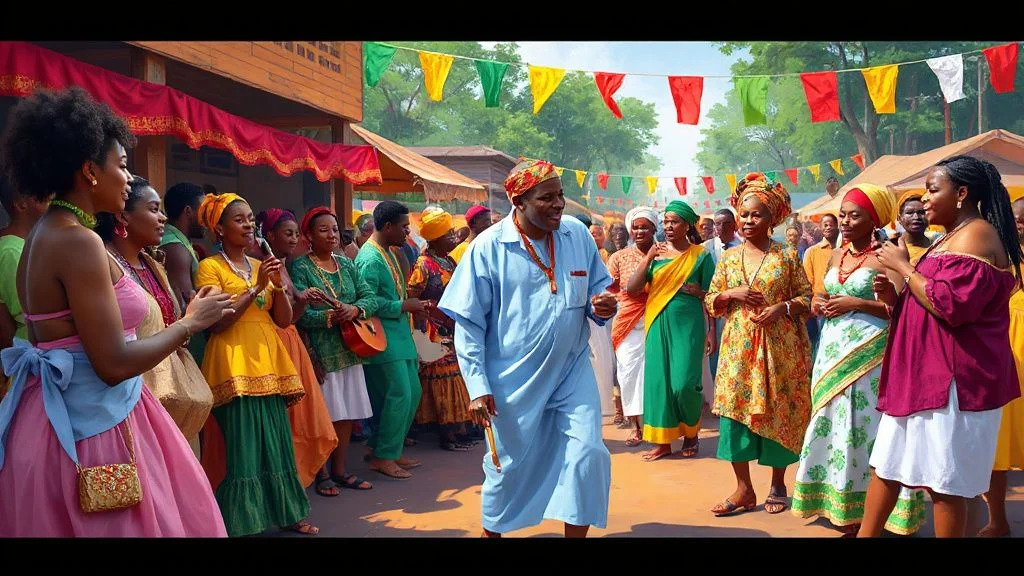
Nigeria is home to numerous festivals and celebrations that reflect its cultural diversity. Participating in these events can provide valuable insights into local customs and enhance your understanding of body language and etiquette. For instance, during the popular Osun-Osogbo Festival in Osun State, attendees are expected to dress modestly and respectfully. Traditional attire is encouraged, and engaging respectfully with elders and community leaders is paramount.
At weddings, which are typically large and festive, guests are often expected to arrive a bit later than the stated time. As an expat, it's acceptable to arrive on time, but you should be prepared for a lengthy celebration. Complimenting the food, participating in dances, and respecting the couple's traditions are essential. Nigerian weddings often include money spraying, where guests pin money on the couple, symbolizing support and goodwill.
Practical Tips for Expats in Nigeria
To navigate Nigerian body language and etiquette successfully, consider the following tips:
- Learn the basics of local languages: While English is widely spoken, picking up a few phrases in local languages such as Yoruba, Igbo, or Hausa can help you connect better. Simple greetings or phrases can go a long way in fostering relationships.
- Be aware of cultural differences: Understanding that time is viewed differently in Nigeria is essential. While punctuality is important in some cultures, social functions may have more flexible timelines.
- Participate actively: Engage in conversations, ask questions, and show genuine interest in local customs. This openness often leads to deeper connections and friendships.
- Observe and adapt: Pay attention to how others interact and mirror their body language and gestures, if appropriate. This can help you fit in and be perceived positively.
Conclusion
Navigating body language and greetings in Nigeria requires an appreciation for cultural nuances and respect for local traditions. By understanding the significance of greetings, practicing proper etiquette, and engaging warmly with others, expatriates can foster positive relationships and integrate smoothly into Nigerian society. Remember, being respectful and open to learning will enhance your experience and help you build lasting connections.