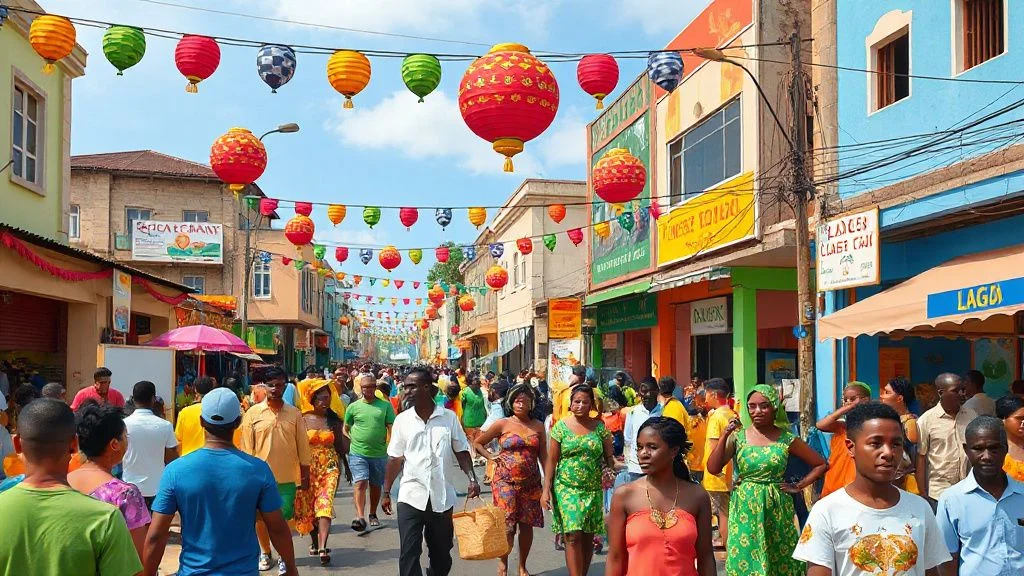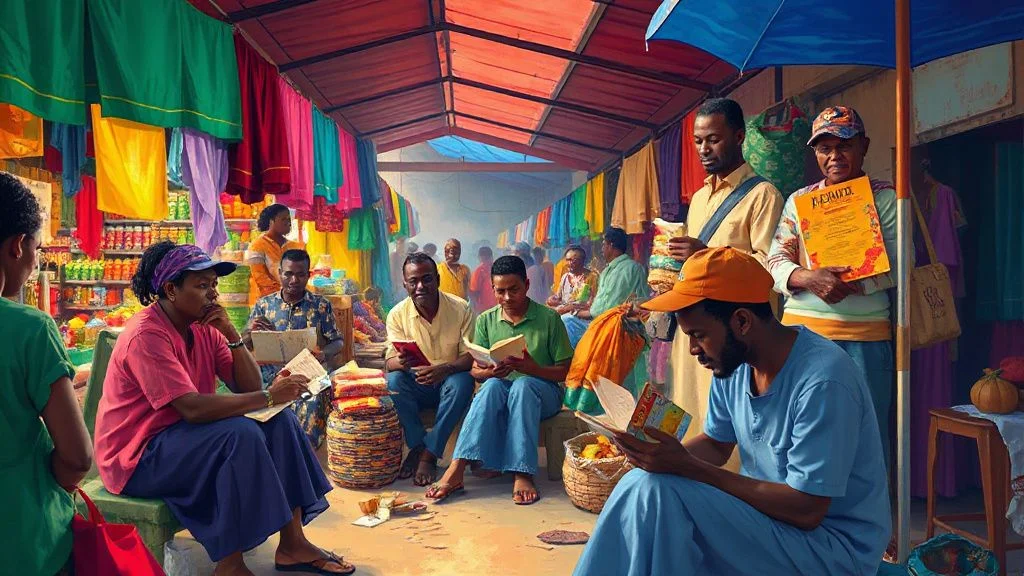
Nigerian literature is a tapestry woven from the rich cultural, historical, and social fabric of the nation. It encompasses a wide range of voices and narratives, reflecting the experiences and struggles of its people. This article will introduce you to noteworthy Nigerian writers and their contributions, explore different literary genres, and offer practical insights for expatriates interested in immersing themselves in Nigeria's literary scene.
What can we help you with?
Three short questions, then just how to reach you. No account needed.
The Historical Context of Nigerian Literature
Nigerian literature can be traced back to pre-colonial oral traditions, which were characterized by storytelling, proverbs, and poetry. The arrival of British colonial rule in the 19th century marked a significant turning point, as Western literary forms began to influence local writers. The first significant work published in English was *Things Fall Apart* by Chinua Achebe in 1958, which set the stage for modern Nigerian literature.
Following Nigeria's independence in 1960, literature emerged as a powerful tool for expression and critique, addressing issues such as colonialism, identity, and governance. The diversity of Nigeria's ethnic groups and languages also contributes to a rich literary tradition, with significant works produced in Yoruba, Igbo, and Hausa, among others.
Key Writers and Their Contributions
Chinua Achebe: The Pioneer of Nigerian Literature
Chinua Achebe is often regarded as the father of African literature in English. His novel *Things Fall Apart* has sold over 10 million copies and has been translated into more than 50 languages. Achebe's works explore themes of colonialism, cultural conflict, and the complexities of modern African identity. His writing style blends traditional African storytelling with Western literary forms, creating a unique voice that resonates with readers globally.
Achebe's impact is not limited to his novels; he has also written essays and critiques that provide insight into the socio-political landscape of Nigeria. His 1975 essay, "The Trouble with Nigeria," remains a critical examination of the country's challenges, including corruption and leadership failures.
Wole Soyinka: The Voice of Dissent
Wole Soyinka, the first African laureate to win the Nobel Prize in Literature in 1986, is another monumental figure in Nigerian literature. His works, including plays like *Death and the King's Horseman* and *The Lion and the Jewel*, reflect the intersection of traditional Yoruba culture and contemporary issues. Soyinka's writing often critiques the oppressive political regimes in Nigeria, making him a prominent voice in the fight for human rights and freedom of expression.
Beyond literature, Soyinka is an activist who has faced imprisonment for his political beliefs. His courage to speak against tyranny makes him a role model for aspiring writers and activists alike.
Chimamanda Ngozi Adichie: The Modern Narrative
Chimamanda Ngozi Adichie is one of the most significant contemporary voices in Nigerian literature. Her novels, such as *Half of a Yellow Sun* and *Americanah*, explore themes of identity, feminism, and the immigrant experience. Adichie's work resonates with both Nigerian and international audiences, often addressing the diaspora's challenges and the complexities of navigating multiple identities.
Adichie's TED Talk, "We Should All Be Feminists," has sparked global conversations about gender equality and is a testament to her influence beyond literature. She encourages readers to embrace their narratives and advocate for social change, making her an essential figure for expatriates looking to understand Nigerian society.
Genres and Themes in Nigerian Literature
Poetry: A Rich Tradition
Poetry in Nigeria holds a revered place in literary culture, with both traditional forms and modern expressions. Poets explore themes of love, loss, and social justice, often drawing from their personal experiences and cultural backgrounds. Collections of poetry reflect on the environment and human existence, showcasing the connection between nature and society.
For expatriates, engaging with Nigerian poetry can provide profound insights into the nation's psyche, as it often encapsulates the essence of Nigerian life, struggles, and triumphs.
Drama and Theatre: A Platform for Social Reflection
Nigerian theatre has a vibrant history, often serving as a platform for social commentary. Playwrights use drama to explore societal issues, politics, and the human condition. Various theatre festivals showcase both established and emerging playwrights, offering expatriates a chance to experience live performances that reflect contemporary Nigerian society.
Attending a play or performance can be a unique way for expatriates to immerse themselves in Nigerian culture while gaining a deeper understanding of the societal issues at play.
Practical Tips for Expats: Engaging with Nigerian Literature
Explore Local Bookstores and Libraries
For expatriates in Nigeria, visiting local bookstores and libraries can be an enriching experience. Many cities, including Lagos and Abuja, boast independent bookstores that showcase Nigerian authors alongside international works. Seeking out literature by local writers can deepen your appreciation for the culture and history of Nigeria.
Participating in book clubs can also provide opportunities to connect with fellow literature enthusiasts, allowing for discussions about themes, cultural contexts, and personal reflections on readings.
Attend Literary Festivals and Events
Nigeria hosts several literary festivals throughout the year, featuring workshops, panel discussions, and book signings, offering expatriates a chance to meet authors and engage with the literary community.
Attending these festivals not only enhances your understanding of Nigerian literature but also helps you connect with like-minded individuals who share your passion for reading and writing.
Conclusion
Nigerian literature is a rich and diverse field that reflects the complexities of the country's history, culture, and social issues. By familiarizing yourself with key writers like Chinua Achebe, Wole Soyinka, and Chimamanda Ngozi Adichie, you gain valuable insights into the Nigerian experience. Engaging with various genres, attending literary events, and exploring local bookstores can enhance your understanding and appreciation of Nigeria's vibrant literary landscape. Whether you are a seasoned reader or new to Nigerian literature, there is always something new to discover and learn.
Primary Sources
Last updated: October 2026