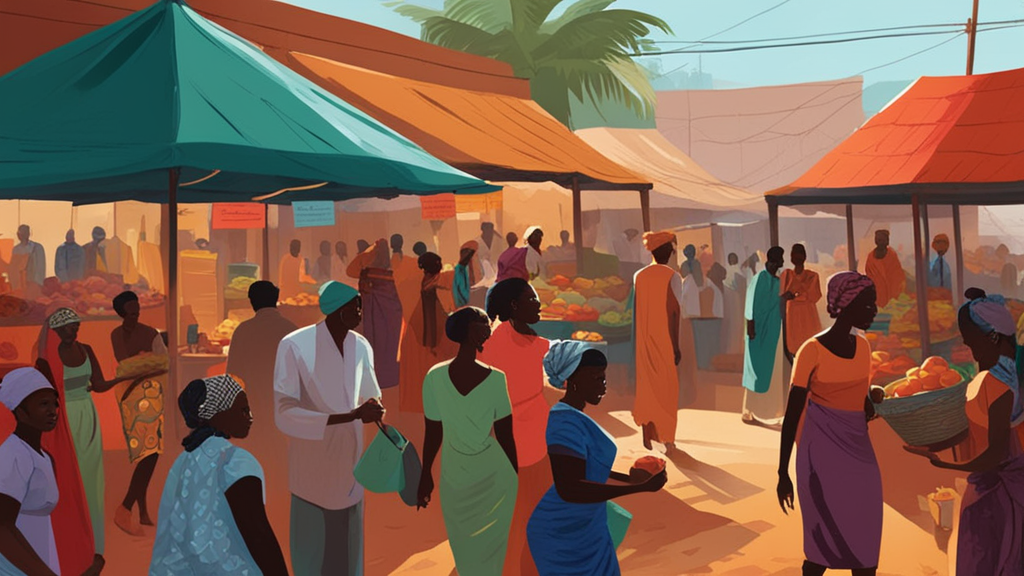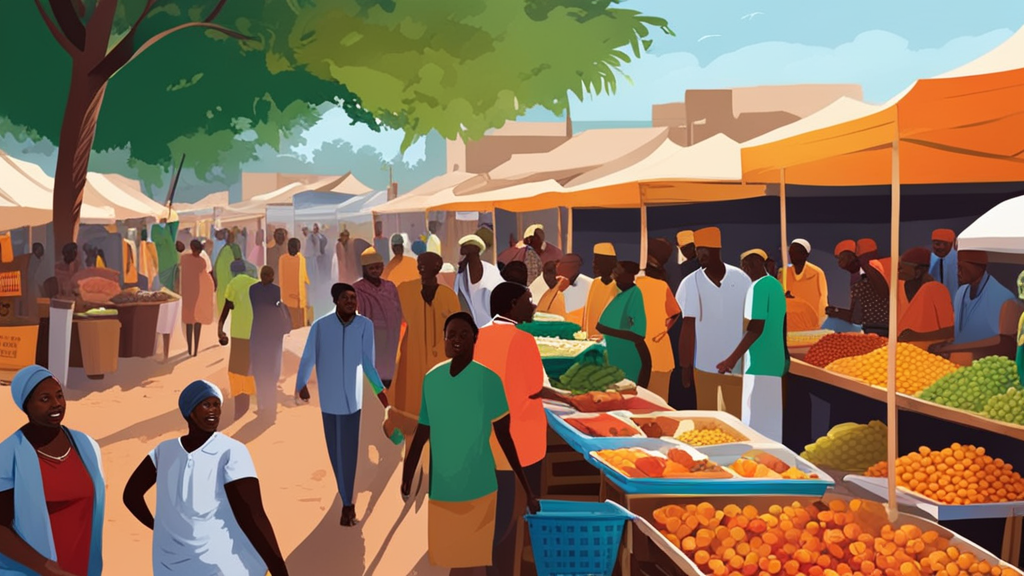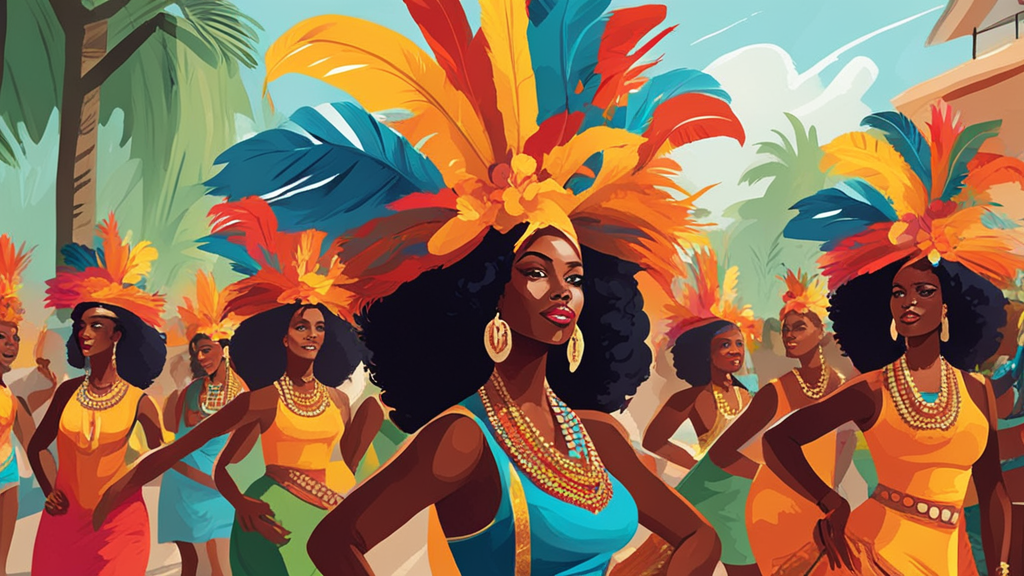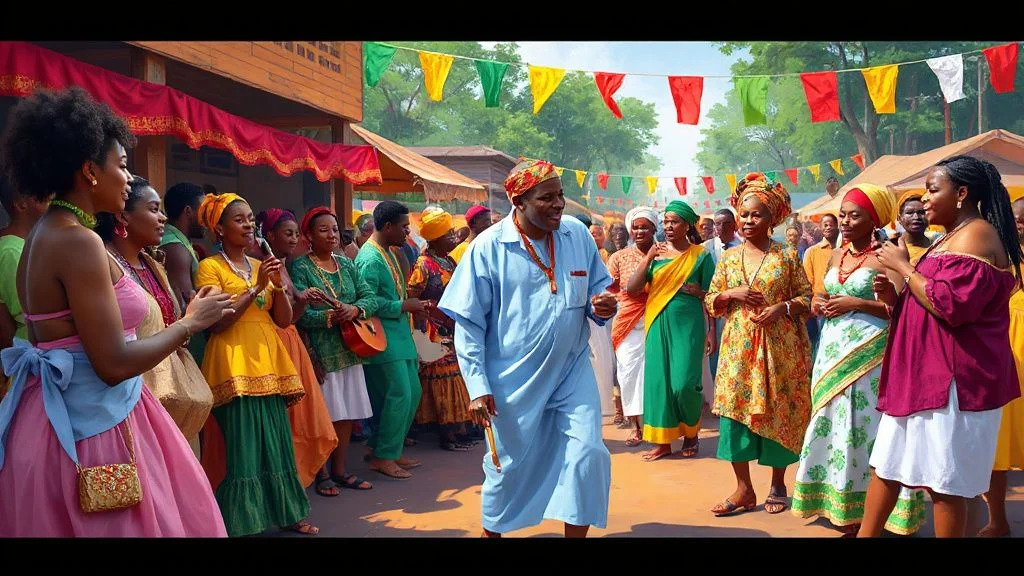
Nigeria's rich tapestry of ethnic diversity forms the bedrock of its national identity. With over 250 ethnic groups, each with its unique customs, languages, and traditions, understanding what it means to be Nigerian is a journey through history, culture, and social dynamics. This article delves into the various ethnic groups that contribute to Nigeria's identity, their historical contexts, cultural practices, and the challenges and opportunities that arise from such diversity.
What can we help you with?
Three short questions, then just how to reach you. No account needed.
The Major Ethnic Groups of Nigeria
Three major ethnic groups dominate Nigeria's demographic landscape: the Hausa-Fulani, Yoruba, and Igbo. Together, they account for a significant portion of the population and play pivotal roles in shaping the country's identity.
The Hausa-Fulani
The Hausa-Fulani people primarily inhabit the northern regions of Nigeria. They are known for their rich history as traders and scholars, with a significant influence stemming from the ancient empires of the region. The Hausa language is widely spoken, not only in Nigeria but also across West Africa.
Islam plays a central role in the lives of many Hausa-Fulani, impacting their cultural practices and social structures. Festivals such as Eid al-Fitr and Eid al-Adha are celebrated with great zeal and community involvement. Visitors to northern Nigeria can experience the Durbar festival, a vibrant display of horsemanship and cultural pride, typically held during Eid celebrations. This event showcases the beauty of Hausa-Fulani culture, featuring colorful attire and traditional music.
The Yoruba
The Yoruba people predominantly reside in southwestern Nigeria. Known for their rich artistic heritage, including music, dance, and visual arts, the Yoruba culture is vibrant and influential. The Yoruba language is one of the most widely spoken in Nigeria, serving as a vehicle for expressing cultural identity.
Festivals such as the Osun-Osogbo festival, which honors the goddess Osun, attract both locals and tourists. This annual event includes rituals, music, and dance, reflecting the deep spiritual beliefs of the Yoruba people. Additionally, significant cultural practices such as naming ceremonies and weddings showcase the communal values and traditions that bind the Yoruba together.
The Igbo
The Igbo people primarily inhabit southeastern Nigeria and are known for their entrepreneurship and innovation. The Igbo language, with its many dialects, is a crucial aspect of their identity. Traditionally, the Igbo society is organized around clans and villages, emphasizing communal living and mutual support.
Important cultural events include the New Yam Festival, which celebrates the harvest and honors the earth goddess. During this festival, the community comes together to enjoy traditional foods, music, and dance. The Igbo's emphasis on entrepreneurship is apparent in their vibrant markets, where local goods and crafts are sold, reflecting a culture of commerce and trade.
Common Values and Shared Identity
Despite the diversity among Nigeria's ethnic groups, certain values resonate across the nation. Resilience, communal relationships, and a strong sense of hope are integral to the Nigerian identity. The shared experience of overcoming challenges, whether political, economic, or social, has fostered a collective identity that transcends ethnic divisions.
Nigerians often pride themselves on their hospitality and warmth, which can be observed in social gatherings and everyday interactions. Understanding this cultural trait is vital for expatriates and returning Nigerians, as it can enhance interpersonal relationships and community integration.
Challenges of Ethnic Diversity
While Nigeria's ethnic diversity is a source of strength, it also presents challenges. Ethnic and religious tensions have historically contributed to conflicts, often exacerbated by political manipulation. Issues such as unemployment, corruption, and social inequality can drive wedges between communities, leading to a fragmented national identity.
The Nigerian government and various organizations are working towards fostering unity through inclusive policies and community engagement initiatives. For expatriates, staying informed about the political climate and understanding the historical context of ethnic relations can aid in navigating social interactions and professional environments.
The Role of Language in Identity
Language is a critical component of Nigerian identity, with over 500 languages spoken nationwide. English serves as the official language, facilitating communication among diverse ethnic groups. However, local languages such as Hausa, Yoruba, and Igbo are essential for expressing cultural nuances and fostering connections within communities.
For expatriates, learning basic phrases in local languages can significantly enhance interactions and demonstrate respect for cultural heritage. Engaging with local dialects during social events or marketplaces can bridge gaps and foster friendships, ultimately enriching the expatriate experience in Nigeria.
What Expats Should Know
Understanding Nigerian identity is crucial for expatriates and returning diaspora Nigerians. Here are some practical tips:
- Respect Cultural Nuances: Each ethnic group has distinct customs and traditions. Familiarize yourself with local practices, especially during festivals and ceremonies.
- Engage with Local Communities: Participating in community events provides valuable insights into the culture and builds connections with locals. Consider visiting local markets, attending festivals, and joining community groups.
- Embrace Diversity: Nigeria is a melting pot of cultures. Approach interactions with an open mind and a willingness to learn about different customs and perspectives.
- Stay Informed: Understanding Nigeria's political and social landscape is crucial. Follow local news and engage with community leaders to grasp the dynamics of ethnic relations.
Conclusion
Nigerian identity is a complex interplay of diverse ethnicities, languages, and cultural practices. While the major ethnic groups—Hausa-Fulani, Yoruba, and Igbo—each contribute uniquely to the national identity, shared values of resilience and hope unite them. Navigating this rich cultural landscape requires respect, openness, and a commitment to understanding the nuances of each group. For expatriates and returning Nigerians, embracing this diversity can lead to meaningful connections and a deeper appreciation of what it means to be Nigerian today.
Primary Sources
Last updated: October 2026