
This guide was synthesized using the latest legislative data and verified by our editorial board. Laws are subject to change; always consult official sources for final confirmation.
The Calabar Carnival is a vibrant celebration of culture and heritage, making it a worthwhile journey for many travelers. With its electrifying parades, diverse events, and rich traditions, the carnival offers a unique experience that showcases the essence of Nigeria. While costs can vary, the memories and cultural immersion gained during this festival often justify the flight.
The Calabar Carnival, often referred to as "Africa's Biggest Street Party," is a vibrant showcase of culture, music, and dance. Held annually in December in Calabar, Cross River State, this festival has gained international acclaim for its colorful parades, rich traditions, and festive atmosphere. If you're considering traveling to Nigeria, particularly for this carnival, it's essential to evaluate whether the experience justifies the journey. This article will provide a deep dive into the carnival's significance, what to expect, and practical tips for expatriates and returning Nigerians.
Understanding the Calabar Carnival
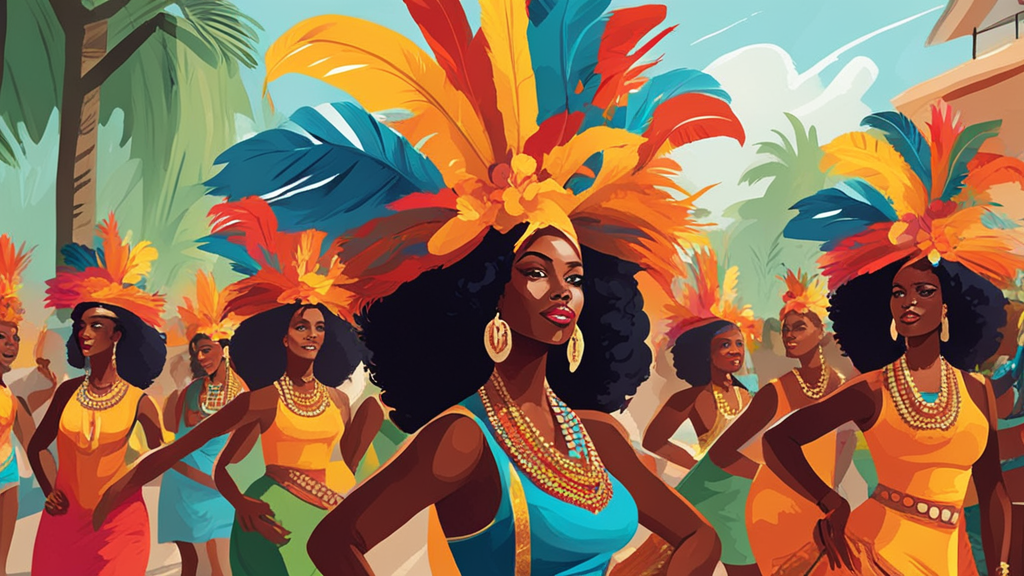
The Calabar Carnival was founded in 2004 by then-Governor Donald Duke, aiming to promote tourism and showcase the rich cultural heritage of Nigeria. The carnival encompasses various events, including street parades, traditional music and dance performances, and culinary delights from the region. The carnival's atmosphere is electrifying, with participants dressed in elaborate costumes celebrating African heritage and diversity.
Historical Context
The Calabar Carnival is a significant cultural event that promotes unity and cultural pride. By including participants from other African countries, the carnival has evolved into a platform that celebrates not just Nigerian culture but African heritage as a whole.
During festive periods, local communities come together to prepare for the carnival. Traditional dances, music, and art are integrated into the festivities, highlighting the multicultural fabric of Nigeria. The carnival emphasizes the importance of cultural heritage and serves as an educational experience for attendees, showcasing the stories and traditions of the Calabar people and beyond.
- Founded in 2004 to promote tourism and cultural heritage.
- Features colorful parades, traditional music, and culinary delights.
- Costs for flights can vary significantly; book early for the best rates.
- Accommodation prices can vary widely during the carnival.
- Consider budgeting for food and local travel expenses to enhance your experience.
- Engage with locals and participate in traditional dances for a richer experience.
What to Expect at the Carnival
When attending the Calabar Carnival, visitors can anticipate a blend of cultural displays, entertainment, and culinary experiences. The main event features a parade with various competing bands, each representing different themes and showcasing their artistic prowess through vibrant costumes and performances. Participants in the parade are often accompanied by live music, creating an infectious atmosphere of joy and celebration.
The Events
The carnival typically spans several days, with a series of events leading up to the main parade. These include:
- Carnival Calabar Festival: This event features performances from local and international artists, dancing competitions, and cultural showcases.
- Food Festivals: Experience local delicacies and international cuisine as various food vendors set up stalls throughout the carnival grounds.
In addition, there are various events designed to engage all ages. The atmosphere during these events is typically vibrant, with music resonating through the streets, creating a festive ambiance that attracts visitors from around the world.
Cost Considerations
Traveling to Calabar for the carnival involves various costs, including flights, accommodations, and local expenses. Flights to Nigeria can vary significantly depending on your departure city and the time of booking. It's advisable to book flights well in advance to secure the best rates.
Accommodation
Calabar offers a range of accommodation options, from budget-friendly hotels to more luxurious resorts. Prices for hotels during the carnival season can increase, with rates for budget hotels starting at approximately 25,000 NGN (about $18.78) and upscale accommodations reaching around 100,000 NGN (about $75.12). It’s wise to book your stay early to ensure availability, as hotels fill up quickly during the carnival period.
Additionally, consider the costs associated with local transportation, food, and entry to various events. Budgeting for food and local travel can provide a comfortable experience, allowing you to explore local cuisine and attractions without overspending.
Practical Tips for Expats and Visitors
To make the most of your Calabar Carnival experience, here are some practical tips tailored for expatriates and returning Nigerians:
- Plan Your Itinerary: Familiarize yourself with the event schedule and plan which parades and events you want to attend. Consider arriving a few days early to acclimate and explore Calabar’s local attractions.
- Cultural Etiquette: Respect local customs and traditions. Engaging with locals in their traditional dances and music can enhance your experience.
- Stay Hydrated: December can be quite warm in Calabar, so drink plenty of water, especially if you are attending outdoor events.
- Use Local Guides: Consider hiring a local guide to navigate the city and provide insights into cultural practices, which can enhance your understanding and enjoyment of the carnival.
- Participate: Don’t just be a spectator; consider joining in the fun by dressing up in carnival attire or participating in local dances.
- Explore Beyond the Carnival: Calabar is rich in history and culture. Take time to visit local markets, museums, and historical sites, such as the Slave History Museum or the Calabar Botanical Garden.
Conclusion
The Calabar Carnival is undoubtedly a unique and enriching experience that showcases the vibrant culture of Nigeria and Africa as a whole. With its historical significance, diverse events, and lively atmosphere, it offers a compelling reason to make the journey to Nigeria. While costs can be a consideration, the memories and experiences gained during this festival are likely to be invaluable. For expatriates and returning Nigerians, the carnival serves as a beautiful reminder of cultural heritage and community spirit. If you're seeking an unforgettable adventure filled with color, music, and unity, the Calabar Carnival is well worth the flight.
AI-Generated Content: This article was created with AI assistance and may contain inaccuracies. Please verify important information with official sources.