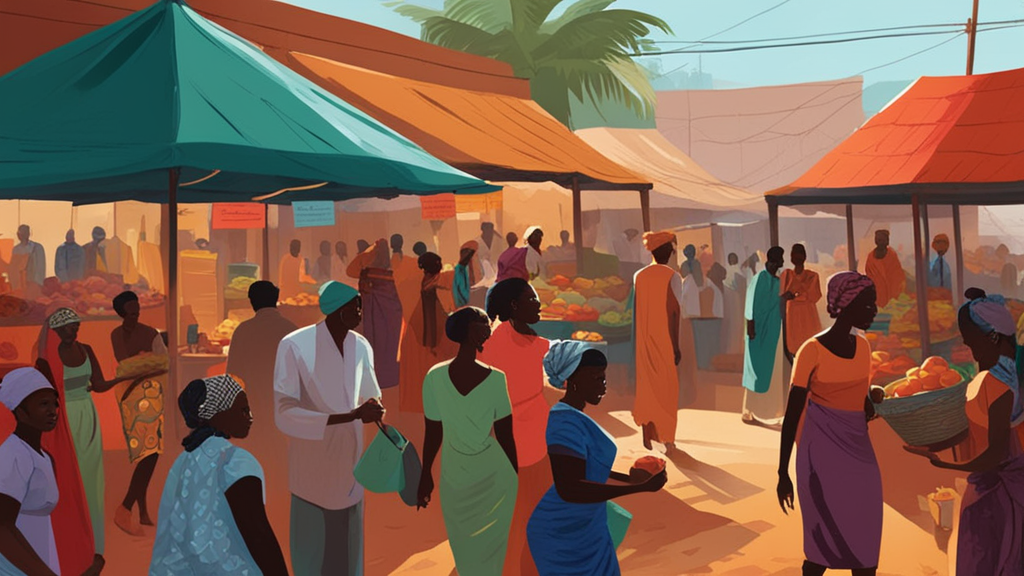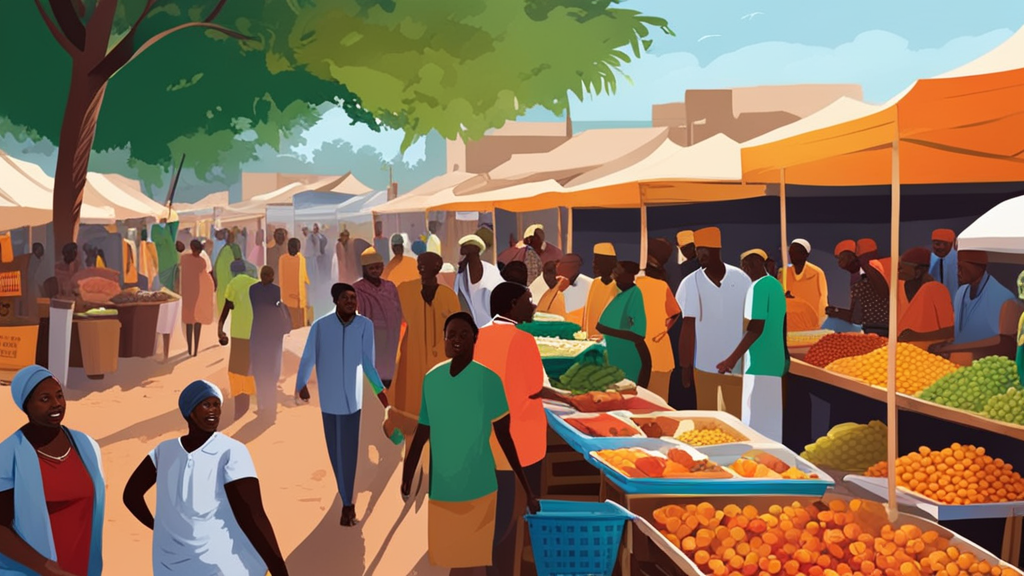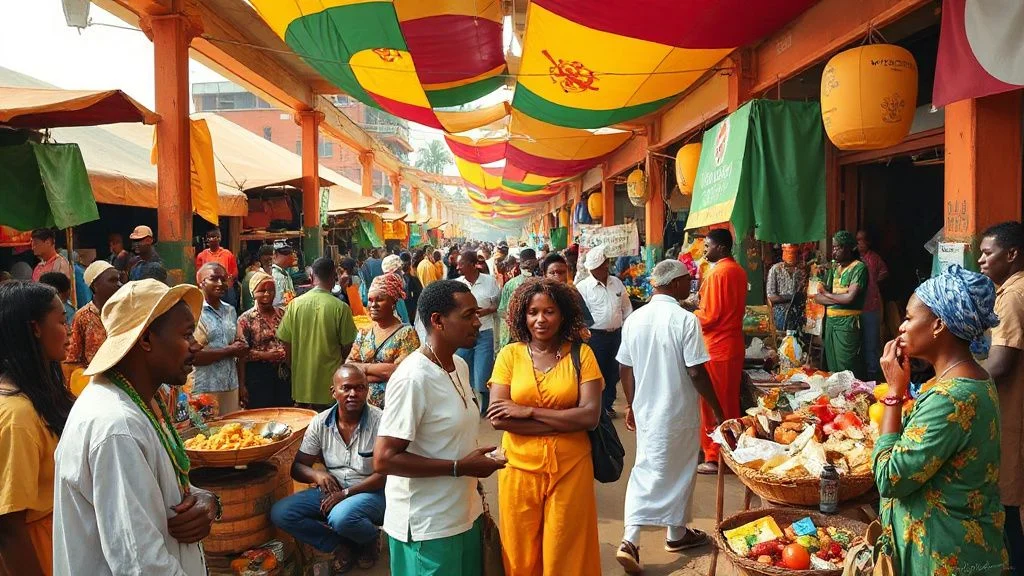
Understanding the role of English in Nigeria provides invaluable context for expatriates and returning Nigerians alike. As a former British colony, Nigeria has a complex linguistic landscape, with English serving as the official language while coexisting with numerous indigenous languages. This article delves into the historical and social contexts that have shaped English usage in Nigeria, offering practical insights for those living or relocating to this vibrant West African nation.
What can we help you with?
Three short questions, then just how to reach you. No account needed.
Historical Context of English in Nigeria
Colonial Influence and Language Development
The introduction of English to Nigeria can be traced back to British colonial rule in the 19th century. Initial contact occurred through trade relations between British merchants and local communities, which led to the development of a rudimentary form of 'contact English.' This early interaction laid the groundwork for the use of English as a second language among Nigerians.
In the 19th century, the arrival of Christian missionaries further entrenched English in Nigerian society. They established schools that taught English alongside religious instruction. As a result, English became associated with education and modernity, leading to its adoption by educated Nigerians. By the time Nigeria gained independence in 1960, English had already become the primary language of governance, law, and education, further solidifying its status.
Post-Independence Evolution
Following independence, the role of English in Nigeria evolved, influenced by sociopolitical changes and the need for national unity in a country with over 500 indigenous languages. English emerged as a lingua franca, facilitating communication across diverse ethnic groups. As the nation developed, Nigerian English began to take shape, integrating elements from local languages and cultural contexts.
Nigerian English differs significantly from British or American English, with unique vocabulary, grammar, and pronunciation influenced by local languages such as Hausa, Yoruba, and Igbo. This evolution reflects the sociolinguistic realities of Nigeria, where English is predominantly spoken as a second language.
Distinct Features of Nigerian English
Vocabulary and Expressions
Nigerian English is rich with unique vocabulary that reflects local culture and experiences. Terms derived from indigenous languages have found their way into everyday English usage. For example, the word “tokunbo” refers to imported second-hand goods, particularly cars, a term that highlights Nigeria's import culture. Similarly, the expression “send-forth” denotes a celebration organized to bid farewell to someone leaving a community or workplace.
Furthermore, Nigerian English utilizes semantic extensions of existing English words. For instance, the word “advices” is often used as a count noun, a grammatical structure that deviates from standard English norms. Such adaptations not only enrich the language but also represent the cultural nuances of communication in Nigeria.
Grammar and Syntax Variations
The grammar of Nigerian English is influenced by the syntactical structures of indigenous languages. For instance, it is common to encounter sentences with double subjects, such as “The man he is happy.” Additionally, the lack of distinction between count and non-count nouns can result in phrases like “I need some informations.” These grammatical peculiarities make Nigerian English distinctive and reflect the linguistic diversity of the country.
Social and Cultural Significance of English
English as a Tool for Unity
In a nation characterized by ethnic diversity, English acts as a unifying force, enabling communication among people from different backgrounds. It is the primary language used in government, media, and education, making it essential for professional and social interactions. Expatriates working in Nigeria will find that proficiency in English facilitates smoother communication and integration into various spheres of life.
Moreover, English serves as a bridge in multicultural settings, allowing individuals from diverse ethnic backgrounds to engage in dialogue and collaboration. For example, business meetings often take place in English, fostering an environment where ideas can flow freely, regardless of the participants' native languages.
Influence of Nigerian Pidgin
Nigerian Pidgin, an English-based creole language, has also emerged as a significant mode of communication among Nigerians, especially in informal settings. While English dominates official contexts, Pidgin serves as a lingua franca for daily conversations, particularly among the less educated population. Pidgin's informal nature allows for a more relaxed communication style, often incorporating humor and colloquial expressions.
Expatriates should be aware of Nigerian Pidgin, as it is frequently used in social interactions. Familiarity with basic Pidgin phrases can enhance rapport with locals and demonstrate cultural sensitivity. For instance, knowing how to say “How far?” (meaning “How are you?”) can help break the ice in casual conversations.
What Expats Should Know
Practical Tips for Navigating Language Differences
For expatriates relocating to Nigeria, understanding the linguistic landscape is crucial for effective communication. Here are some practical tips:
- Learn Basic Phrases: While English is widely spoken, learning simple phrases in local languages, such as Yoruba or Hausa, can foster goodwill and establish connections with locals.
- Be Mindful of Context: Recognize that English usage may vary significantly across regions and social contexts. Phrases that are commonplace in one area may not be understood in another.
- Engage with Locals: Participate in community events and gatherings to immerse yourself in the culture. This exposure will help you become more comfortable with local expressions and dialects.
- Be Patient: When communicating with non-native English speakers, be patient and prepared for potential misunderstandings. Clarifying questions and avoiding idiomatic expressions can facilitate smoother interactions.
Understanding Cultural Nuances
Language is deeply intertwined with culture, and understanding the cultural significance behind certain expressions can enhance your experience in Nigeria. For example, greetings are a vital aspect of Nigerian culture, often serving as a form of respect and acknowledgment. Taking the time to greet individuals properly can go a long way in building rapport.
Furthermore, being aware of local customs and traditions, such as the importance of family and community ties, can help expatriates navigate social interactions with greater ease. Engaging with cultural events, such as festivals and ceremonies, provides an opportunity to experience the richness of Nigerian culture firsthand.
Conclusion
Nigeria's English language landscape is a testament to the country's rich history and cultural diversity. As English continues to evolve within the Nigerian context, it serves as a bridge for communication and understanding among the nation's diverse ethnic groups. For expatriates, navigating this linguistic terrain requires an appreciation of local expressions, cultural nuances, and the role of English as a unifying force. By embracing these insights, newcomers can foster meaningful connections and enrich their experience in Nigeria.