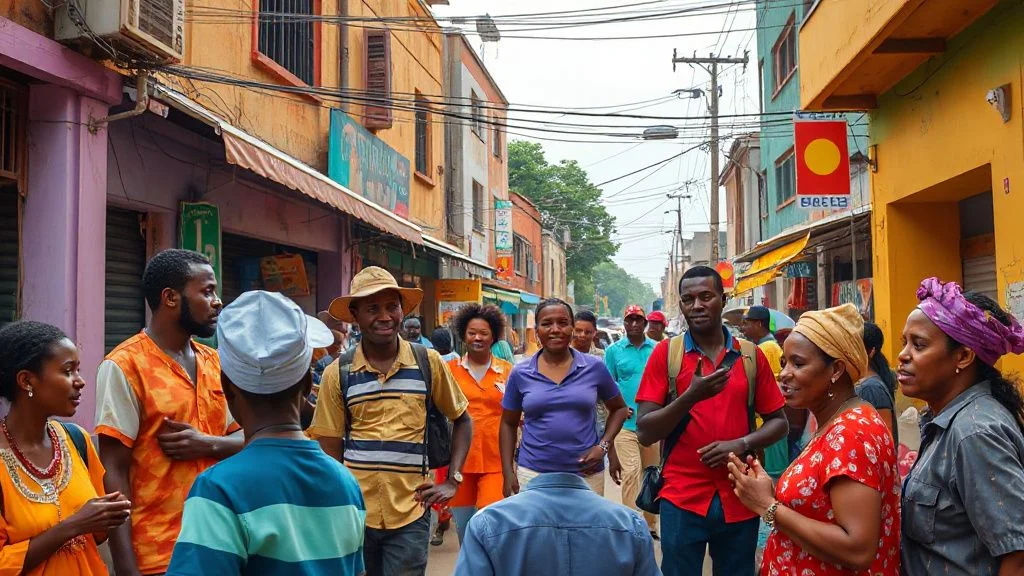
The relationship between Nigerian and Ghanaian communities is characterized by a rich tapestry of cultural exchange, social interactions, and historical ties. Both nations, sharing a colonial heritage under British rule, have developed a unique bond that influences their daily lives. This article explores how these communities interact in various settings, including social gatherings, markets, and cultural events, highlighting the vibrant exchanges that occur on a daily basis.
What can we help you with?
Three short questions, then just how to reach you. No account needed.
Historical Context of Nigerian-Ghanaian Relations
Historically, Nigerians and Ghanaians have coexisted in West Africa for decades, with significant migration patterns shaping their interactions. Many Nigerians have migrated to Ghana for various reasons, leading to a blending of cultures, especially in urban areas like Accra, where Nigerian influence is prevalent.
Moreover, the post-colonial era saw a significant movement of Ghanaians to Nigeria during the 1970s, particularly after Ghana's economy faced challenges. This back-and-forth migration has fostered a sense of kinship and neighborly rivalry that continues to define their interactions today.
Cultural Exchanges in Daily Life
Shared Cuisine
One of the most vivid examples of cultural exchange between Nigerian and Ghanaian communities is their shared love for food. Dishes like jollof rice, egusi soup, and plantains are staples in both cultures, but each nation has its unique twist. These culinary variations reflect the creativity and preferences of each culture.
Food events often celebrate these culinary traditions. These gatherings not only showcase the food but also provide a platform for cultural education, allowing attendees to learn about the origins and variations of dishes. Such gatherings encourage appreciation for each other’s culinary heritage and foster friendships across cultural lines.
Music and Entertainment
The vibrant music scene in both countries serves as another avenue for daily interaction. Nigerian Afrobeat and highlife music from Ghana are enjoyed across borders, often blending together in social settings. The popularity of music from both nations contributes to a shared musical heritage that resonates with many.
Furthermore, Nollywood films are incredibly popular in Ghana, with many Ghanaians enjoying and critiquing Nigerian cinema. Movie nights, often held in community centers or homes, provide an opportunity for families to gather, enjoy the films, and engage in discussions that bridge cultural gaps.
Social Interactions and Networking
Community Events and Festivals
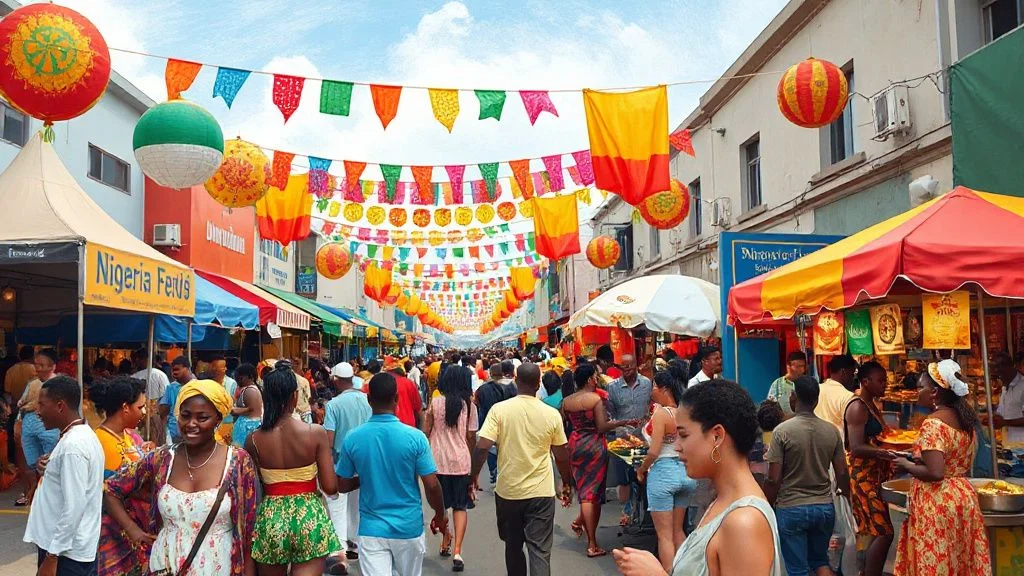
Festivals are pivotal in fostering interactions between Nigerian and Ghanaian communities. Various cultural festivals celebrate heritage, spirituality, and community, promoting a sense of unity among attendees.
During these celebrations, attendees often exchange traditional attire, dance styles, and even recipes, enriching their cultural experiences. Expatriates often find these festivals a perfect opportunity to immerse themselves in the local cultures while making connections with fellow Nigerians and Ghanaians.
Market Interactions
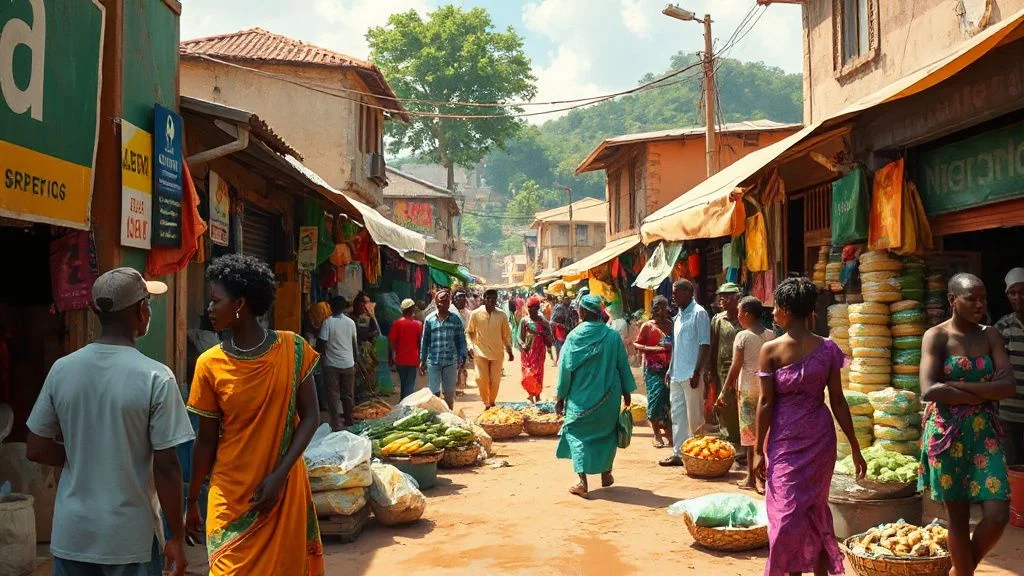
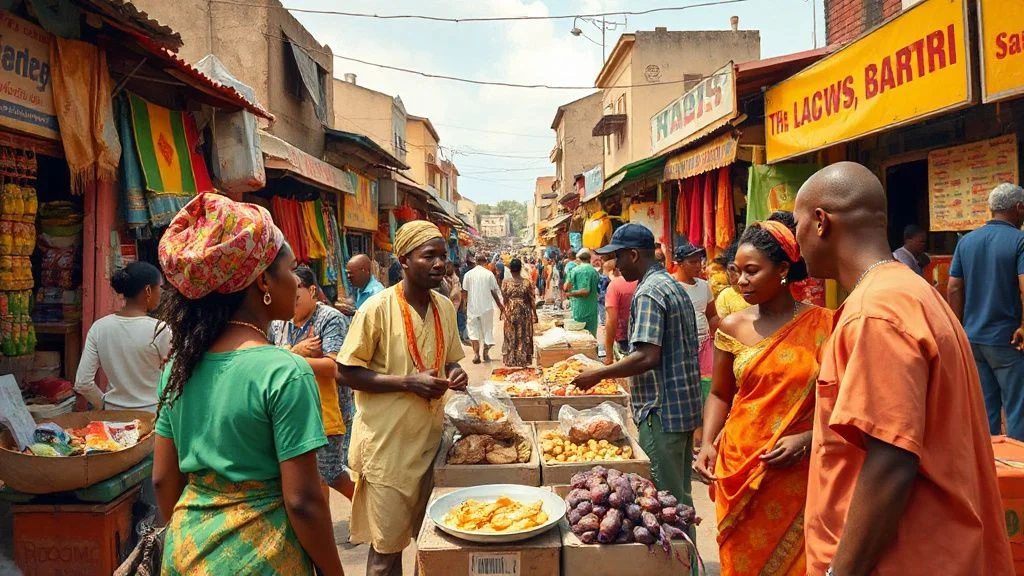
Markets are vibrant hubs of interaction between Nigerians and Ghanaians. In urban areas like Lagos and Accra, you’ll find traders selling textiles, food items, and crafts, while vendors offer local delicacies and handmade goods. This economic interaction fosters not only trade but also cultural exchange.
For expatriates, shopping at these markets can provide insights into local customs and social norms. Engaging with vendors, learning to barter, and sampling local foods can lead to valuable connections and friendships. It’s essential to approach these interactions with respect and an open mind, as market dynamics can vary significantly between cultures.
Challenges and Rivalries
The Friendly Rivalry
Despite their close ties, a friendly rivalry exists between Nigerians and Ghanaians, particularly in areas such as sports and entertainment. Football matches between national teams often spark passionate debates and friendly banter. Such events serve as a backdrop for community gatherings, where fans come together to support their teams while enjoying traditional foods and drinks.
This competitive spirit can sometimes lead to misunderstandings or tensions. Expats should be mindful of the cultural context behind these rivalries. Engaging in discussions about sports can be a fun way to bond, but it's essential to remain respectful and avoid escalating tensions.
Addressing Stereotypes
Stereotypes can sometimes cloud interactions between these communities. For instance, perceptions about assertiveness and demeanor can create barriers in social settings. Expats should strive to look beyond these stereotypes and approach individuals with an open heart and mind.
Building personal relationships through shared experiences can dispel stereotypes. Engaging in community activities, volunteering, or participating in cultural exchanges can foster deeper understanding and appreciation between the two cultures.
Practical Tips for Expats
Understanding Local Etiquette
For expatriates, understanding the nuances of Nigerian and Ghanaian etiquette is crucial for fostering positive interactions. Greetings are particularly important; take time to greet individuals properly, often starting with a handshake. In Ghana, it's common to follow up with a friendly inquiry about one's well-being and family. In Nigeria, greetings can be more elaborate, often involving inquiries into the person's day and family life.
Additionally, when attending social gatherings, bringing a small gift, such as snacks or drinks, is a thoughtful gesture that demonstrates goodwill. It’s also essential to respect local traditions, especially during festivals or religious ceremonies, where participation in rituals or customs can enhance your experience.
Networking and Building Friendships
Networking is a key aspect of life in both Nigerian and Ghanaian communities. Expats looking to integrate should attend community events, workshops, and gatherings. Networking groups often exist for expatriates, where relationships can be built with locals and fellow expatriates alike.
Social media platforms also serve as excellent tools for connecting with local communities. Joining groups focused on specific interests, such as cuisine, sports, or cultural exchange, can lead to meaningful interactions and friendships. Always approach these communities with respect and a willingness to learn and share.
Conclusion
The daily interactions between Nigerian and Ghanaian communities are a reflection of their shared histories, cultures, and aspirations. From vibrant markets and festivals to culinary exchanges and social gatherings, these communities have woven a rich tapestry of interaction that continues to evolve. For expatriates, engaging with these communities offers not just a window into the cultures but also opportunities for personal growth and deeper connections. By understanding local customs, participating in community events, and fostering friendships, expats can enjoy a fulfilling experience in Nigeria and Ghana.