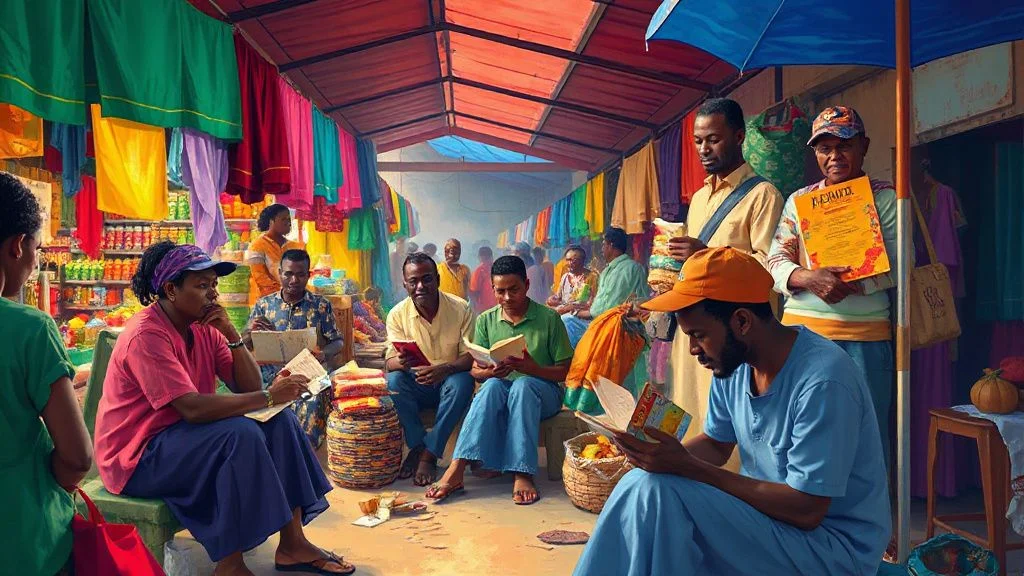
Integrating into Nigerian society as a foreigner can be a rewarding but complex journey. With over 200 ethnic groups and more than 400 languages, Nigeria offers a rich tapestry of cultures, traditions, and experiences. This guide will provide practical, actionable advice on how to meet and connect with local Nigerians, navigate cultural nuances, and find your place in this vibrant society.
What can we help you with?
Three short questions, then just how to reach you. No account needed.
Understanding Nigerian Culture
Nigeria's cultural landscape is diverse, influenced by various ethnic groups, including the Hausa, Yoruba, and Igbo. Each group has unique customs, traditions, and even languages. Understanding these differences is essential for effective integration. For instance, the Yoruba people are known for their respect for elders and communal values, while the Igbo culture emphasizes entrepreneurship and individual achievement. The Hausa culture, predominantly found in the north, is rich in traditions related to hospitality and community.
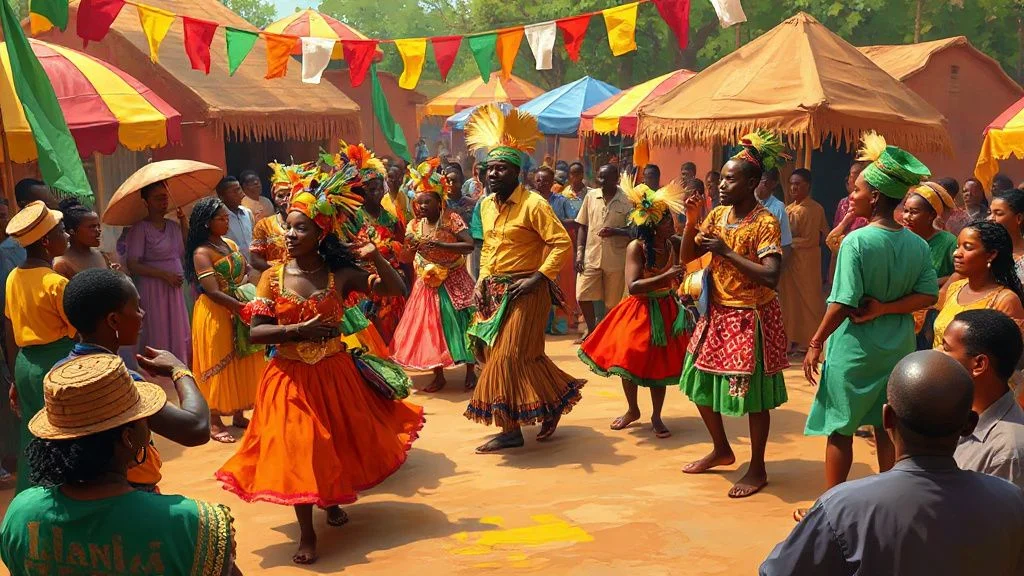
This diversity is celebrated through numerous festivals and events throughout the year. The Osun-Osogbo Festival, held in Osun State, attracts thousands of participants and is known for its colorful displays of culture and tradition. Similarly, the Durbar Festival, celebrated in northern Nigeria, features a spectacular horse parade and is a significant cultural event. Participating in these festivals can be a great way to immerse yourself in local customs and meet new people.
Language and Communication
While English is the official language, over 500 other languages are spoken across the country. Familiarizing yourself with basic phrases in local languages, such as Yoruba, Igbo, or Hausa, can greatly enhance your interactions. Simple greetings like "Bawoni" (How are you?) in Yoruba or "Kedu" in Igbo can break the ice and show your willingness to engage with the culture.
Nigerians are generally friendly and open to conversations, so don't hesitate to initiate dialogue. Engaging in small talk about the weather, local events, or even traffic can lead to deeper conversations and friendships. Being attentive to body language and tone is also essential, as communication often extends beyond words.
Joining Local Communities
One of the most effective ways to integrate into Nigerian society is by joining local communities or expat groups. Many cities, especially Lagos and Abuja, have vibrant expat communities offering support and resources. Look for social clubs, networking events, or cultural groups that align with your interests. These gatherings provide opportunities to meet both locals and fellow expatriates, fostering new friendships and support systems.
Additionally, consider participating in volunteer organizations or community service projects. Engaging in such activities not only allows you to give back to society but also helps you connect with Nigerians who share similar values and interests. Many local NGOs focus on education, health, and environmental issues, providing ample opportunities for involvement.
Social Etiquette and Norms
Nigerian society has its own set of social norms and etiquettes that are crucial for integration. For instance, greetings are significant in Nigerian culture. It is customary to greet elders and acquaintances with respect and formality. A handshake is often accompanied by a slight nod or a smile. In Yoruba culture, asking about someone's family or well-being is an essential part of the greeting process.
When invited to a Nigerian home, it is polite to bring a small gift, such as fruit or a local delicacy. Respecting the host's customs and traditions during your visit is also important. Be mindful of dietary restrictions, as many Nigerians adhere to specific food customs based on religious beliefs. For example, Muslims avoid pork, while some Christians may have specific preferences.
Exploring Local Cuisine
Nigerian cuisine is as diverse as its culture, with various dishes representing different regions. Trying local food is an excellent way to connect with Nigerian culture. Popular dishes include Jollof rice, a spicy rice dish often served at celebrations, and Egusi soup, made from ground melon seeds and typically served with pounded yam.
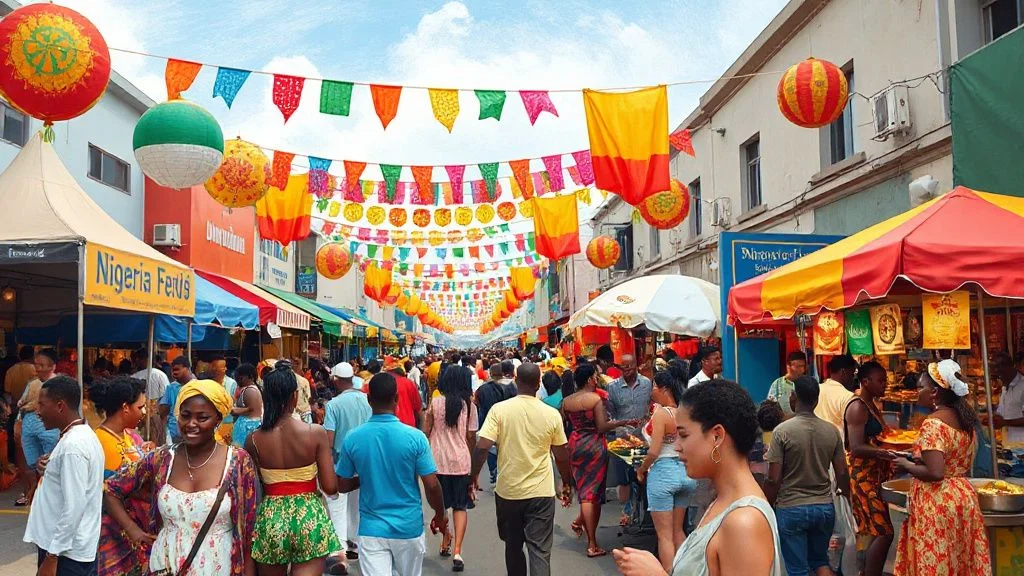
Dining out at local eateries or street food stalls can also be a great way to meet people. Many Nigerians enjoy sharing meals with friends and family, so don't be surprised if you're invited to join a table. Engaging in discussions about food preferences or asking for recommendations can lead to interesting conversations and friendships.
Maintaining an Open Mind and Attitude
Adapting to a new culture requires patience and an open mind. Expect differences in lifestyle, pace, and social interactions. For instance, traffic congestion in Lagos can be overwhelming, and social gatherings may start later than scheduled. Embracing these differences with a positive attitude will help you enjoy your time in Nigeria.
Building relationships in Nigeria may take time, but persistence pays off. Attend social events, engage in conversations, and be genuinely interested in the lives and stories of those you meet. Nigerians appreciate sincerity and warmth, and showing that you care will help foster deeper connections.
Practical Tips for Integration
- Learn Basic Local Phrases: Familiarize yourself with common greetings and expressions in the local languages to show respect and willingness to engage.
- Participate in Cultural Festivals: Attend local festivals to experience Nigeria’s rich cultural heritage and meet new people.
- Join Expat and Local Groups: Seek out clubs, organizations, or volunteer opportunities that match your interests to expand your social circle.
- Embrace Local Cuisine: Try different Nigerian dishes and engage in conversations about food to bond with locals.
- Respect Social Norms: Familiarize yourself with local etiquette, particularly regarding greetings and hospitality, to make a positive impression.
Conclusion
Integrating into Nigerian society as a foreigner is a journey filled with opportunities for growth and connection. By understanding local culture, engaging with communities, and respecting social norms, you can build meaningful relationships and truly enjoy your experience in Nigeria. Embrace the diversity, and remember that every interaction is a chance to learn and grow.