Nigeria's diverse cultural landscape is enriched by the presence of the Chinese community, which has established various temples and organizations that serve as cultural and spiritual hubs. This article delves into the historical context, significance, and practical aspects of Chinese temples and community organizations in Nigeria, particularly in major cities like Abuja. International professionals and returning-diaspora Nigerians can gain valuable insights into these cultural institutions, their festivals, and community activities.
What can we help you with?
Three short questions, then just how to reach you. No account needed.
Historical Context of Chinese Migration to Nigeria
The Chinese presence in Nigeria can be traced back to the early 20th century, with significant migration occurring during the colonial period. Initially, Chinese immigrants were drawn to Nigeria for trade and business opportunities. They typically engaged in commerce, construction, and agricultural sectors. As of our last update, there are approximately 40,000 Chinese individuals residing in Nigeria, with notable populations in Abuja and Kano.
Over the decades, the Chinese community has grown and diversified, leading to the establishment of various religious and cultural institutions. Chinese temples in Nigeria serve as centers for worship and community gatherings, reflecting the community's rich heritage and connection to their ancestral roots.
Chinese Temples in Nigeria
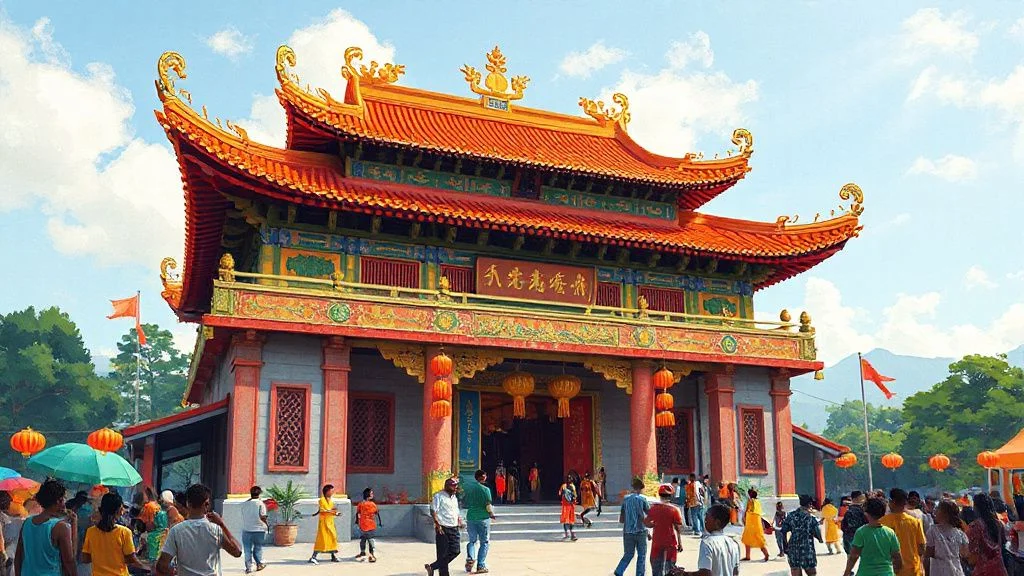
Chinese temples in Nigeria serve as important cultural institutions for the community, reflecting their heritage and traditions. These temples are characterized by traditional Chinese architectural styles, which may include vibrant colors and symbolic motifs. Inside, worshippers can find areas dedicated to various cultural practices and beliefs.
Festivals and Celebrations
One of the most significant events celebrated in these temples is the Chinese New Year, which typically falls between January 21 and February 20. The festival includes various cultural activities that attract participation from both Chinese and Nigerian locals, promoting multicultural understanding.
Another important celebration is the Mid-Autumn Festival, usually held in September or October. This festival is marked by the sharing of mooncakes and family gatherings, emphasizing the importance of unity and gratitude. Community organizations often host events that allow attendees to learn about Chinese traditions through various cultural activities.
Community Organizations and Their Roles
In addition to temples, various community organizations play essential roles in supporting the Chinese diaspora in Nigeria. These organizations typically provide resources and services that serve as vital links between the Chinese community and the broader Nigerian society.
Organizations in Nigeria facilitate business connections and offer support to entrepreneurs. They often provide platforms for sharing experiences and best practices among expatriates and local entrepreneurs, helping Chinese businesses thrive in Nigeria’s competitive market.
Social Support and Integration
Community organizations also focus on social welfare, offering assistance to members in need. This includes various forms of support that foster a sense of belonging. Many organizations emphasize the importance of integration, encouraging members to engage with Nigerian culture and society while maintaining their cultural identity.
For expatriates, these organizations can be invaluable resources for navigating life in Nigeria. They often provide guidance on various practical matters, helping newcomers adapt to their new environment. Expats can participate in organized events and activities to connect with fellow community members and build social networks.
What Expats Should Know
For expatriates relocating to Nigeria, understanding the role of Chinese temples and community organizations can ease the transition and enrich their experience. Here are some practical tips:
- Engage with Local Temples: Visiting a Chinese temple can provide insights into cultural practices and community dynamics. Participate in festivals and ceremonies to foster connections and learn more about the traditions.
- Join Community Organizations: Getting involved with local Chinese organizations can help newcomers build a support network. Attend meetings, workshops, and cultural events to meet members and learn about available resources.
- Respect Cultural Practices: While participating in events, be mindful of cultural etiquette. For instance, when attending a temple ceremony, it is customary to dress modestly and observe the practices respectfully.
- Learn Basic Mandarin or Cantonese: While many community members speak English, learning basic phrases in Mandarin or Cantonese can enhance communication and show appreciation for the culture.
Conclusion
The Chinese temples and community organizations in Nigeria are vibrant reflections of the cultural heritage and social fabric of the Chinese diaspora. They offer a sense of belonging and continuity for community members while fostering intercultural dialogue with the broader Nigerian society. For expatriates, engaging with these institutions can provide valuable insights and support, making the relocation experience more enriching and fulfilling.
As Nigeria continues to grow as a hub for international professionals, recognizing and appreciating the multicultural aspects of its society, including the contributions of the Chinese community, is essential for fostering harmonious coexistence.