Living in Nigeria offers a rich tapestry of cultural experiences that can be both exciting and daunting for expatriates. Understanding the unwritten rules and social norms can significantly enhance your experience, whether you're in the bustling streets of Lagos or the more serene environment of Abuja. In this article, we will explore essential cultural practices, etiquette, and social norms that will help expats integrate smoothly into Nigerian society.
What can we help you with?
Three short questions, then just how to reach you. No account needed.
Understanding Nigerian Greetings and Introductions
Nigerians value greetings and interpersonal connections, making it a crucial aspect of social interaction. When meeting someone, it is customary to offer a handshake accompanied by a warm smile. In more traditional settings, especially among the Yoruba and Igbo ethnic groups, greetings can include a slight bow or a nod, particularly when addressing elders. Failing to greet someone properly might be perceived as rude.
Additionally, the use of local languages can endear you to the locals. While English is the official language, greetings in local dialects such as Yoruba, Hausa, or Igbo, even if just a few words, can foster goodwill. For instance, saying "E kaabo" (welcome) in Yoruba or "Sannu" (hello) in Hausa can create a positive impression.
Respect for Elders and Authority
Respect for elders is deeply ingrained in Nigerian culture. Elders are often given precedence in conversations and decision-making processes. In professional settings, younger individuals should address older colleagues with appropriate titles and show deference to their opinions. This cultural norm extends to social gatherings, where younger people are expected to stand when an elder enters the room and greet them with respect.
This respect is not just about age but also authority and position. In workplaces, it is advisable to address superiors formally and avoid contradicting them openly in discussions. Understanding this hierarchy will help you navigate social and professional interactions more effectively.
Community and Family Orientation
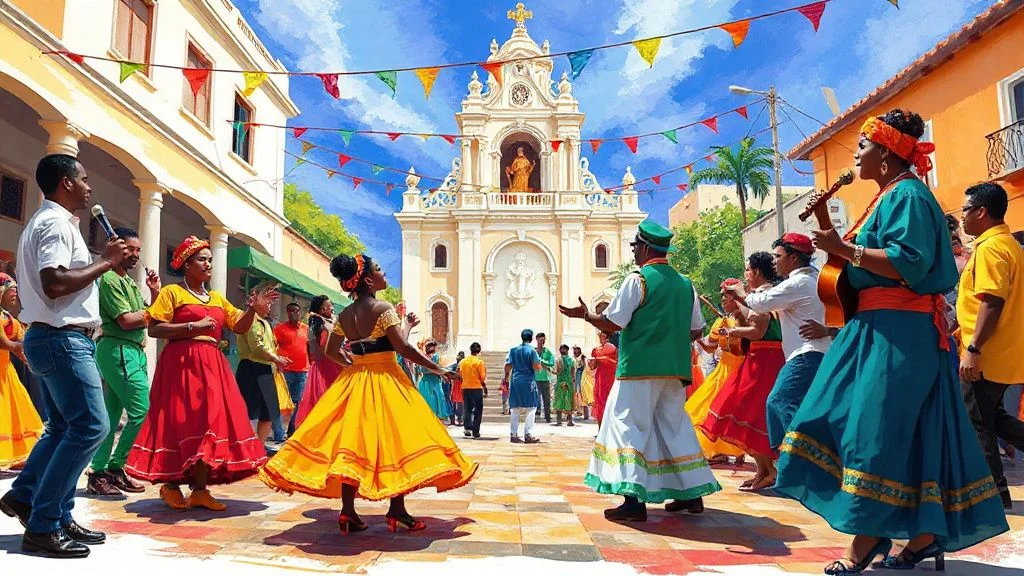
Nigerian society is predominantly community-oriented. Family ties are strong, and individuals often prioritize the needs of the family over personal aspirations. As an expat, embracing this communal spirit can help you connect better with the locals. Participate in community events and family gatherings when invited, as these occasions often serve as gateways to deeper relationships.
In cities like Lagos, where diverse cultures meet, the sense of community can be observed in neighborhood gatherings and local celebrations. Taking part in these events not only enriches your experience but also allows you to build a network of friends and acquaintances.
Dining Etiquette and Sharing Meals
Dining in Nigeria is often a communal affair. When invited to someone's home, it's customary to bring a small gift, such as fruit or snacks, as a token of appreciation. Upon arrival, you may be offered food and drinks; it is polite to accept, even if just a small amount, as this demonstrates respect for the host's hospitality.
During meals, it is common for dishes to be shared among guests. This sharing signifies goodwill and community. If you are dining with a Nigerian family, be prepared to eat with your hands, especially when consuming traditional dishes like jollof rice or pounded yam. However, if you prefer utensils, it's acceptable to use them; just ensure to express gratitude for the meal served.
Dress Code and Modesty
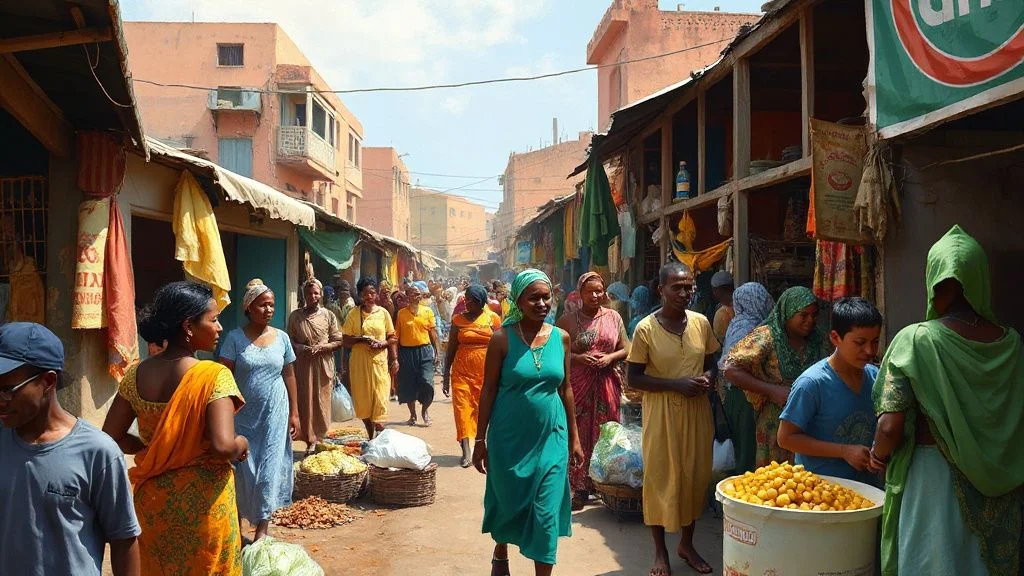
Nigeria's diverse ethnic groups influence the dress code across the country. In urban areas like Lagos, the fashion scene is vibrant, and you’ll find a mix of traditional and modern attire. However, modesty is important, particularly in more conservative northern regions. Women are advised to dress modestly, especially in places of worship or rural areas where cultural norms are more traditional.
In professional settings, business attire is generally formal. Men often wear suits, while women are advised to opt for dresses or business suits that are not overly revealing. Understanding the local dress code will help you make a good impression in both social and business environments.
Practical Tips for Expats
As you settle into your new life in Nigeria, here are some practical tips to help you navigate the social landscape:
- Learn Basic Local Phrases: Familiarize yourself with simple greetings and phrases in local languages to enhance your interactions.
- Be Open-Minded: Embrace the vibrant culture and be willing to adapt to different social norms.
- Attend Local Events: Participate in festivals and community gatherings to build relationships and deepen your understanding of the culture.
- Respect Local Customs: Always be aware of cultural sensitivities, especially in terms of dress and behavior in public spaces.
- Be Patient: Adjusting to life in Nigeria may take time, so remain patient and open to new experiences.
In conclusion, living in Nigeria as an expat can be an enriching experience when you understand and respect the local unwritten rules and social norms. Greetings, respect for elders, a communal spirit, dining etiquette, and appropriate dressing are just a few aspects that characterize life in Nigeria. By embracing these cultural nuances, you can foster positive relationships and make the most of your time in this vibrant nation.
Primary Sources
Last updated: October 2026