The clearest thing Brazil and Nigeria share at the table is a bean fritter. In Nigeria it is akara; in Bahia it is acarajé. That is not a coincidence of recipes, and it is a better starting point for understanding the connection than any general claim about cultural fusion.
What can we help you with?
Three short questions, then just how to reach you. No account needed.
A festival built on exactly that link
There is a real Nigeria–Brazil partnership around it. The Akara Festival in Nigeria and the Acarajé Festival in Brazil run as a joint event at the Elekahia Stadium in Port Harcourt, over four days from 16 to 19 October, as part of World Food Day. It is led on the Nigerian side by Fitness Talkshow Communications Ltd, with Soye Elekima, president of the Amateur Bodybuilding and Fitness Federation of Nigeria, fronting it.
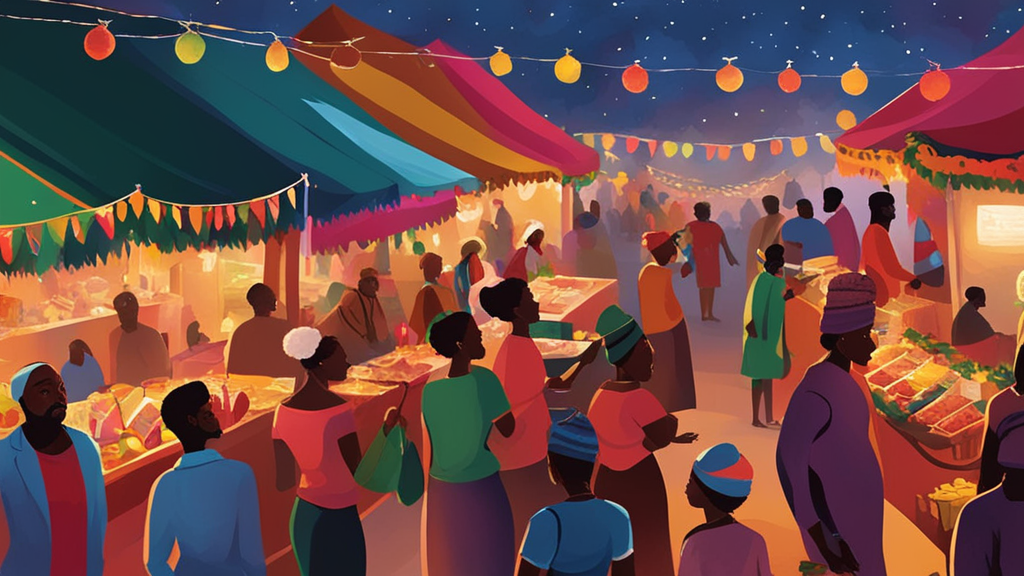
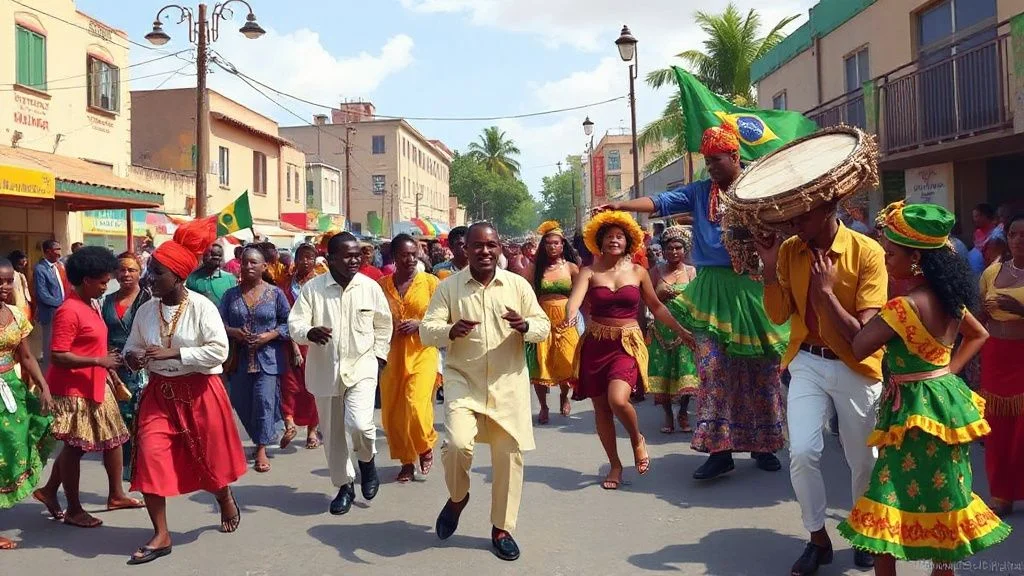
The programme is broader than food: culinary competitions alongside music, dance, traditional games, exhibitions and Ankara fashion, with the stated aim of promoting Afro-Brazilian and Afro-Nigerian heritage through culture, cuisine and fitness. It is positioned against five memoranda of understanding signed during President Tinubu's visit to Brazil, covering aviation, trade, energy, culture, and science and technology.
Check the dates before you plan around it. The report this draws on is from September 2025 and announced that year's edition. An announced festival is not the same as an annual one, so confirm the current year's dates and venue with the organisers rather than assuming they repeat.
What this article does not claim
Three things circulate about Brazilian influence in Nigeria that could not be verified, and being specific about them is more useful than repeating them.
- There is no "Afro-Brazilian Festival in Abuja" that could be found. What exists in Abuja is different: the Abuja Carnival hosted a delegation from Rio de Janeiro in 2019, and the Brazilian embassy held a cultural evening there in June 2025. Neither is the festival usually named.
- No sourced account of samba or bossa nova shaping Nigerian music was found. The claim is common in guides; the evidence is not. Nigeria's own popular music has its own documented lineages, and asserting a Brazilian influence without a source does neither tradition any favours.
- No list of shared ingredients beyond the bean fritter. Guides promise one and then do not deliver it; rather than invent a list, this article names the one link that is genuinely well known and leaves the rest to someone who can source it.
Where the documented history actually sits
The substantial, well-recorded Brazil–Nigeria connection is not a contemporary cultural import but a nineteenth-century return: the Agudá, Afro-Brazilian returnees who settled in Lagos and left the Brazilian Quarter, the sobrado houses and a set of Portuguese surnames behind them. That is a separate subject and it is covered in our article on the Agudá return to Lagos rather than repeated here.
The living thread from that history is the Lagos Island carnival, widely associated with the Fanti Carnival and with Afro-Brazilian heritage — though the general sources describe that association loosely rather than precisely, so treat it as a living connection rather than a documented lineage.
Practical notes for expats
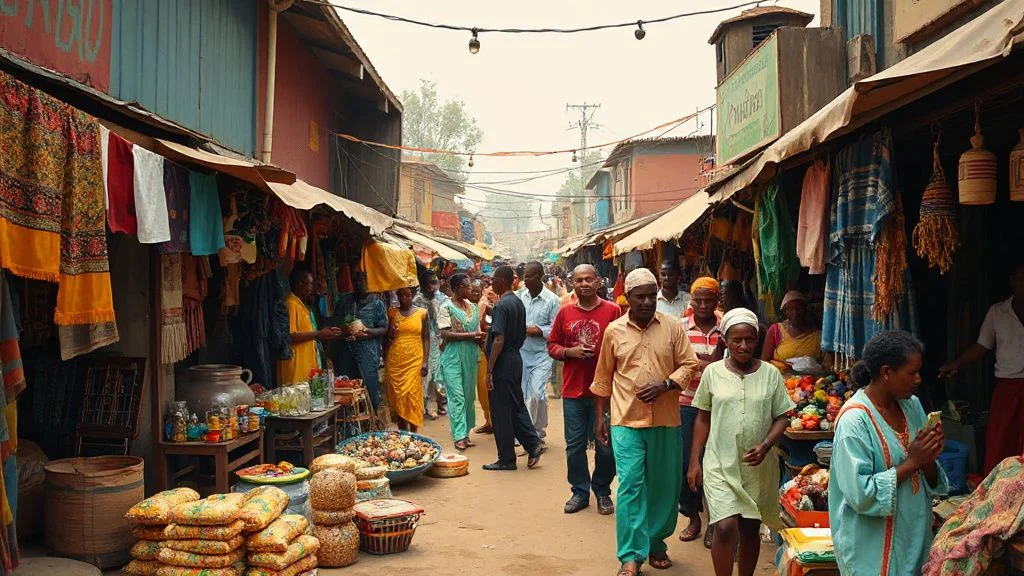
- Akara is everywhere and cheap. You do not need a festival to try it: it is an ordinary street and market breakfast, fried to order.
- If the festival interests you, contact the organisers directly. Dates, venues and whether an edition is running at all are things only they can confirm.
- Be wary of fusion-restaurant promises in guides. No specific venue is named here because none could be verified, and a closed restaurant is a wasted evening.
- For the history, go to Lagos Island. The Brazilian Quarter is the primary source, and much of it has been replaced as the district turned commercial.
Where to check
The festival details above are from the News Agency of Nigeria's report of 7 September 2025, read on 24 October 2026; note that the report does not itself define akara or acarajé, so no definition is attributed to it. The background on the Agudá community is from the entry on Brazilian Nigerians.
AI-Generated Content: This article was created with AI assistance and may contain inaccuracies. Please verify important information with official sources.