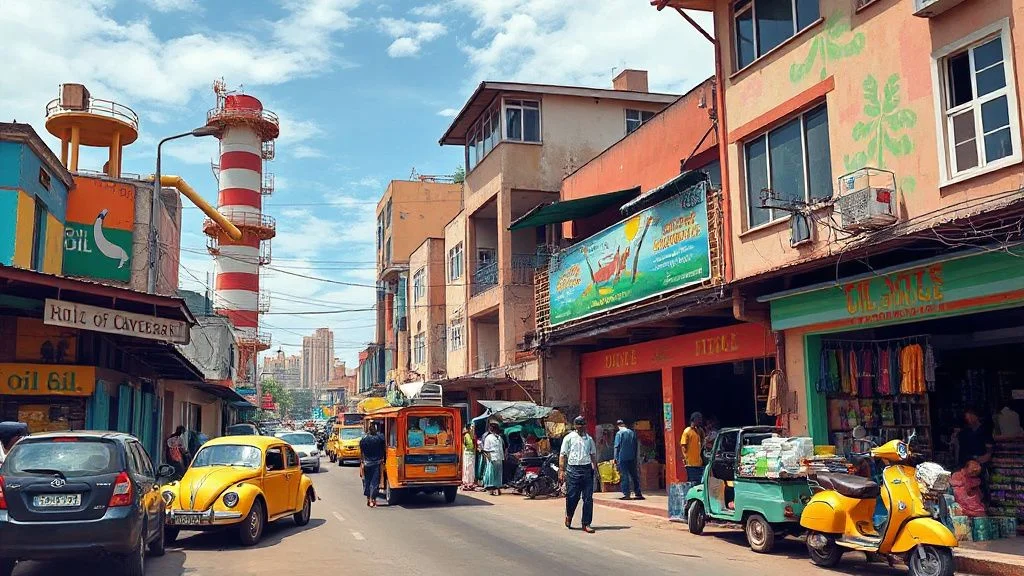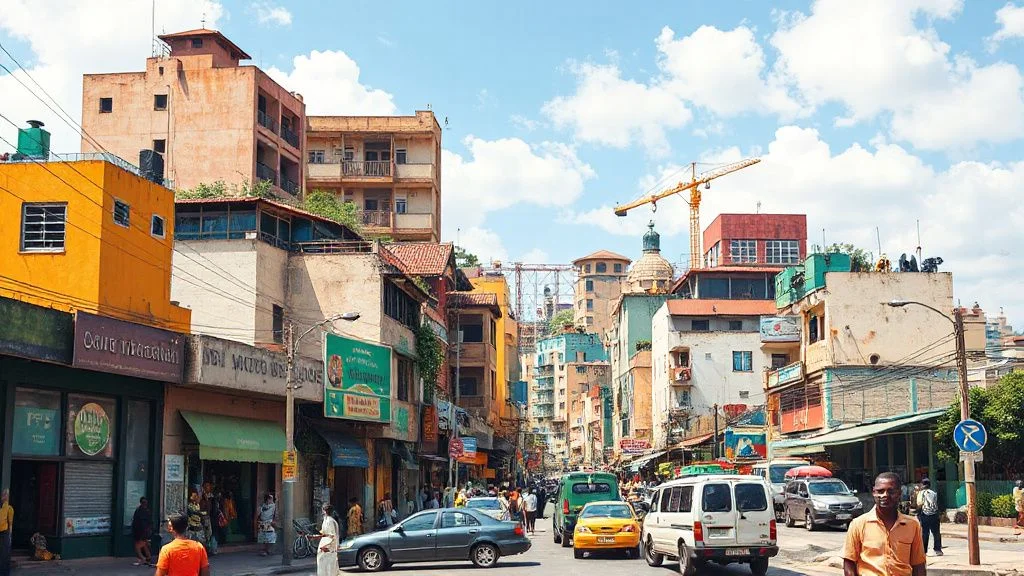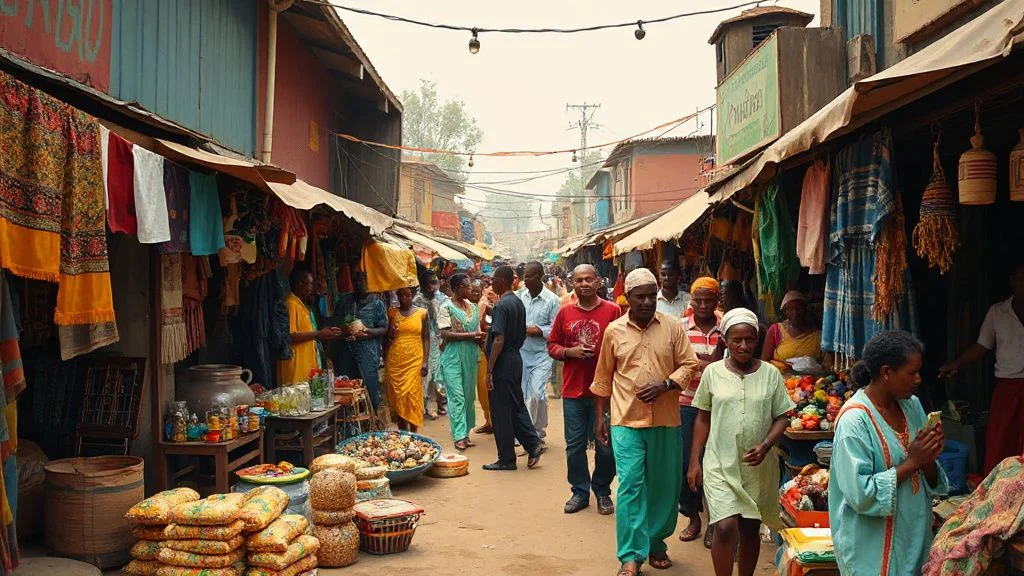
Nigeria's membership in the Economic Community of West African States (ECOWAS) plays a vital role not only in its own socio-economic landscape but also in shaping the regional dynamics of West Africa. This article delves into what Nigeria's participation in ECOWAS means in practice, particularly regarding economic cooperation, security, and cultural exchange.
What can we help you with?
Three short questions, then just how to reach you. No account needed.
Understanding ECOWAS: A Brief Overview
Founded in 1975, ECOWAS consists of 15 member states, including Nigeria, and aims to foster economic integration and collaboration among its members. The organization promotes trade, common policies, and political stability, which are particularly significant given the diverse economic strengths and challenges faced by its member nations. ECOWAS has established a free trade area and adopted a common external tariff, encouraging cross-border trade and investment.
Nigeria's Economic Leadership
Nigeria, being the largest economy in West Africa, plays a pivotal role in ECOWAS's initiatives. The country's economic strength makes Nigeria a key player in driving economic policies and reforms. Through its membership, Nigeria has access to a broader market, facilitating the export of goods and services across the region. For expatriates and returning Nigerians, this means potential business opportunities and a larger consumer base for local products.
Trade Dynamics within ECOWAS
Trade policies under ECOWAS are designed to enhance economic collaboration among member countries. Nigeria benefits from reduced tariffs and simplified trade regulations, which encourage imports and exports within the region. For instance, the establishment of the ECOWAS Trade Liberalization Scheme (ETLS) allows Nigerian businesses to export goods to other member states with minimal trade barriers. This can lead to increased availability of goods and potentially lower prices for consumers in Nigeria.
Security and Political Stability
Security challenges in West Africa have been a persistent issue, affecting regional stability and economic growth. ECOWAS has been actively engaged in conflict resolution and peacekeeping efforts, with Nigeria often at the forefront of these initiatives. The country has contributed troops and resources to ECOWAS missions aimed at restoring peace in conflict-ridden member states.
Nigeria's Role in Peacekeeping
As a founding member, Nigeria has played a critical role in establishing the ECOWAS Monitoring Group (ECOMOG), which is tasked with peacekeeping missions across the region. This commitment to regional security not only enhances Nigeria's reputation as a leader in West Africa but also provides a safer environment for expatriates and local businesses alike. With increased stability, there is a greater potential for economic growth and investment opportunities within Nigeria and the broader ECOWAS region.
Political Influence and Cooperation
Nigeria's political landscape significantly influences ECOWAS's policy decisions. The country has been instrumental in promoting democratic governance among member states. By advocating for democratic principles and human rights, Nigeria aims to foster a politically stable environment conducive to economic growth. This political commitment is crucial for expatriates, who may seek assurance about the stability of the region when considering relocation or investment.
Cultural Exchange and Integration
Nigeria's rich cultural heritage contributes to the diverse tapestry of ECOWAS. The organization not only facilitates economic cooperation but also encourages cultural exchange among member states. This cultural integration plays a crucial role in fostering understanding and collaboration among the peoples of West Africa.
Festivals and Cultural Events
Through various cultural festivals and events, Nigeria showcases its traditions while also embracing those of its neighbors. Events such as local carnivals and traditional festivals attract participants and visitors from across the ECOWAS region, promoting tourism and cross-cultural dialogue. Such interactions allow expatriates to immerse themselves in the local culture, enhancing their experience in Nigeria.
Language and Communication
English serves as the official language in Nigeria, facilitating communication among expatriates and locals. However, the country is home to over 500 languages, with Yoruba, Hausa, and Igbo being the most prominent. This linguistic diversity enriches the cultural experience for expatriates, who are encouraged to learn basic phrases in local languages to foster connections and show respect for Nigerian culture.
Practical Tips for Expatriates
For expatriates relocating to Nigeria, understanding the implications of ECOWAS membership is essential. Here are some practical tips:
- Stay Informed: Keep abreast of trade regulations and economic policies affecting your industry, as these can have direct implications on your business ventures.
- Engage in Cultural Activities: Participate in local festivals and events to build connections and appreciate the multicultural aspects of Nigerian society.
- Network with Local Professionals: Leverage the diverse professional landscape within ECOWAS to expand your business network and explore potential partnerships.
- Learn Local Languages: Taking the time to learn key phrases in local dialects can ease communication and build rapport with Nigerian colleagues and friends.
Conclusion
Nigeria's membership in ECOWAS offers significant benefits in terms of economic opportunities, security collaboration, and cultural exchange. For expatriates and returning Nigerians, being aware of these dynamics can enhance their experience and integration in the country. The ongoing developments within ECOWAS continue to shape the political, economic, and cultural landscape of Nigeria, making it an exciting place for international professionals to live and work.