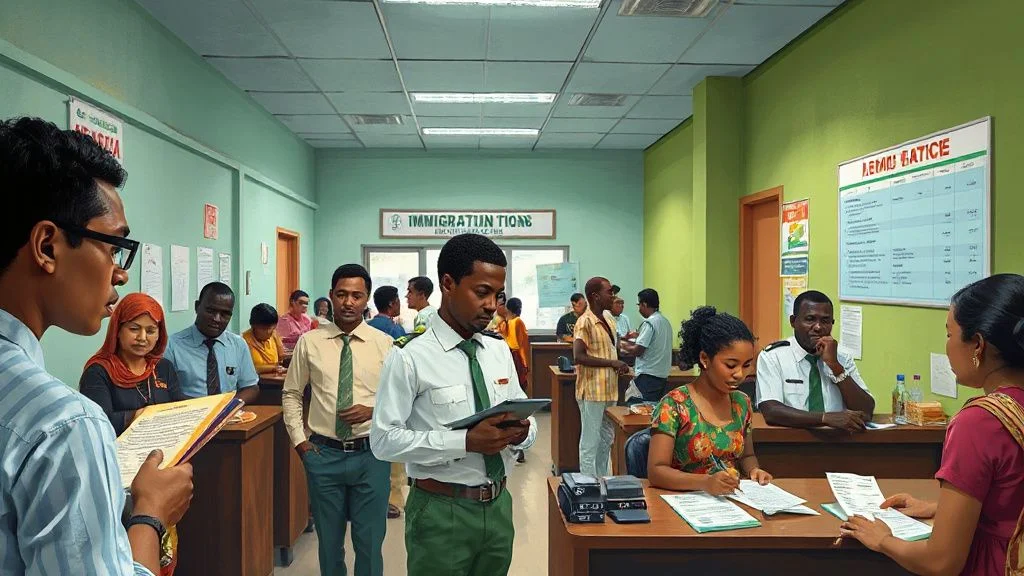
Relocating to Nigeria as an expatriate involves navigating various bureaucratic processes, one of which is obtaining the Combined Expatriate Residence Permit and Aliens Card (CERPAC). A critical part of this process is the interview, which can raise questions about who is responsible for the associated costs. This article will delve into the financial obligations surrounding the CERPAC interview, the application process, and practical advice for expatriates living in Nigeria.
What can we help you with?
Three short questions, then just how to reach you. No account needed.
Understanding the CERPAC
The CERPAC is a residence permit issued to foreigners residing or employed in Nigeria. It serves as proof of legal residence and identity for expatriates. The permit is essential for those who wish to live and work legally in Nigeria for an extended period, typically one year or more, and is subject to renewal.
Eligibility for the CERPAC typically includes various categories of foreigners such as business owners, employees, students, and retirees. Each category has specific requirements and associated fees. For instance, employed foreigners are required to pay a fee of $2,000 (2026-10-21) for the permit, while students pay $600 (2026-10-21) (Nigeria Immigration Service, CERPAC page, measured 2026-10-21).
The Interview Process
The CERPAC application process includes an interview, which is a crucial step in verifying the applicant's identity and purpose for residing in Nigeria. During the interview, applicants are typically required to present their documentation, including a valid passport, proof of employment, and any other relevant documents.
While the interview itself does not have a specific fee attached to it, the overall application process, including the permit fee, can be significant. Therefore, understanding who pays for the interview is essential for expatriates and their employers.
Who Pays for the Interview?
Typically, the responsibility for paying the fees associated with the CERPAC application, including the costs incurred during the interview, falls on the expatriate or their employer. In many cases, employers cover the costs as part of the employment package for expatriates, especially for skilled positions where the company is keen to attract international talent.
For instance, if an expatriate is employed by a multinational corporation, it is common for the employer to handle the CERPAC fees, including any expenses related to the interview process. This arrangement not only eases the financial burden on the expatriate but also ensures that the company complies with Nigerian immigration laws.
Self-Paying Expatriates
On the other hand, expatriates who are self-employed or are in a less formal employment arrangement may need to cover these costs themselves. This situation is particularly common among freelancers or entrepreneurs who do not have a corporate entity to support their immigration needs. In such cases, it is crucial for these individuals to budget for the CERPAC fees and any potential costs associated with the interview.
Regardless of who pays, it is advisable for expatriates to clarify the financial responsibilities upfront. This clarity can help prevent misunderstandings and ensure that all parties are aware of their obligations.
Application Process Overview
The CERPAC application process involves several steps, each requiring careful attention to detail. Here’s a breakdown of the process:
- Online Application: The first step is to submit an online application through the Nigeria Immigration Service (NIS) portal. This application requires the applicant to provide personal details and select the appropriate visa category.
- Required Documents: Applicants must upload necessary documents, including a valid passport with a Nigerian visa, proof of employment, business registration, or student status, along with any other supporting documents as required.
- Payment: After submitting the application, the next step is to pay the applicable fees online. As mentioned earlier, employed foreigners pay $2,000 (2026-10-21), while students pay $600 (2026-10-21) (Nigeria Immigration Service, CERPAC page, measured 2026-10-21).
- Biometric Data: Applicants must provide biometric data, including fingerprints and a photograph, at a designated NIS office. This step is crucial for identity verification.
- Processing: Once the application and biometric data are submitted, the NIS will process the application and verify the documents. This process can take several weeks, so applicants should plan accordingly.
Common Reasons for Rejection
Understanding the common reasons for rejection can help expatriates avoid pitfalls during the application process. Some typical reasons include:
- Incomplete Documentation: Failing to provide all required documents can lead to rejection. Ensure that all documents are submitted in full.
- Incorrect Fees: Submitting the wrong fee amount can also result in denial. Double-check the fee structure before making payments.
- Insufficient Employment Verification: Employers must provide clear proof of employment. Inadequate verification can lead to complications.
Practical Tips for Expatriates
To navigate the CERPAC application process smoothly, here are some practical tips:
- Start Early: Begin the application process well in advance of your intended move to Nigeria. This approach allows ample time for any potential delays.
- Consult with Your Employer: If you are employed, discuss the CERPAC process with your employer. They may have resources or contacts to assist you.
- Keep Copies of All Documents: Maintain copies of all submitted documents and payment receipts. This practice can be helpful in case of any discrepancies.
- Stay Informed: Immigration policies can change, so it is essential to stay updated on any changes that may affect your application.
Conclusion
Understanding who pays for the combined expatriate residence permit interview in Nigeria is crucial for expatriates and their employers. While the responsibility typically falls on the expatriate or their employer, clear communication about financial obligations can prevent misunderstandings. The CERPAC application process, though detailed, can be navigated successfully with proper preparation and awareness of common pitfalls. By following the outlined steps and tips, expatriates can ensure a smoother transition to living and working in Nigeria.
Primary Sources
Last updated: November 2026