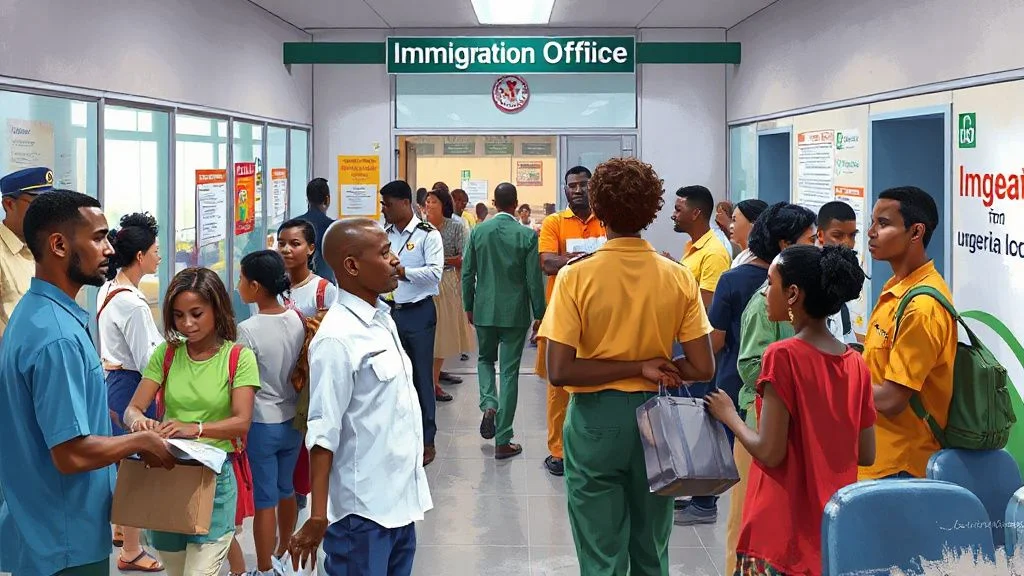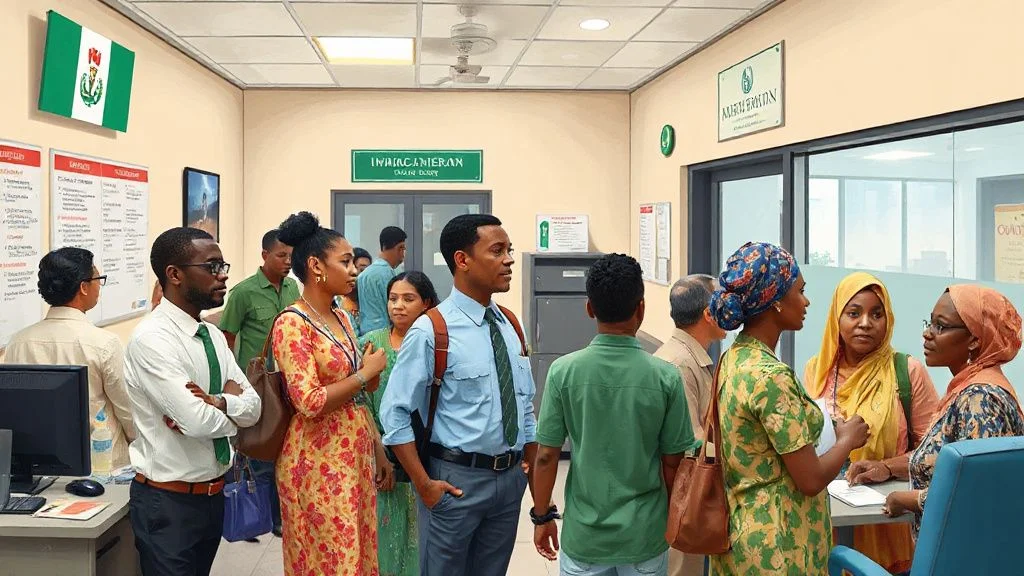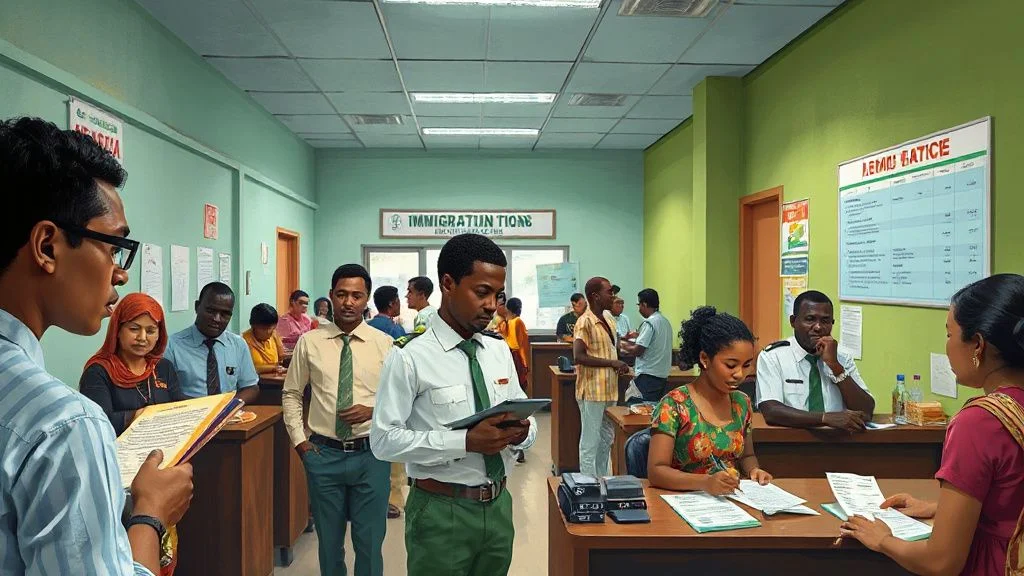
For expatriates and returning Nigerians from ECOWAS member countries looking to reside in Nigeria, obtaining an ECOWAS residence card is a crucial step. This article will guide you through the application process, eligibility criteria, required documents, and where to file your application for the residence card.
What can we help you with?
Three short questions, then just how to reach you. No account needed.
Understanding the ECOWAS Residence Card
The ECOWAS residence card allows citizens of member countries to live and work in Nigeria without the need for a traditional visa. As of now, the ECOWAS member countries include Benin, Cabo Verde, Côte d’Ivoire, The Gambia, Ghana, Guinea, Guinea-Bissau, Liberia, Senegal, Sierra Leone, and Togo. However, it is essential to note that Burkina Faso, Mali, and Niger have withdrawn from ECOWAS as of January 29, 2025, and applicants from these countries should verify their current status with the Nigeria Immigration Service (NIS).
While citizens of ECOWAS countries enjoy the right to reside in Nigeria, they must still register with the NIS to obtain the residence card. This card is separate from the visa-free entry that ECOWAS nationals may enjoy, and it is crucial to complete the registration process to ensure compliance with Nigerian immigration laws.
Eligibility Criteria for the ECOWAS Residence Card
To be eligible for the ECOWAS residence card, applicants must meet specific criteria. Firstly, you must be a citizen of an ECOWAS member country. Secondly, you need to provide documentation that supports your reason for residing in Nigeria, such as employment, business, or educational purposes. This documentation may include letters from employers, business registration documents, or acceptance letters from educational institutions.
Additionally, applicants must prepare a valid travel document, typically a passport, and provide recent passport-sized photographs as part of the application process. It is advisable to confirm any additional requirements with the NIS, especially if your nationality is among those that have recently changed their status within ECOWAS.
Required Documents for Application
When applying for the ECOWAS residence card, you will need to gather several documents to support your application. These typically include:
- Duly completed application form
- Three recent colored passport photographs (4×4 cm)
- Evidence of age (birth certificate or statutory declaration of age)
- Letter of introduction from your employer (for salaried workers)
- Letter of confirmation of Nigerian citizenship from your local government chairman (if applicable)
- Letters of introduction from educational institutions (for students)
- Any other documents that may be required by local authorities
It is essential to ensure that all documents are accurate and complete to avoid delays in processing your application. The NIS may request additional documentation based on your specific situation.
Where to File Your ECOWAS Residence Card Application
Applications for the ECOWAS residence card can be filed at designated Nigeria Immigration Service offices. The primary locations include:
- NIS Headquarters in Abuja
- State Commands across Nigeria
- Local government immigration offices
It is advisable to visit the NIS website or contact their offices directly to confirm the nearest location and any specific filing procedures. Each office may have different operating hours and requirements, so verifying this information beforehand can save you time and effort.
Processing Times and Fees
The processing time for the ECOWAS residence card can vary, but it typically takes several weeks, so apply well ahead of the move rather than on arrival. On the fees there is a correction to make that matters more than any figure, because it decides which document you are even reading about. CERPAC, the Combined Expatriate Residence Permit and Aliens Card, is the scheme for NON-ECOWAS nationals living in Nigeria. An ECOWAS citizen is precisely the person CERPAC does not cover, and registers through the ECOWAS Residence Card instead. So a price list taken from the CERPAC page describes a different permit, however carefully it is footnoted, and figures quoted for employed, married or student applicants under CERPAC are not what you will pay for this card. Three points that do apply:
- ECOWAS nationals are visa exempt and may enter Nigeria on a valid passport, so arriving is not the part that costs you anything.
- The card is for ECOWAS citizens who are already resident in Nigeria, which is why it cannot be arranged from abroad before you travel.
- Because the Immigration Service renders its fee tables live rather than publishing fixed figures, no amount is set out here. Take it from the Service at the point of application, and treat any page that hands you a CERPAC figure for an ECOWAS card as mistaken about which document you need.
Always check with the NIS for the most current fees and processing times, as these can change based on government policies.
Common Reasons for Application Rejection
Understanding the common reasons for rejection can help you avoid pitfalls during the application process. Some frequent reasons include:
- Incomplete or inaccurate documentation
- Failure to meet eligibility criteria
- Insufficient evidence of purpose for residing in Nigeria
To mitigate these risks, ensure that all documents are thoroughly checked and that you meet all the eligibility requirements before submission. It is also beneficial to keep copies of all submitted documents for your records.
Practical Tips for Applicants
Here are some insider tips to help streamline your application process:
- Start the application process early to account for any unexpected delays.
- Keep abreast of any changes in immigration policies by regularly checking the NIS website.
- Engage with local expatriate communities for shared experiences and advice.
- Consider consulting with an immigration lawyer or expert if you have a complicated case.
Conclusion
Filing for an ECOWAS residence card in Nigeria is a straightforward process if you understand the requirements and procedures involved. Ensure you gather all necessary documents, file your application at the appropriate NIS office, and be aware of the associated fees and processing times. By following these guidelines, you can facilitate a smoother transition to living and working in Nigeria.