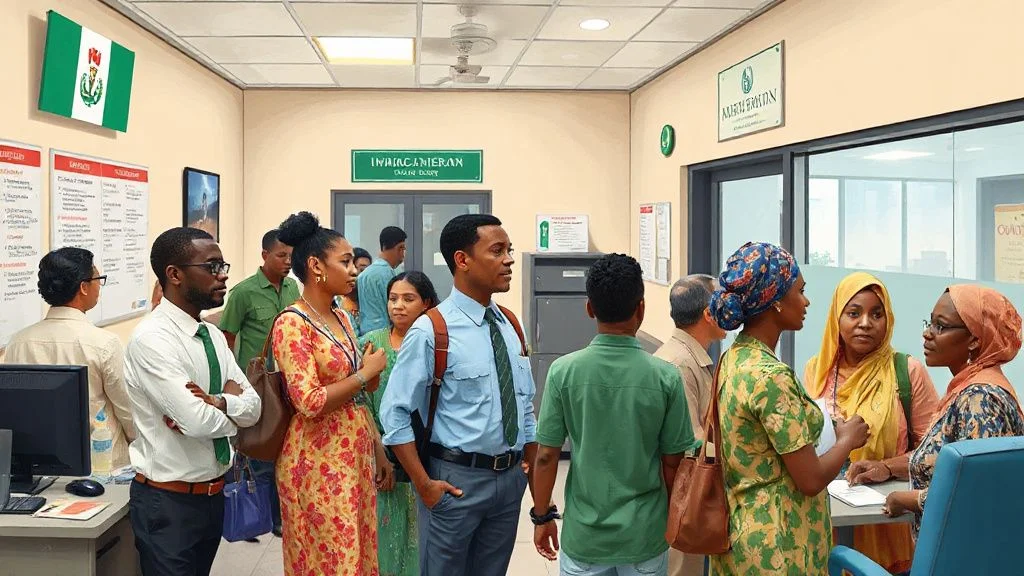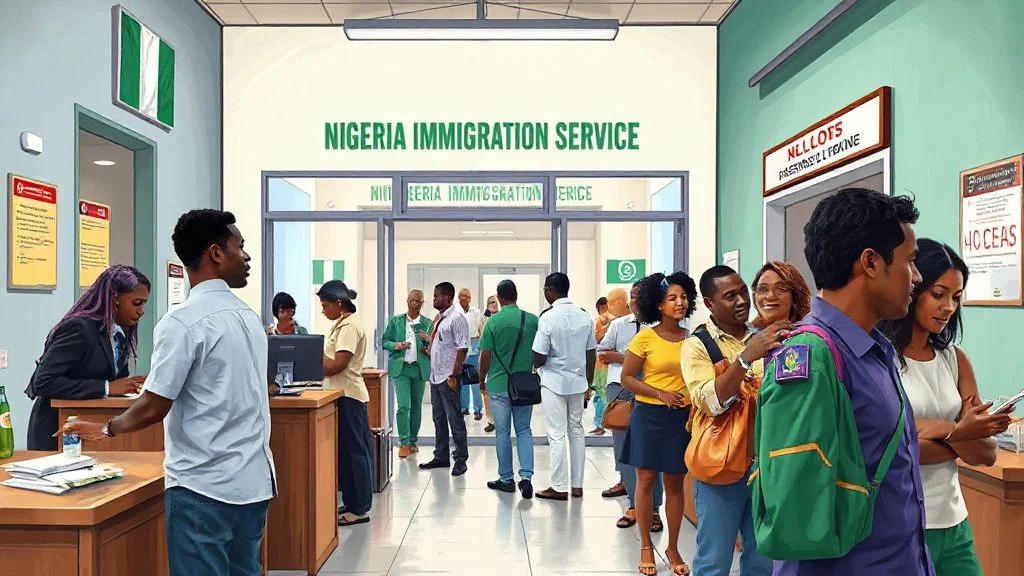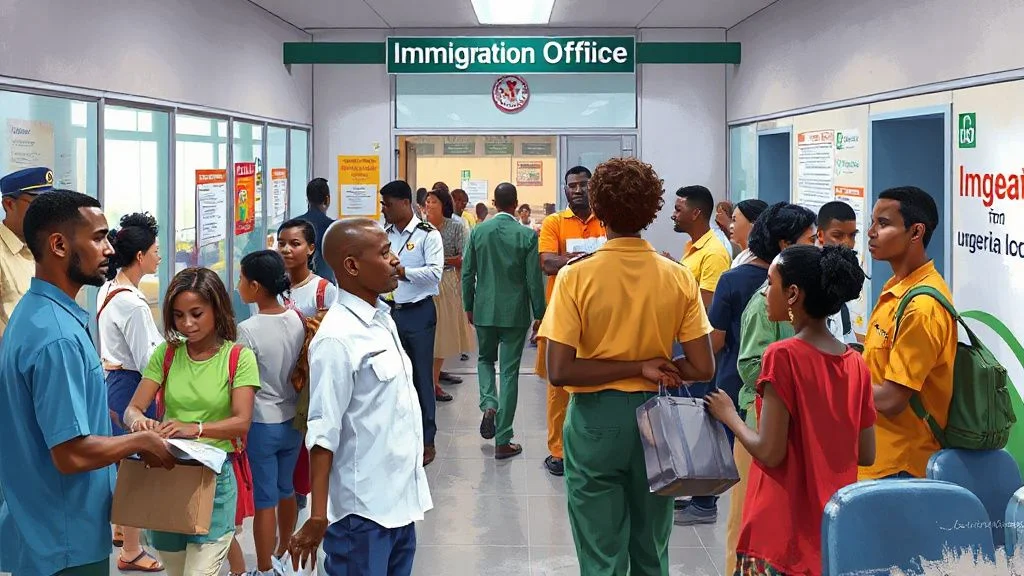
As an expatriate or returning Nigerian in Nigeria, understanding the immigration landscape is crucial, especially when it comes to visa regulations. If you find yourself in a situation where your visa or residency permit has expired, obtaining an exit visa becomes necessary to leave the country legally. This article will delve into the costs associated with obtaining an exit visa for overstayed permit holders, the penalties for overstaying, and practical steps to navigate this process.
What can we help you with?
Three short questions, then just how to reach you. No account needed.
What is an Exit Visa?
An exit visa is a document issued by the Nigerian Immigration Service (NIS) that allows foreign nationals to leave Nigeria legally, especially if they have overstayed their visa or residency permit. The issuance of an exit visa is particularly important for individuals who have not adhered to the stipulated duration of their stay as outlined in their visa or permit. Failure to obtain an exit visa can lead to further complications, including fines and travel bans.
Why You Might Need an Exit Visa
There are several reasons why you may need an exit visa:
- Expired Visa or Permit: If your visa or residency permit has expired, you are required to obtain an exit visa to leave Nigeria legally.
- Overstay Penalties: Overstaying your visa can lead to significant penalties, including daily fines and potential bans on re-entry.
- Compliance with Immigration Laws: Adhering to immigration laws is essential for maintaining a good standing with Nigerian authorities and avoiding future complications.
Cost of an Exit Visa
The cost of obtaining an exit visa for overstayed permit holders can vary based on several factors, including the duration of the overstay and the specific circumstances surrounding your situation. As of the latest updates, the following costs are typically associated with obtaining an exit visa:
Daily Overstay Fines
Foreign nationals who overstay their visas in Nigeria are subject to a daily fine. The Nigeria Immigration Service announced this daily fine on 16 April 2025 and has enforced it since 1 September 2025, after an amnesty window that closed on 1 August 2025 (source: Nigeria Immigration Service, as reported by Guardian Nigeria and Premium Times; re-checked 18 November 2026). The fine is USD 15.00 for each day of overstay. This fine is applicable from the date your visa was supposed to expire until the date you regularize your status or exit the country. For instance, if you overstay for 30 days, you would incur a fine of USD 450.00.
Exit Visa Application Fee
The application fee for an exit visa itself is not explicitly published by the Nigerian Immigration Service, and it is advisable to verify directly with the NIS or your local immigration office for the most accurate and current fee structure. However, it is important to note that additional administrative fees may apply during the application process.
Penalties for Overstaying
In addition to daily fines, there are significant penalties for overstaying your visa in Nigeria:
- Re-entry Bans: Overstaying by six months results in a five-year re-entry ban, while overstaying for one year or more can lead to a ten-year ban. These bans can severely impact your ability to return to Nigeria for work or personal reasons.
- Legal Consequences: Failure to comply with immigration laws can lead to detention, deportation, or other legal actions against you.
Steps to Obtain an Exit Visa
If you find yourself needing an exit visa due to an overstay, follow these steps to ensure a smooth process:
1. Gather Required Documentation
Before applying for an exit visa, ensure you have the following documents ready:
- Your passport with the expired visa or residency permit.
- Proof of payment for any outstanding fines.
- Any additional documentation that may support your application, such as proof of employment or residence in Nigeria.
2. Visit the Nigerian Immigration Service Office
Locate the nearest Nigerian Immigration Service office. It is advisable to go in person to discuss your situation with an immigration officer. They can provide guidance on the specific requirements and fees associated with your exit visa application.
3. Complete the Application Form
Fill out the exit visa application form provided by the NIS. Ensure that all information is accurate and complete to avoid delays in processing.
4. Pay the Required Fees
Make the necessary payments for any fines and the exit visa application fee. Keep receipts as proof of payment, as you may need to present them during the application process.
5. Submit Your Application
Once you have completed the application form and gathered all necessary documentation, submit your application to the immigration officer. They will review your application and inform you of any additional steps or requirements.
6. Wait for Processing
Processing times for exit visas can vary, so be prepared for potential delays. It is advisable to follow up with the immigration office if you do not receive a response within a reasonable timeframe.
Common Reasons for Exit Visa Denial
While many applications for exit visas are approved, there are common reasons why an application might be denied:
- Incomplete Documentation: Failing to provide all required documents can lead to an automatic denial.
- Outstanding Legal Issues: If you have unresolved legal matters in Nigeria, your exit visa may be denied until those issues are resolved.
- Failure to Pay Fines: Not paying the required fines for overstaying can result in denial of your application.
Practical Tips for Expats
For expatriates and returning Nigerians, navigating the immigration landscape can be challenging. Here are some practical tips to help you manage your visa status effectively:
- Stay Informed: Regularly check for updates on immigration policies and procedures from the Nigerian Immigration Service website or local offices.
- Plan Ahead: If you anticipate needing to extend your stay, apply for an extension well before your visa expires to avoid overstaying.
- Seek Professional Advice: If you are unsure about your visa status or the application process, consider consulting with an immigration lawyer or a reputable immigration consultant.
Conclusion
Understanding the costs and processes associated with obtaining an exit visa for overstayed permit holders in Nigeria is essential for expatriates and returning Nigerians. The daily fines for overstaying can accumulate quickly, leading to significant financial burdens. By following the outlined steps and being proactive about your visa status, you can navigate the immigration landscape more effectively and avoid complications. Always verify the latest information with official sources to ensure compliance with Nigerian immigration laws.
Primary Sources
Last updated: November 2026