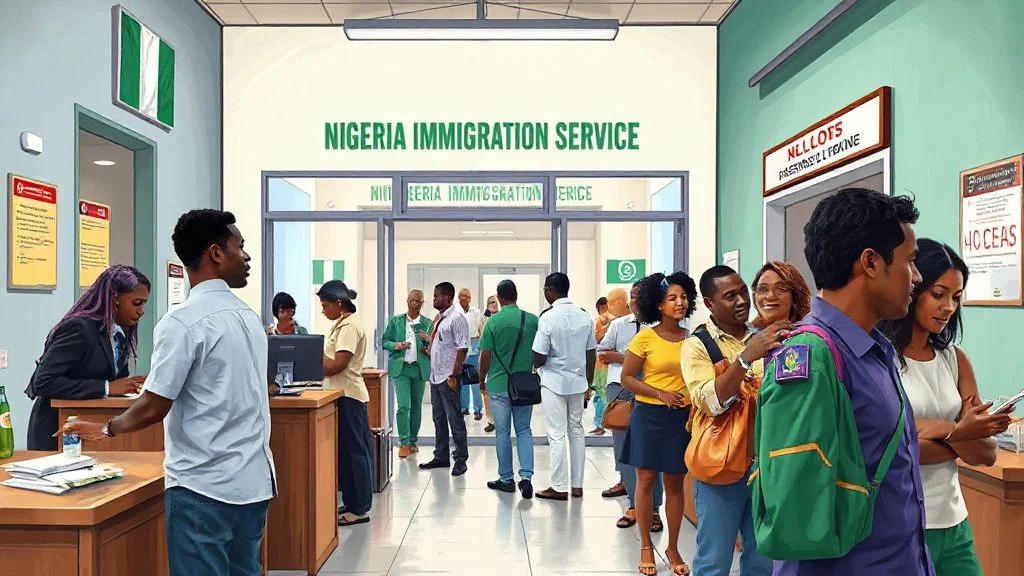
For expatriates living in Nigeria, particularly in bustling cities like Lagos and Abuja, understanding the immigration process is crucial. One important aspect of this process is the monitoring visit by the Nigeria Immigration Service (NIS). Before anything else, a correction that changes what you should do next, because the question in the title rests on a misunderstanding that is very widely shared. A monitoring visit is not something you file, apply for or request. It is an INSPECTION that the Nigeria Immigration Service carries out, and it attaches to the employer rather than to the individual expatriate: under guidelines that took effect on 24 January 2022, an organisation is obliged to submit its company facility to inspection when it applies for new expatriate quota positions or renews existing ones. So there is no counter at which to lodge one. What you do file is the quota application or renewal itself, and that is where the inspection is triggered. This article sets out what is actually filed and where, what the inspection looks at, and how to be ready for it.
What can we help you with?
Three short questions, then just how to reach you. No account needed.
Understanding the Monitoring Visit
A monitoring visit matters to expatriates who hold a Combined Expatriate Residence Permit and Aliens Card, the CERPAC. The expansion of that acronym is worth getting right, because a document described as a Comprehensive permit or an Automated card is not a document anyone in Nigeria issues. This visit is typically conducted by the Nigeria Immigration Service to verify the compliance of expatriates with the terms of their residency permits. The monitoring process is essential for maintaining legal residency in Nigeria and ensuring that expatriates adhere to local laws and regulations.
During the monitoring visit, immigration officials may check various aspects, including the expatriate's employment status, residence address, and adherence to the conditions of their permit. It is vital to prepare adequately for this visit to avoid any complications that could arise from non-compliance.
Where to File for a Monitoring Visit
Filing for a monitoring visit involves submitting an application to the Nigeria Immigration Service. The application can be made at any of their designated offices across Nigeria, including major cities like Lagos and Abuja. Here are the steps to follow:
1. Identify the Nearest Immigration Office
To begin the process, expatriates should locate the nearest Nigeria Immigration Service office. In Lagos, the NIS office is situated at:
- Nigeria Immigration Service, Lagos State Command
1, Ikorodu Road, Anthony, Lagos.
In Abuja, expatriates can visit:
- Nigeria Immigration Service, Federal Capital Territory Command
9, Abidjan Street, Wuse 2, Abuja.
These offices are equipped to handle residency-related inquiries and can provide guidance on the monitoring visit process.
2. Prepare Required Documentation
Before visiting the immigration office, ensure you have all necessary documents ready. Typically, the following documents are required:
- Copy of your CERPAC.
- Valid international passport.
- Proof of residence (such as utility bills or lease agreements).
- Employment verification letter from your employer.
- Any additional documents specified by the immigration office.
Having these documents organized will facilitate a smoother application process.
Application Process for a Monitoring Visit
The application process for a monitoring visit is straightforward but requires attention to detail. Here’s a step-by-step guide:
1. Visit the Immigration Office
Once you have identified the nearest immigration office and gathered your documents, visit the office during working hours. It is advisable to go early in the day to avoid long queues.
2. Fill Out the Application Form
At the immigration office, you will be required to fill out an application form for the monitoring visit. Ensure that all information is accurate and matches the details in your documents. If you are unsure about any section, ask the immigration officers for assistance.
3. Submit Your Application
After completing the application form, submit it along with your supporting documents to the immigration officer. They will review your application and may ask additional questions regarding your residency and employment status.
4. Pay Applicable Fees
There may be fees associated with the monitoring visit application. While specific fees can vary, it is essential to verify the current charges at the immigration office. Typically, fees for residency permits and related services are published by the Nigeria Immigration Service. For instance, the fee for a CERPAC for employed expatriates is $2,000 (2026-10-21) (source: Nigeria Immigration Service, CERPAC page, measured 2026-10-21).
5. Schedule the Monitoring Visit
Once your application is approved, you will be given a date for the monitoring visit. It is crucial to keep this appointment, as failure to do so may result in penalties or complications with your residency status.
What to Expect During the Monitoring Visit
The monitoring visit is typically conducted at your residence or workplace, depending on the specifics of your residency permit. Here’s what you can expect:
1. Verification of Documents
Immigration officers will request to see your CERPAC, passport, and any other relevant documents. They will verify that your residency status is in compliance with Nigerian immigration laws.
2. Interview with Immigration Officers
During the visit, you may be asked questions about your stay in Nigeria, your employment, and your compliance with the terms of your residency permit. It is important to answer truthfully and provide any requested information.
3. Follow-Up Actions
After the monitoring visit, the immigration officers may provide feedback or request additional documentation if necessary. Ensure that you respond promptly to any follow-up requests to maintain your residency status.
Common Challenges and How to Overcome Them
While the monitoring visit process is generally straightforward, expatriates may face challenges. Here are some common issues and tips on how to overcome them:
1. Incomplete Documentation
One of the most common reasons for complications during a monitoring visit is incomplete documentation. To avoid this, double-check that you have all required documents before your visit. Creating a checklist can be helpful.
2. Language Barriers
Language can be a barrier for some expatriates. If you are not fluent in English or local languages, consider bringing a translator or a colleague who can assist you during the visit.
3. Non-Compliance with Residency Terms
Ensure that you are fully compliant with the terms of your CERPAC. This includes maintaining your employment status and adhering to the conditions of your residency. If you anticipate any issues, consult with an immigration lawyer for guidance.
Practical Tips for Expatriates
Here are some insider tips to help expatriates navigate the monitoring visit process smoothly:
1. Stay Informed
Immigration policies can change, so it is essential to stay informed about any updates that may affect your residency status. Regularly check the Nigeria Immigration Service website or consult with your employer’s HR department for the latest information.
2. Build a Relationship with Immigration Officials
Establishing a good rapport with immigration officials can be beneficial. Being respectful and cooperative can lead to a more favorable experience during your monitoring visit.
3. Keep Copies of All Documents
Always keep copies of your CERPAC, passport, and any other relevant documents. This will help you quickly provide information if requested during the monitoring visit.
Conclusion
Filing for a monitoring visit by the Nigeria Immigration Service is a critical process for expatriates living in Nigeria. By understanding where to file, preparing the necessary documentation, and following the application process, you can ensure compliance with immigration regulations. Remember to stay informed about any changes in immigration policies and maintain open communication with immigration officials. With the right preparation, your monitoring visit can be a smooth and straightforward experience.
Primary Sources
Last updated: November 2026