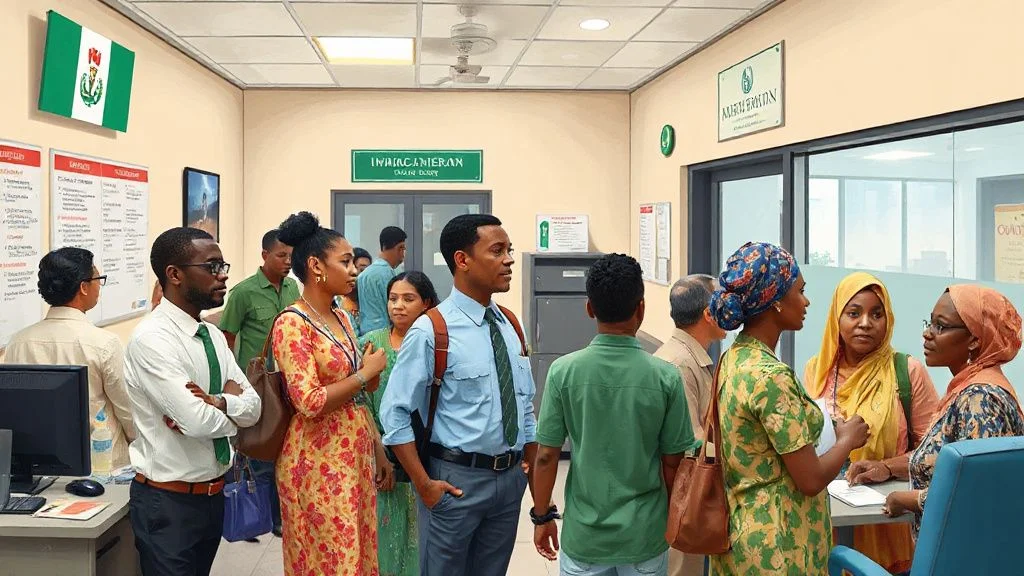
Relocating to Nigeria for a short-term assignment can be an exciting opportunity, but navigating the immigration process can be daunting. This article provides a comprehensive guide on where to file a temporary work permit (TWP) for expatriates planning to work in Nigeria, specifically focusing on the steps involved, required documentation, fees, and potential challenges.
What can we help you with?
Three short questions, then just how to reach you. No account needed.
Understanding the Temporary Work Permit (TWP)
A Temporary Work Permit (TWP) is a special visa designed for expatriates invited to Nigeria to perform specific short-term assignments. This permit is not a general employment visa; it is tailored for individuals with specialized skills needed for particular projects. Common assignments that qualify for a TWP include installation work, feasibility studies, machinery repairs, and research work.
To apply for a TWP, it is essential to understand the eligibility criteria and the application process. Companies or organizations in Nigeria must initiate the application on behalf of the expatriate. This means that if you are an expatriate, your employer in Nigeria will be responsible for filing the necessary paperwork.
Eligibility Criteria for a Temporary Work Permit
To be eligible for a TWP, the following criteria must be met:
- The expatriate must possess specialized skills that are not readily available in the local labor market.
- The hiring company must have a physical presence in Nigeria or be a Nigerian subsidiary of a foreign company.
- The assignment must be clearly defined and limited to a short duration, typically ranging from 2 to 3 months.
It is crucial for the hiring company to demonstrate the necessity of hiring an expatriate by providing evidence of the skills required for the job. This can include job descriptions, project timelines, and any relevant certifications held by the expatriate.
Required Documentation for TWP Application
The application process for a Temporary Work Permit involves submitting several key documents. Below is a list of the essential documents required:
- Data Page of the Expatriate's International Passport: A clear copy of the passport's data page is required.
- Curriculum Vitae: A detailed CV outlining the expatriate's qualifications and work experience.
- Education Certificates: Copies of relevant educational qualifications.
- Letter of Invitation: A formal invitation from the Nigerian company detailing the nature of the assignment.
- Incorporation Documents: Proof of the Nigerian company's registration and incorporation.
- Application for Temporary Work Permit: A completed application form, which can typically be obtained from the Nigerian Immigration Service (NIS) website.
- Evidence of Work to be Performed: Documentation outlining the specific tasks the expatriate will undertake in Nigeria.
- Additional Documents: Any other documents that may be requested by the Nigerian Immigration Service.
It is advisable to prepare these documents in advance to avoid delays in the application process. Ensure that all documents are accurate and up-to-date, as discrepancies can lead to rejection.
Application Process for a Temporary Work Permit
The application process for a TWP involves several steps:
- Company Application for TWP Cablegram: The Nigerian company must apply for a TWP Cablegram from the Comptroller General of Immigration. This Cablegram is a crucial document that authorizes the issuance of the TWP visa.
- Submission of Documents: Once the Cablegram is approved, the company must submit the required documents to the relevant Nigerian Embassy or High Commission in the expatriate's home country. This submission includes the TWP application form and all supporting documents.
- Visa Issuance: after reviewing the application, the Nigerian mission issues the TWP visa if all conditions are met. The Immigration Service has moved this stage online: the application and the payment now go through its portal before anyone travels, and approvals are sent by e-mail rather than collected over a counter. Reported turnaround at the approval stage is short, within a couple of days of receipt, so when you build your schedule, put the slack in front of the pre-approval step rather than behind the e-mail.
- Arrival in Nigeria: Upon arrival, the expatriate must present the TWP visa and any other required documentation to immigration officials at the point of entry.
It is important to note that the TWP visa is typically valid for a period of 2 to 3 months, and the exact duration of stay will be stamped on the expatriate's passport upon entry into Nigeria.
Fees Associated with the Temporary Work Permit
Filing for a Temporary Work Permit incurs certain fees, which vary based on the type of permit and the expatriate's circumstances. The following fees are typically applicable:
- Temporary Work Permit Fee: no figure is quoted here, and the reason is worth a minute of your time. The Immigration Service renders the fee on its own Temporary Work Permit page from a live table rather than publishing a fixed amount, and Nigerian visa fees vary by nationality on a reciprocity basis, so a single number could not be right for every reader in any case. Worse, the figures that circulate for a TWP are often one of two other things: the CERPAC residence permit fee, which is a different document for a different purpose, or a proposed rate from a visa policy paper that was never confirmed. Take the amount from the Immigration Service portal at the moment you apply, or from the Nigerian mission that will issue the visa, and keep the receipt.
- Additional Costs: There may be additional costs for document processing, legal fees, or other administrative expenses, which can vary by company.
It is advisable to verify the latest fee structure with the Nigerian Immigration Service or the relevant embassy, as fees may change over time.
Common Reasons for Rejection and How to Avoid Them
Applications for Temporary Work Permits can be rejected for various reasons. Understanding these common pitfalls can help ensure a smoother application process:
- Incomplete Documentation: Ensure that all required documents are submitted in full and are accurate. Missing or incorrect documents are a frequent cause of rejection.
- Lack of Justification: Clearly articulate the necessity of hiring an expatriate. Provide detailed descriptions of the skills required and why they are not available locally.
- Failure to Follow Procedures: Adhere strictly to the application process outlined by the Nigerian Immigration Service. Any deviation can lead to delays or rejection.
To avoid these issues, it is beneficial to consult with immigration experts or legal advisors who specialize in Nigerian immigration law.
Practical Tips for Expatriates
Here are some insider tips for expatriates applying for a Temporary Work Permit in Nigeria:
- Start Early: Begin the application process as soon as possible. The entire process can take several weeks, so allow ample time for approvals and potential delays.
- Maintain Communication: Keep in regular contact with your employer in Nigeria to ensure that all documentation is in order and that the application is progressing smoothly.
- Stay Informed: Immigration policies can change frequently. Regularly check the Nigerian Immigration Service website or consult with your employer for the latest updates.
- Prepare for Arrival: Familiarize yourself with Nigerian customs and regulations. Understanding local laws and cultural norms can help ease your transition.
Contact Information for Relevant Embassies and Immigration Offices
For further assistance, expatriates can contact the following:
- Nigerian Immigration Service: Visit their official website for comprehensive information on immigration policies and procedures.
- Nigerian Embassy or High Commission: Locate the nearest Nigerian diplomatic mission for assistance with visa applications and other consular services.
Conclusion
Filing for a Temporary Work Permit in Nigeria involves a detailed process that requires careful preparation and adherence to regulations. By understanding the eligibility criteria, gathering the necessary documentation, and following the application steps, expatriates can successfully navigate this process. Remember to stay informed about any changes in immigration policies and seek assistance when needed to ensure a smooth transition to your assignment in Nigeria.
Primary Sources
Last updated: November 2026