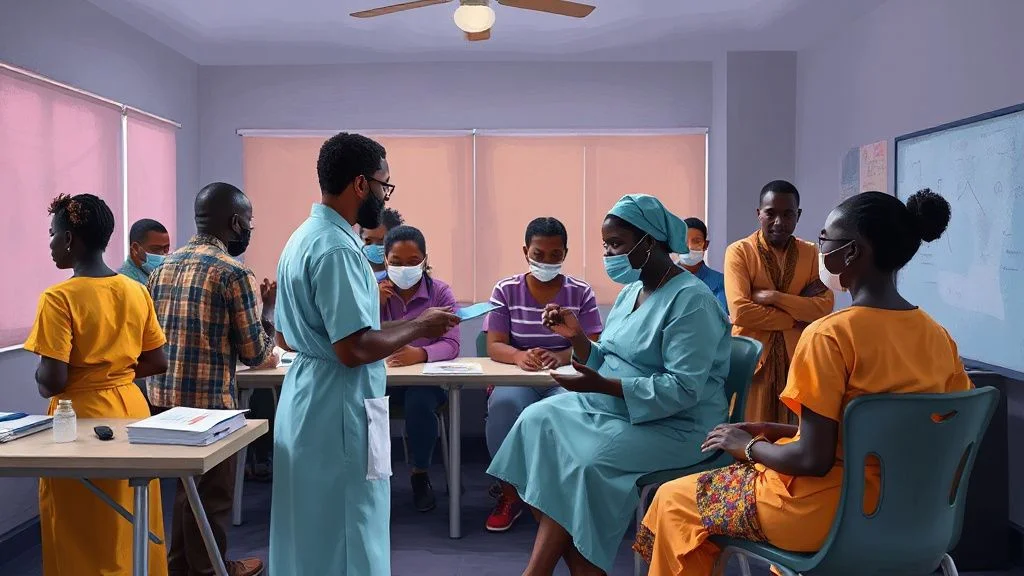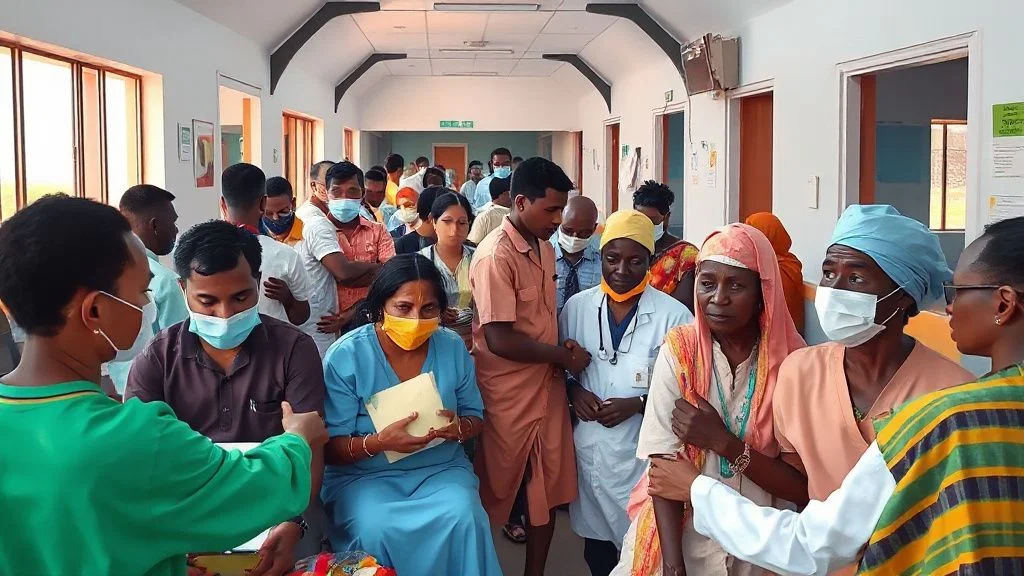
Relocating to Nigeria can be an exciting adventure filled with new opportunities. However, understanding what to do if you or a loved one becomes seriously ill is crucial. This guide will provide expatriates with practical options for navigating healthcare in Nigeria, specifically in cities like Lagos and Abuja, where the expat community is thriving. From local healthcare facilities to insurance considerations and emergency logistics, this article covers everything you need to know.
What can we help you with?
Three short questions, then just how to reach you. No account needed.
Healthcare Infrastructure in Nigeria
Nigeria's healthcare system has its strengths and weaknesses. Major cities like Lagos and Abuja boast several private hospitals and clinics that offer services comparable to those found in Western countries. For instance, facilities such as Lagoon Hospital in Lagos and the National Hospital in Abuja provide advanced care and are equipped with modern medical technology. However, the overall quality of healthcare in Nigeria can vary significantly from one facility to another, so it’s crucial to do your research.
In general, public hospitals often suffer from overcrowding, limited resources, and long wait times. Private hospitals tend to be more reliable but can be costly. Typically, expats choose private healthcare options due to the higher quality of service. Ensure to verify the hospital's accreditation and read reviews from other expatriates to assess the quality of care.
Health Insurance Considerations
Having adequate health insurance is critical for expatriates living in Nigeria. Many international companies provide health insurance as part of their employment packages, but it's essential to understand the specifics of your coverage. Expatriates should seek comprehensive health insurance that covers a wide range of services, including hospitalization, outpatient consultations, and emergency evacuation.
Several insurance providers specialize in expat health insurance. Options typically include coverage for both local and international medical facilities, which is crucial if you need to be evacuated for advanced treatment. For specific conditions or emergencies, the evacuation can be to a neighboring country with better healthcare facilities. Always verify the terms of your policy, including any exclusions or limitations regarding pre-existing conditions.
Emergency Services and Logistics
If you find yourself in a medical emergency, knowing how to access emergency services is vital. In Lagos and Abuja, you can dial 112 for emergency assistance. However, the response time may vary due to traffic and infrastructure challenges. Therefore, it’s wise to have the contact information of nearby hospitals on hand for direct access.
When moving to Nigeria, consider establishing a relationship with a local driver or using reliable transportation services. This can ensure that you have quick access to medical facilities in case of an emergency. Additionally, familiarize yourself with the fastest routes to major hospitals to avoid delays in critical situations.
Common Health Issues Among Expats
Expatriates in Nigeria may encounter health issues related to the tropical climate and environmental conditions. Malaria is a prevalent concern, especially during the rainy season, and preventive measures should be taken seriously. Using mosquito nets, insect repellent, and taking prophylactic medication are common practices among expats.
Another health risk is food and waterborne illnesses. It's advisable to drink bottled or treated water and to eat at reputable restaurants to minimize the risk of gastrointestinal ailments. Familiarize yourself with local hygiene standards and be cautious about street food. Additionally, routine vaccinations may be necessary, so consult a healthcare provider to ensure your immunizations are up to date.
What to Do in Case of a Serious Illness
If you or a family member becomes seriously ill, the first step is to seek medical attention immediately. If you are in Lagos or Abuja, locate a reputable private hospital and head there without delay. Ensure that your health insurance details are readily accessible, as hospitals may require upfront payment or guarantee of coverage before treatment.
In cases where a quick recovery is not possible, expatriates may consider flying back to their home country for treatment. Ensure you understand your insurance policy regarding repatriation and the logistics involved in arranging flights and accommodations. Always consult with your insurance provider beforehand to avoid unexpected costs.
Practical Tips for Expats
Here are some practical tips to help expatriates navigate the healthcare landscape in Nigeria:
- Research hospitals: Before an emergency arises, compile a list of nearby hospitals, their specialties, and contact numbers.
- Join expat groups: Engage with local expat communities online or in-person to gain insights about healthcare experiences and recommendations.
- Keep a medical kit: Have a well-stocked first-aid kit at home, including medications for common ailments like headaches, allergies, and minor injuries.
- Stay connected: Maintain communication with your family and friends back home. They may provide support and assistance in times of need.
- Educate yourself: Stay informed about prevalent health issues in Nigeria and preventive measures you can take to protect yourself and your family.
Conclusion
Experiencing serious illness while living in Nigeria can be daunting, but understanding the healthcare options available can significantly ease the stress. By familiarizing yourself with local healthcare facilities, ensuring comprehensive insurance coverage, and having clear emergency plans in place, you can better navigate health challenges as an expatriate. Remember to stay proactive about your health, and don't hesitate to seek help when needed. Embrace the vibrant life in Nigeria while being prepared for any medical emergencies that may arise.
Primary Sources
Last updated: October 2026