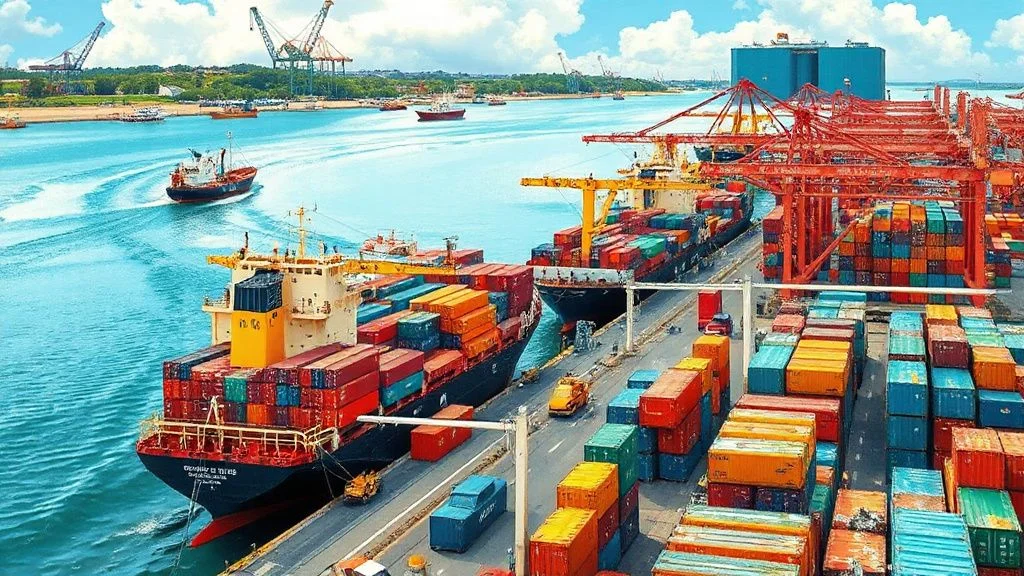
Relocating to Nigeria, particularly to bustling cities like Lagos or Abuja, can be a daunting task for expatriates. One area that often creates confusion is the logistics of importing goods through Nigerian ports. Particularly, the challenge lies in the Nigerian Ports Authority (NPA) not currently publishing updated tariff schedules, which leads to uncertainty on how forwarders calculate port dues. This article will unravel how freight forwarders navigate this complex landscape and provide you with actionable insights.
What can we help you with?
Three short questions, then just how to reach you. No account needed.
The Role of the Nigerian Ports Authority
The Nigerian Ports Authority is responsible for overseeing port operations, including the management of tariffs and port dues. Typically, these tariffs cover various charges associated with docking, loading, and unloading cargo. However, as of now, the NPA has not published a current tariff schedule, creating a vacuum of information that can complicate the logistics process for international professionals and returning Nigerians.
Without a clear tariff structure, freight forwarders must rely on historical data, industry practices, and sometimes their own estimations to quote port dues. This situation can lead to discrepancies in pricing, making it essential for expatriates to understand how these charges are calculated and what to expect when engaging logistics services.
How Freight Forwarders Quote Port Dues
Freight forwarders are pivotal in ensuring that cargo moves smoothly through ports. When there’s no published tariff, they typically utilize several methods to estimate port dues:
Historical Tariff Data
Many freight forwarders keep records of previous tariffs and charges that were applicable before the NPA's current hiatus on publishing updates. They use this historical data as a reference point to calculate likely charges. For instance, a forwarder might use previous service charge figures as a baseline, adjusting for inflation or other market conditions.
Industry Standards and Benchmarks
Freight forwarders also reference industry standards. They may consult with peers in the logistics field to gauge typical charges for similar services. This practice helps create a more competitive pricing structure and ensures that they are not significantly overcharging clients.
Negotiation and Customization
Another common method is negotiation. Forwarders often have relationships with port authorities and terminal operators, allowing them to negotiate better rates or gain insights into potential charges. This is particularly advantageous for larger shipments or frequent importers who may have leverage to negotiate better terms.
Understanding Specific Charges
Despite the absence of a clear tariff structure, there are several specific charges that you can expect when shipping goods through Nigerian ports:
Stevedoring Charges
Stevedoring involves the loading and unloading of cargo from vessels. Charges for these services can vary significantly based on the size of the cargo and the type of vessel. Typically, stevedoring fees are part of cargo dues and may include various components, such as facility charges based on tonnage.
Berth Rent and Mooring Dues
When vessels dock at a port, they incur berth rent and mooring dues. These charges can accumulate quickly, especially if there are delays in unloading cargo. If your freight forwarder does not account for these potential charges, it could lead to unexpected costs.
Practical Tips for Expatriates
Understanding the logistics of port dues is crucial for expatriates and returning Nigerians. Here are some practical tips to navigate this complex landscape:
Work with Reputable Freight Forwarders
Choosing a reputable freight forwarder who has extensive experience in Nigerian ports can make a significant difference. They will know the ins and outs of the system and can provide you with accurate estimates based on their previous dealings. Look for forwarders who are transparent about their pricing methods and provide detailed breakdowns of the charges involved.
Stay Informed on Port Operations
Keep abreast of any updates from the Nigerian Ports Authority or relevant government bodies. While they may not publish current tariffs, they could announce changes in regulations or operational guidelines that could impact your shipping processes. Engaging with local expat communities or online forums can be beneficial for sharing experiences and insights.
Plan for Contingencies
Given the unpredictability of port dues, it’s wise to budget for potential additional charges. Always factor in a contingency amount when planning your logistics to prevent any surprises. A good rule of thumb is to allocate an additional 10-15% of your estimated shipping costs for unforeseen expenses.
Conclusion
Navigating the complexities of port dues in Nigeria can be challenging, especially with the lack of current tariff publications from the Nigerian Ports Authority. However, by understanding how freight forwarders quote these dues, keeping informed about industry standards, and employing practical strategies, expatriates can better manage their logistics needs. Establishing a good relationship with a reliable forwarder and staying proactive will ensure a smoother transition as you settle into life in Nigeria.
Primary Sources
Last updated: October 2026