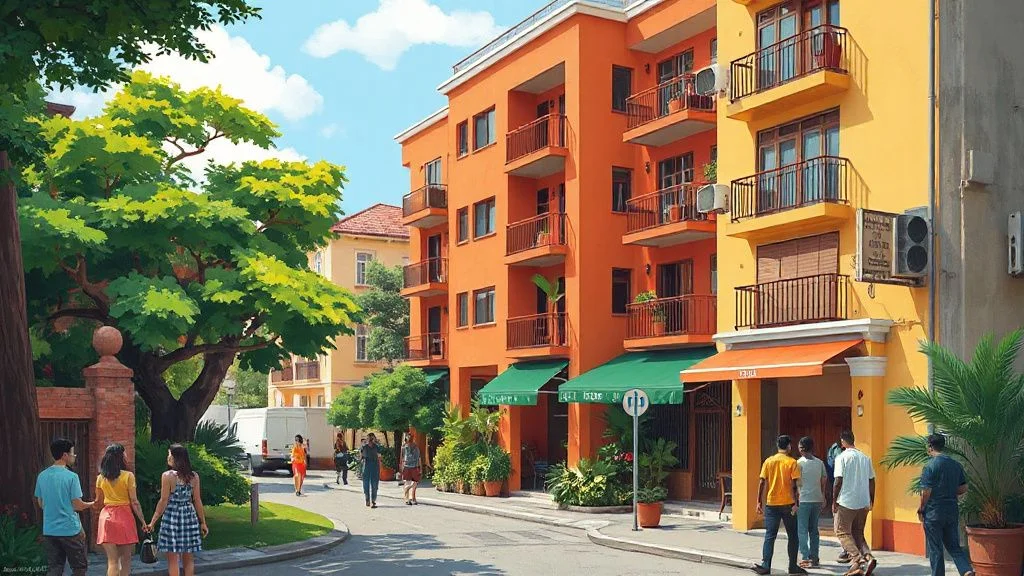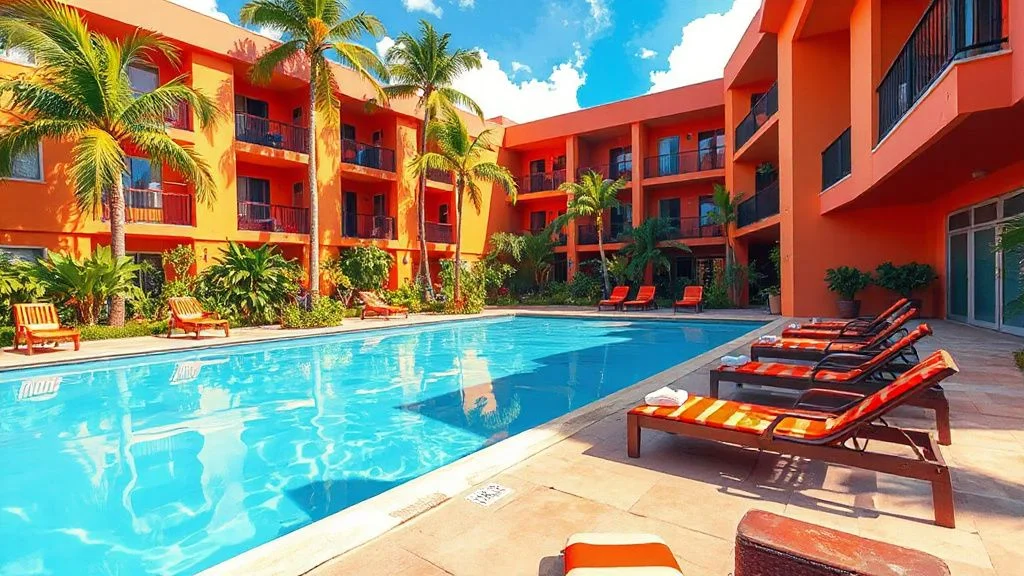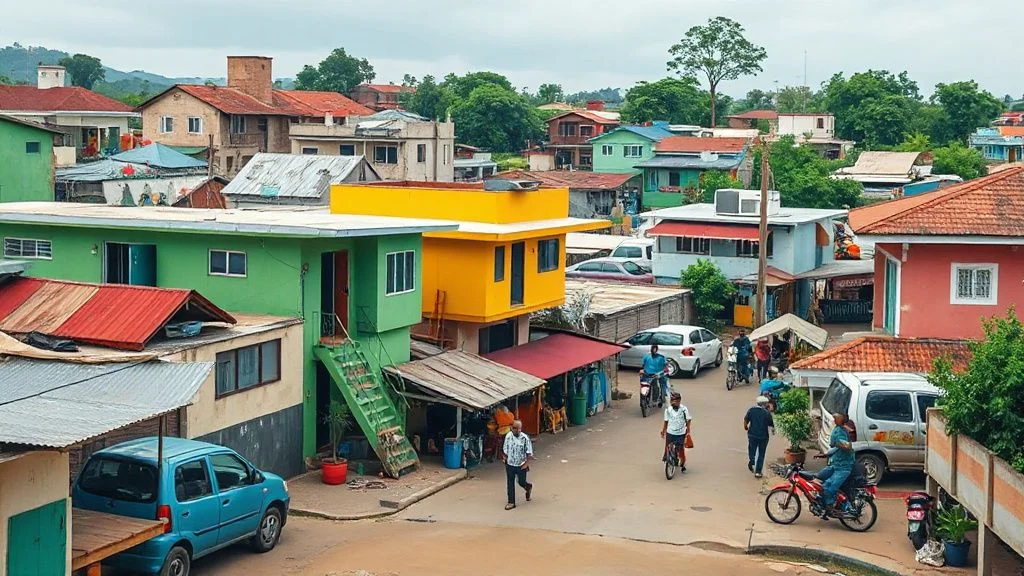
As short-term rentals gain popularity in Nigeria, especially in bustling cities like Lagos and Abuja, understanding the legal landscape is crucial for both hosts and guests. This article outlines the legal rules governing Airbnb and similar platforms in Nigeria, providing actionable insights for expatriates and returning Nigerians looking to navigate this growing market.
What can we help you with?
Three short questions, then just how to reach you. No account needed.
Overview of Short-Term Rentals in Nigeria
Short-term rentals in Nigeria, commonly referred to as "shortlets," have emerged as a significant segment of the hospitality industry. They cater to tourists, expatriates, and returning Nigerians seeking temporary accommodation. Typically, these rentals are available for stays ranging from a few days to several months, with platforms like Airbnb and Booking.com leading the charge. With the demand for flexible lodging, it's essential for potential hosts to understand the legal requirements that govern these rentals.
In cities like Lagos and Abuja, where tourism and business activities are booming, short-term rentals can significantly contribute to local economies. As of 2023, the income generated from these rentals has added substantial revenue to the national treasury, reflecting their importance in the Nigerian hospitality sector.
Legal Framework for Short-Term Rentals
National Regulations
In Nigeria, short-term rentals fall under a mix of federal and state regulations. Although there is no single national law specifically governing Airbnb rentals, several general rules apply. Hosts must typically register their rental business with the Corporate Affairs Commission (CAC) to operate legally. This step establishes the host as a recognized entity and ensures compliance with local business regulations.
Additionally, obtaining a Tax Identification Number (TIN) from the Federal Inland Revenue Service (FIRS) is essential for tax compliance. Hosts are required to pay taxes on their rental income, including Value Added Tax (VAT). Understanding these financial obligations helps hosts avoid penalties and ensures they operate within the law.
State and Local Requirements
While national regulations provide a general framework, specific requirements can vary significantly by state and locality. For instance, in Lagos, certain areas have stricter enforcement of hospitality rules, including obtaining permits from local authorities or homeowners' associations. In some neighborhoods, such as Ikoyi and Victoria Island, regulations may be even more stringent, with property owners needing to comply with estate rules regarding short-term rentals.
Hosts should verify local laws and consult with legal professionals to ensure they adhere to all requirements in their specific area. This diligence can prevent issues such as lease termination or fines from local authorities.
Subletting and Guest Regulations
Is Subletting Allowed?
Subletting is generally permitted in Nigeria, but it comes with specific conditions. For short-term rentals, tenants must obtain written consent from their landlords before listing a property on platforms like Airbnb. This requirement is crucial, as failure to secure permission can lead to legal disputes and potential eviction.
It's also important to note that in urban areas, particularly in Lagos, tenants may need additional approvals from local governing bodies or homeowners' associations. This means that even if subletting is legally allowed, tenants must still navigate the local approval processes.
Guest Regulations
As of early 2026, there is no official limit on the maximum duration a guest can stay in a short-term rental in Nigeria. However, many hosts informally adopt a guideline suggesting a maximum stay of 90 days. This practice helps manage expectations and aligns with typical tourist behavior, which is generally geared towards shorter stays.
Safety and Compliance Standards
Health and Safety Requirements
Hosts must ensure that their properties meet safety standards as outlined in the National Building Code. This includes maintaining structural integrity, providing adequate fire safety measures, and ensuring that all amenities, such as electricity and plumbing, are functional. Given Nigeria's unreliable power supply, having a backup generator or inverter is often seen as a necessity for providing a satisfactory guest experience.
Compliance with these safety standards not only protects guests but also enhances the property’s reputation, leading to positive reviews and repeat business. It is advisable for hosts to conduct regular maintenance checks and keep records of safety inspections.
Documentation and Agreements
Even for short-term rentals, establishing a written agreement is critical. This agreement should outline the terms of occupancy, including the duration of stay, rental fees, and house rules. Clear documentation helps prevent misunderstandings and serves as a legal safeguard for both hosts and guests.
What Expats Should Know
For expatriates considering hosting a short-term rental in Nigeria, it's essential to familiarize yourself with the local culture and market dynamics. Understanding the preferences of international guests can help enhance your property's appeal. For instance, properties with reliable electricity, good security, and easy access to local amenities tend to attract more bookings.
Additionally, being aware of peak seasons, such as December holidays, can help hosts set competitive pricing and prepare for increased demand. Many diaspora guests plan their visits well in advance, so it's beneficial to adjust pricing early to capitalize on this trend.
Conclusion
Navigating the legal landscape of Airbnb short-term rentals in Nigeria requires understanding both national and local regulations. By registering your business, adhering to tax obligations, and ensuring compliance with safety standards, you can operate your rental legally and successfully. For expatriates, being culturally aware and prepared for the unique market demands will enhance your hosting experience. With the right approach, short-term rentals can be both a profitable venture and a rewarding way to connect with travelers from around the world.
Primary Sources
Last updated: October 2026