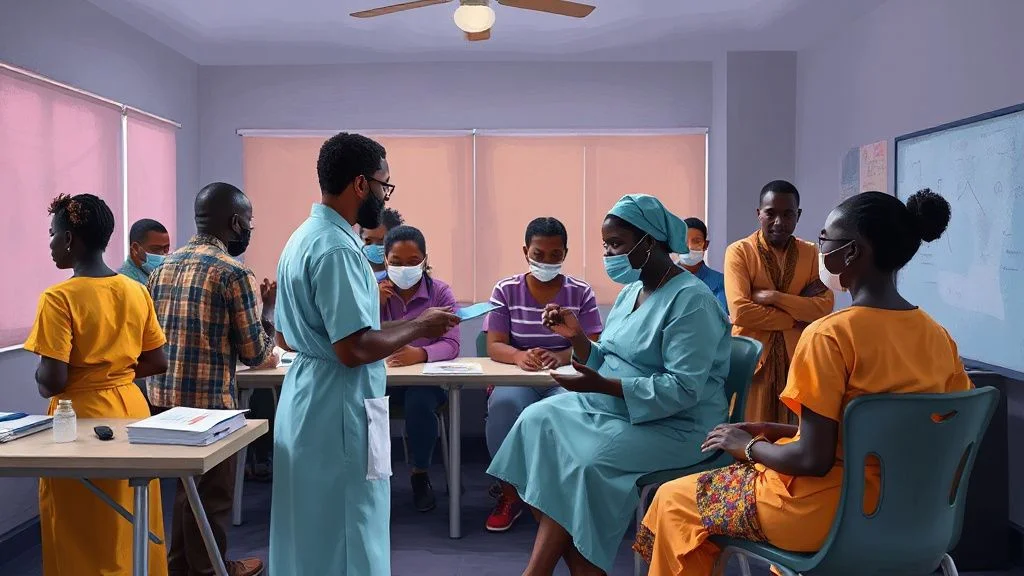
Health screening and preventive checkups are crucial components of maintaining well-being, especially for expatriates and returning Nigerians in Nigeria's urban centers like Lagos and Abuja. This guide will provide you with practical information on what to expect from health screenings, types of preventive checkups available, and tips for navigating the healthcare system in Nigeria.
What can we help you with?
Three short questions, then just how to reach you. No account needed.
Understanding the Importance of Health Screenings
Health screenings serve as a proactive approach to identifying potential health issues before they develop into more serious conditions. In Nigeria, where healthcare infrastructure can be challenged, regular screenings can be the difference between early detection and late diagnosis. For expatriates and returning Nigerians, understanding local health practices can ease the transition into the healthcare system.
Typically, health screenings include tests for blood pressure, cholesterol levels, diabetes, and other chronic conditions. These screenings are vital for recognizing risk factors that could lead to more severe health problems if left unchecked. In Nigeria, community health initiatives often provide free or low-cost screening services, making it easier for residents to access necessary care.
Common Preventive Checkups
Preventive checkups in Nigeria typically encompass a range of tests depending on age, gender, and lifestyle. For adults aged 18-39, annual checkups often include:
- Blood pressure measurement
- Weight and BMI assessment
- Mental health screenings
- HIV and STI testing, especially for sexually active individuals
For individuals aged 40 and above, additional screenings may include:
- Cholesterol and glucose testing
- Prostate exams for men
- Mammograms for women
- Colon cancer screenings
Where to Access Health Screenings
Several hospitals and health clinics in Nigeria offer health screenings. Major cities like Lagos and Abuja have both public and private healthcare facilities that provide preventive care services. Private hospitals, such as Saint Nicholas Hospital in Lagos, are known for their comprehensive health checkup packages that cater to expatriates and returning Nigerians.
Additionally, community health fairs often organized by non-profit organizations provide free screenings. For instance, the RISE Clinic hosts community health screenings that identify individuals at risk for diseases like diabetes and hypertension. These events not only offer testing but also provide education on health maintenance.
Costs of Health Screenings
The cost of health screenings in Nigeria can vary widely based on the facility and the services included. Typically, a full health checkup in a private hospital may cost approximately 20,000 NGN to 50,000 NGN (roughly $15 to $37.50). Public health facilities may offer these services at a lower cost or even for free during community outreach events.
For expatriates, it is advisable to check if your health insurance covers preventive checkups, as many insurance plans do include provisions for routine screenings. This can significantly alleviate out-of-pocket expenses associated with healthcare in Nigeria.
Cultural Nuances and Adaptation
Understanding cultural attitudes towards health and well-being is crucial for expatriates. In Nigeria, there may be a preference for traditional medicine alongside Western medical practices. It is common for individuals to seek herbal remedies or consult traditional healers before seeking conventional medical advice.
When visiting a healthcare facility, patience is often necessary due to varying wait times and the volume of patients. Expatriates should also be prepared for the possibility of language barriers, though many healthcare professionals in urban areas speak English.
Health Insurance and Accessibility
Securing health insurance can provide peace of mind as you navigate the healthcare system. Many expatriates opt for international health insurance plans that cover a broad range of services, including preventive checkups. Understanding the details of your insurance policy is essential, including any pre-authorization requirements for specific tests or treatments.
In Lagos and Abuja, several insurance providers offer tailored plans for expatriates. It is beneficial to compare different plans to find one that meets your needs, including coverage for preventive screenings and access to reputable healthcare providers.
Practical Tips for Expatriates
When relocating to Nigeria or returning after years abroad, it’s essential to be proactive about your health. Here are some insider tips:
- Schedule Regular Checkups: Make a habit of scheduling annual checkups. This will help you stay on top of your health and catch any issues early.
- Utilize Community Resources: Take advantage of community health fairs and screenings. They often provide valuable services at little to no cost.
- Know Your Medical History: Be prepared to discuss your medical history with healthcare providers, including any chronic conditions or medications you are taking.
- Build Relationships with Local Providers: Establishing a rapport with local doctors can enhance your healthcare experience. They can provide tailored advice and help you navigate the system more effectively.
- Stay Informed: Keep up-to-date with local health advisories and changes in the healthcare landscape that may affect your access to services.
Conclusion
Health screenings and preventive checkups are vital components of maintaining health for expatriates and returning Nigerians. By understanding the types of screenings available, where to access them, and the associated costs, you can take proactive steps towards your well-being. Embrace the local healthcare culture, and don't hesitate to utilize community resources that can offer essential services. Regular health checkups can help you live a healthier, more vibrant life in Nigeria.
Exchange rate used in this article: 1 USD = 1334.7233 NGN (rate as of 2026-10-22T04:40:21.543396+00:00, source: Central Bank of Nigeria (CBN)).
Primary Sources
Last updated: October 2026