Relocating to Nigeria can be an exciting yet challenging experience, especially when it comes to ensuring your children receive a quality education. This guide will walk you through the essential steps for registering your children for school after arriving in Nigeria, focusing on practical advice, cultural nuances, and the various schooling options available in cities like Lagos and Abuja.
What can we help you with?
Three short questions, then just how to reach you. No account needed.
Understanding the Nigerian Education System
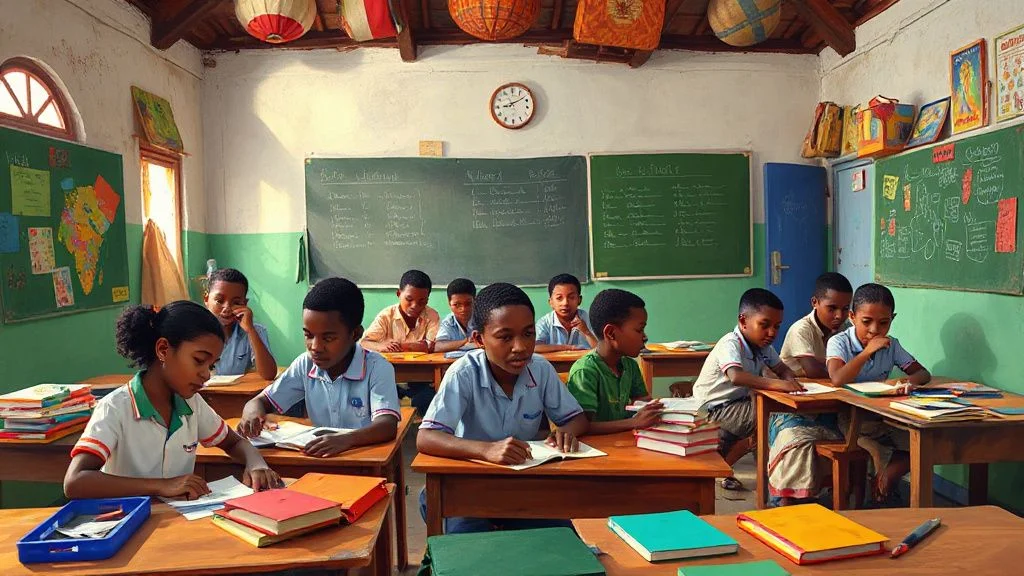
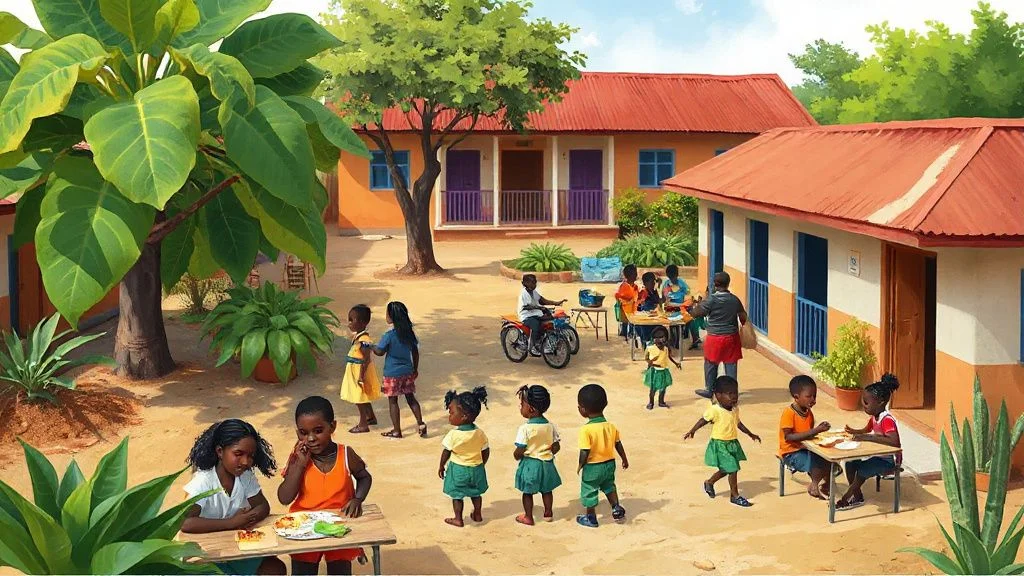
The Nigerian education system is divided into several levels: primary, secondary, and tertiary education. Primary education generally provides a foundational level of learning, followed by junior secondary school and senior secondary school. The system is structured to provide a solid foundation for students, but the quality can vary significantly between public and private institutions.
As an expatriate or returning Nigerian, you may find that international schools offer a curriculum more aligned with what you are accustomed to, such as the British or American systems. These schools often provide a more familiar environment for your children, including extracurricular activities and support for non-Nigerian students.
Choosing the Right School
When selecting a school for your children, consider factors such as location, curriculum, fees, and the school's reputation. In Lagos, several neighborhoods are known for their high-quality international schools. In Abuja, various areas also host several reputable institutions.
It’s advisable to visit potential schools to get a feel for the environment and speak with administrators about their programs. Many schools offer open days or tours, which can provide valuable insights into their facilities and teaching methodologies. Additionally, connecting with other expatriate families can help you gather recommendations and experiences regarding various schools.
Registration Process
Once you have selected a school, the registration process typically involves several steps. First, you will need to fill out an application form, which can often be found on the school’s website. This form usually requires basic information about your child, including their age, previous school experience, and any special needs they may have.
Next, you will likely need to provide documentation such as birth certificates, previous school records, and medical records. Ensure that these documents are translated into English if they are in another language. Some schools may also require a letter of recommendation from your child’s previous school, so it’s wise to request this before leaving your home country.
Understanding Fees and Costs
Tuition fees for international schools in Nigeria can vary widely, depending on the institution and the grade level. Keep in mind that additional costs may include uniforms, textbooks, and extracurricular activities. Understanding the total cost of education will help you budget effectively.
While some schools may offer payment plans, others may require full payment upfront. It’s essential to clarify the payment structure and any potential discounts for siblings or early payments. Additionally, consider the exchange rate fluctuations, as you will be converting your funds from USD to NGN. The exchange rate can impact your overall budget, so it’s wise to stay informed about current rates.
Adapting to Cultural Nuances
As you navigate the school registration process, be aware of cultural differences that may affect your experience. Nigerian schools often emphasize respect for teachers and elders, which may differ from the more informal educational environments in Western countries. Encourage your children to embrace these cultural aspects, as it will help them integrate more smoothly into their new surroundings.
Additionally, be prepared for a more communal approach to education. Schools may encourage parental involvement through events, meetings, and volunteer opportunities. Engaging with the school community can provide valuable support and help your children make friends more easily.
Practical Tips for Expatriates
Here are some insider tips to help you navigate the school registration process and ensure a smooth transition for your children:
- Start Early: Begin the registration process as soon as you arrive in Nigeria. Some schools have limited spots, and early registration can secure a place for your child.
- Network with Other Parents: Join expatriate groups on social media platforms or local community forums. Other parents can provide insights into the best schools and share their experiences.
- Be Flexible: Understand that the registration process may not always follow a strict timeline. Patience and flexibility can go a long way in easing any frustrations.
- Explore Extracurricular Activities: Many schools offer a variety of extracurricular programs, from sports to arts. Encourage your children to participate, as this can help them adapt and make new friends.
- Consider Language Support: If your child is not fluent in English, inquire about language support programs. Many international schools offer English as a Second Language (ESL) classes to help non-native speakers.
Conclusion
Registering your children for school in Nigeria involves understanding the local education system, choosing the right school, and navigating the registration process. By being proactive and informed, you can ensure a positive educational experience for your children. Embrace the cultural nuances and engage with the community, as this will enrich your family's experience in Nigeria. With the right preparation, your children can thrive in their new environment, making the transition smoother for everyone involved.
Last updated: October 2026