Living in Lagos, Nigeria, offers a vibrant culture and numerous opportunities, but the challenge of reliable electricity can be daunting for expatriates and returning Nigerians alike. In 2026, the state of electricity in Lagos remains an evolving topic, marked by frequent load shedding and infrastructural challenges. This article will provide an in-depth look at the reliability of electricity in Lagos, the frequency of load shedding, and practical advice for managing power supply interruptions.
What can we help you with?
Three short questions, then just how to reach you. No account needed.
Current Electricity Landscape in Lagos
As of 2026, Lagos continues to grapple with significant electricity supply issues. The city's power generation capacity is limited, with actual generation hovering around 6,773 MW, far below the estimated requirement of 30,000 to 100,000 MW for optimal operation. While the implementation of the Electricity Act 2023 aimed to decentralize the power sector and increase access, the reality remains that only about 50% of Nigeria's population, including Lagosians, have consistent access to electricity.
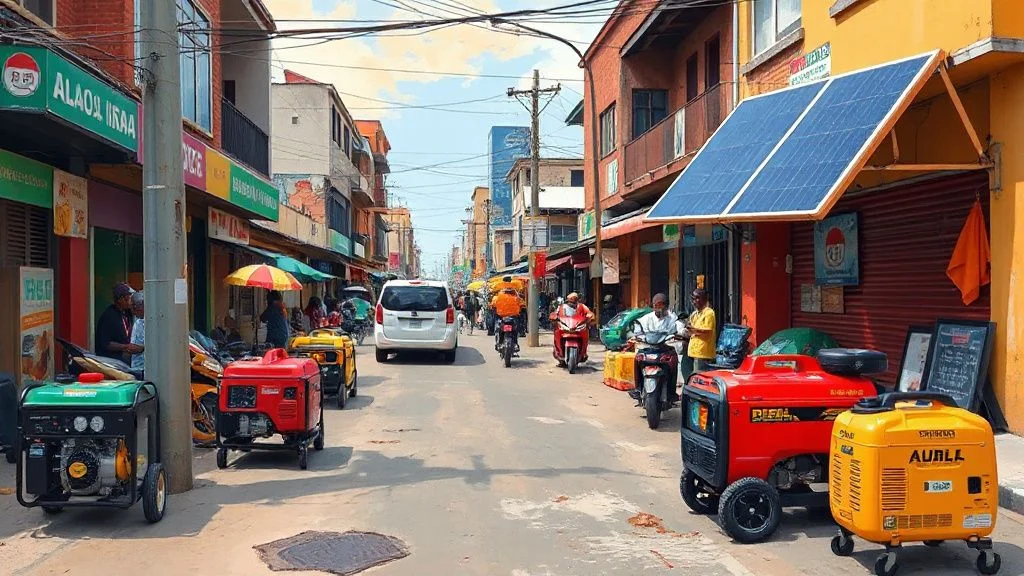
Expatriates moving to Lagos may find this landscape challenging. For instance, you may experience power outages that disrupt your daily routine or work-from-home arrangements. Residents typically rely on alternative power sources, such as generators and inverters, as the grid supply is often unpredictable. This situation not only affects household life but also impacts businesses, educational institutions, and healthcare facilities that depend heavily on stable electricity.
Frequency of Load Shedding in Lagos
Load shedding in Lagos, especially in 2026, has become a common occurrence. The frequency of power outages can vary significantly depending on the area and the time of year. On average, residents can expect to experience power interruptions several times a week, with some areas facing daily outages lasting from a few hours to an entire day. This unpredictability can be especially frustrating for newcomers accustomed to more reliable electricity supply in countries like the UK or North America.
For example, a typical day might see power available for only 12-18 hours, severely limiting activities that require electricity. You may find yourself adjusting your schedule around the electricity supply, planning laundry or cooking during the hours when power is available. In neighborhoods like Victoria Island and Lekki, the situation may be slightly better due to their proximity to major business districts, but outages still occur regularly.
Understanding the Causes of Load Shedding
The primary reasons for load shedding in Lagos include infrastructural deficits, inadequate generation capacity, and high demand. The national grid struggles to balance the electricity supply with demand, leading to operational stress. When generation is insufficient, the system resorts to load shedding to prevent a total blackout.
Moreover, factors such as vandalism, equipment failure, and aging infrastructure exacerbate the situation. For instance, if a transformer malfunctions in a neighborhood, it may take days or weeks for repair crews to restore power. In some cases, local distribution companies may prioritize urban centers over rural areas, leaving suburbs and outskirts at a disadvantage.
Impact of Load Shedding on Daily Life
The repercussions of load shedding extend beyond mere inconvenience. Residents often resort to purchasing fuel for generators, which can be a significant monthly expense. For instance, an average household may spend upwards of $100 per month on fuel alone, depending on usage. This expense can strain budgets, especially for expatriates who may not have factored it into their cost of living calculations.
Moreover, businesses reliant on continuous power supply face significant operational challenges. A small restaurant may lose customers if the power goes out during peak hours, while a tech startup could suffer data loss or project delays without stable electricity. Consequently, many businesses invest in alternative power solutions, which can be costly but necessary for survival in the competitive Lagos market.
Adapting to Life with Unreliable Electricity
Adapting to the reality of electricity in Lagos requires some practical adjustments. Here are some suggestions:
- Invest in a Generator: Many residents opt for generators as a reliable power source. While the initial cost can be hefty, having a generator can significantly ease the burden of load shedding.
- Solar Energy Solutions: Consider installing solar panels, which have become increasingly popular in Nigeria. While the setup cost can be high, solar energy provides a sustainable and independent power source.
- Battery Storage Systems: Investing in battery storage can help manage energy use during outages. These systems allow you to store energy during peak availability times and use it during outages.
What Expats Should Know About Electricity in Lagos
Understanding the electricity landscape in Lagos can help expatriates navigate daily life more effectively. First, familiarize yourself with the neighborhood-specific power availability and the reliability of local distribution companies. Some areas may have better infrastructure and thus fewer outages, while others may struggle more.
Additionally, consider joining local expatriate groups or forums where residents share insights about electricity management. These communities can provide valuable tips on where to purchase reliable generators, recommend electricians, and share experiences about specific neighborhoods.
Moreover, be prepared for the cultural nuances surrounding electricity usage. In Nigeria, it's common to see neighbors working together to manage power outages. Sharing generators during outages or pooling resources for fuel is a common practice, fostering community spirit in the face of challenges.
Conclusion
The reliability of electricity in Lagos in 2026 poses challenges for both expatriates and locals. Load shedding remains a frequent occurrence due to infrastructural deficits, high demand, and other systemic issues. However, by investing in generators or solar solutions, adapting daily routines, and engaging with local communities, residents can navigate this challenging aspect of life in Lagos. Understanding these dynamics is crucial for a smoother transition and a more enjoyable living experience in Nigeria's bustling metropolis.