Relocating to Nigeria as a solo female expat can be both an exhilarating and challenging experience. With its vibrant culture, diverse communities, and rich history, Nigeria offers a unique opportunity for personal and professional growth. This article explores the safety landscape and cultural experiences that solo female expats can expect, providing practical tips and insights for a successful stay.
What can we help you with?
Three short questions, then just how to reach you. No account needed.
Understanding Safety in Nigeria
General Safety Overview
As of our last update, Nigeria's safety landscape is diverse, with major cities like Lagos and Abuja being relatively safe for solo female travelers. However, it is crucial to remain vigilant and informed. While urban areas have international hotels, expat communities, and flourishing local businesses, travelers should avoid high-risk regions, particularly in the northeast, where instances of violence and unrest can occur.
The key to a secure experience lies in preparation. Use trusted transportation services, such as ride-hailing apps, to avoid potential risks associated with public transport. Informing friends and family of your whereabouts can also enhance your safety. Neighborhoods like Lekki, Victoria Island, and Ikoyi in Lagos are popular among expats and are generally considered safe, offering a range of amenities and services.
Safety Precautions for Solo Female Expats
While many female expats report positive experiences in Nigeria, it is essential to adopt certain safety measures. Here are actionable steps to ensure your security:
- Dress Modestly: Wearing clothing that adheres to local customs can help you blend in. Opt for long skirts or trousers and avoid overly revealing outfits.
- Stay in Safe Areas: Choose accommodations in well-established neighborhoods known for their safety, such as Victoria Island in Lagos or Wuse in Abuja.
- Limit Night Travel: Try to avoid going out alone after dark. If necessary, utilize reliable transportation services.
- Engage with Locals: Building connections with local residents can provide valuable insights. They can guide you on safe areas and cultural practices.
- Keep Emergency Contacts Handy: Save local emergency numbers, including police (112), medical services, and trusted contacts, on your phone.
Exploring Nigeria's Rich Culture
Cultural Diversity and Local Customs
Nigeria is home to over 250 ethnic groups, each with its own customs and traditions. This diversity enriches the cultural tapestry of the country, offering expats a chance to immerse themselves in different lifestyles. For example, the Yoruba and Igbo cultures are prominent in Lagos and Abuja, respectively, each showcasing unique festivals, foods, and languages.
Participating in local festivals can be a delightful way to experience Nigerian culture. The Osun-Osogbo Festival, for instance, celebrates the river goddess Osun and attracts visitors globally. Engaging in such events allows expats to connect with locals and gain a deeper understanding of their heritage.
Food and Culinary Experiences
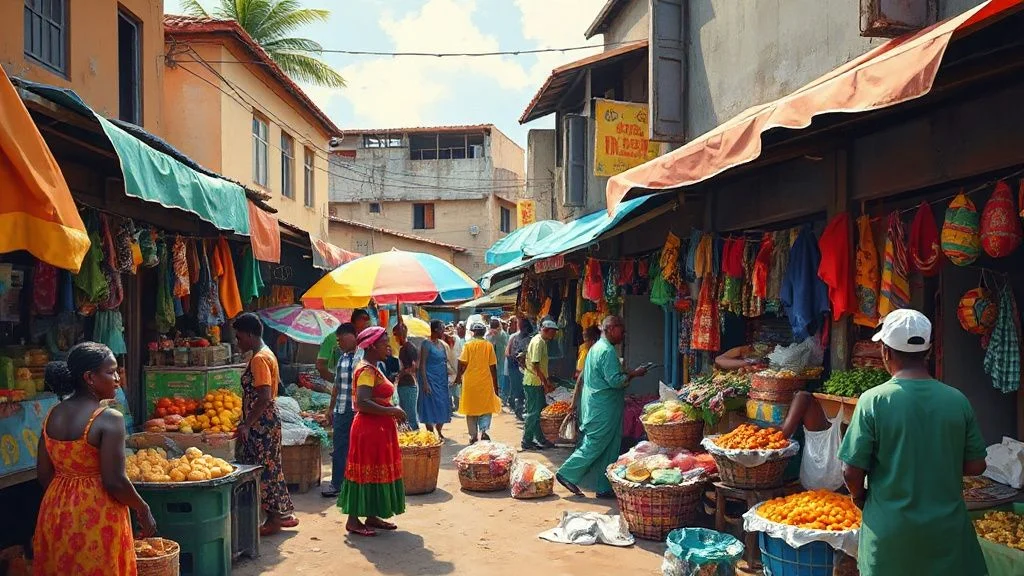
Nigerian cuisine is a reflection of its diverse cultures, with each region offering distinct flavors. As a solo female expat, don’t miss the chance to explore local markets and eateries. Dishes like Jollof rice, suya (spicy grilled meat), and pounded yam with egusi soup are staples worth trying. Dining at local restaurants not only satiates your palate but also provides opportunities to interact with locals.
For those who prefer a more familiar dining experience, several international restaurants cater to expats in cities like Lagos and Abuja, serving a mix of continental and Asian cuisines.
Community and Networking Opportunities
Building Connections
Establishing a support network is vital for solo female expats in Nigeria. Join expatriate groups and communities that focus on networking and socializing. Many organizations and online platforms connect expats, offering events that range from cultural outings to professional networking gatherings. Engaging with these groups can provide a sense of belonging and valuable insights into living in Nigeria.
Local NGOs and women-focused organizations also create platforms for women to connect and share experiences. Participating in workshops, seminars, or even volunteering can help you build relationships and foster a sense of community.
Work and Professional Opportunities
Nigeria's growing economy offers numerous opportunities for professional development, especially in sectors like tech, finance, and oil and gas. Many expats work remotely or relocate for short-term assignments, which can significantly enhance their careers. Familiarize yourself with local job boards and networking events to explore potential job opportunities.
Furthermore, consider joining professional associations relevant to your field. Such organizations often host events that can help you meet locals and other expats in your industry.
What Expats Should Know
Practical Tips for a Successful Stay
- Learn Basic Local Languages: While English is the official language, picking up a few phrases in local dialects such as Yoruba or Hausa can help you connect better with locals.
- Stay Informed: Regularly check local news and updates regarding safety and community events. This will help you stay aware of your surroundings and any changes in the socio-political landscape.
- Embrace the Local Way of Life: Approach your time in Nigeria with an open mind. Embracing cultural differences can lead to richer experiences and greater personal growth.
- Be Respectful of Local Customs: Understanding and respecting the local customs, such as greeting traditions, can enhance your interactions with residents.
Conclusion
Nigeria presents a vibrant cultural landscape and numerous opportunities for solo female expats. While safety considerations are paramount, adopting the right precautions can lead to an enriching experience. Embrace the local culture, connect with the community, and immerse yourself in the unique offerings of this dynamic country. With the right mindset and preparation, your time in Nigeria can be both safe and fulfilling.
Primary Sources
Last updated: October 2026