The education systems in Nigeria and the UK have distinct frameworks that reflect their unique cultural, historical, and economic contexts. For expatriates and returning diaspora Nigerians, understanding these differences is vital to navigating educational choices for their children. This article breaks down the structure, curriculum, and overall educational experiences in both countries, providing practical insights for families relocating to Nigeria.
What can we help you with?
Three short questions, then just how to reach you. No account needed.
Education Structure: Primary to Tertiary
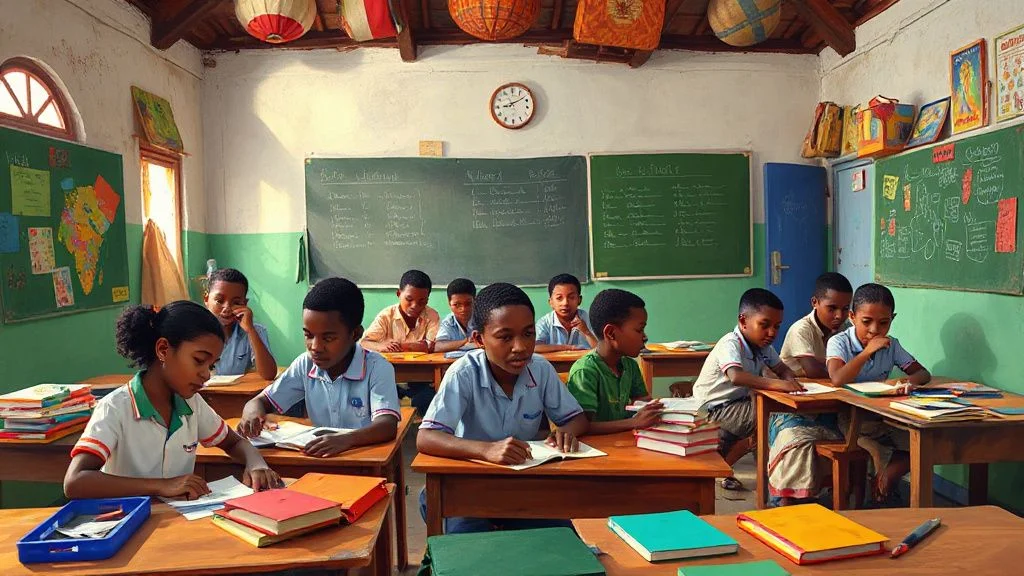
The education system in Nigeria is divided into several levels: primary, secondary, and tertiary education. Children typically start primary school around age six, continuing for a period of six years, followed by secondary education. After completing secondary school, students may pursue tertiary education, which includes universities, polytechnics, and colleges of education.
In contrast, the British education system operates on a slightly different timeline. Children in the UK start primary education at age four or five, which lasts for six years, followed by secondary education from ages 11 to 16. Post-secondary education includes two years of A-levels or vocational courses before entering university. This variance in structure means that Nigerian students might complete their secondary education a few years earlier than their British counterparts, influencing the age at which they enter university.
Curriculum Differences
The curriculum in Nigeria is determined by the National Policy on Education and is designed to be broad, covering various subjects, including mathematics, language, science, and social studies. Nigerian students are often required to take the West African Senior School Certificate Examination (WASSCE) at the end of their secondary education, which serves as a gateway to tertiary institutions. This examination typically assesses students in multiple subjects, and passing grades are essential for university admission.
On the other hand, the UK follows a national curriculum at the secondary level, where students take the General Certificate of Secondary Education (GCSE) examinations at around age 16. The GCSEs allow for specialization, as students can choose specific subjects to focus on, typically leading to A-levels or vocational qualifications for further specialization before university. This flexibility in subject choice in the British system contrasts with the more standardized approach seen in Nigeria, where subjects are often determined by the national curriculum.
Higher Education: Access and Structure
Higher education in Nigeria includes universities, polytechnics, and colleges, with a notable distinction between federal, state, and private institutions. Admission into universities is highly competitive and often requires students to score well on the Unified Tertiary Matriculation Examination (UTME), in addition to their WASSCE results. While there are many reputable universities in Nigeria, access to quality education can vary significantly depending on location and funding.
Conversely, the UK boasts a wide array of universities, known for their research output and global rankings. Admission into British universities is often based on A-level results, which can offer a more tailored approach to entry requirements based on the chosen field of study. Moreover, universities in the UK are typically well-funded, providing students with access to extensive resources, including libraries, laboratories, and extracurricular activities.
Tuition Fees and Financial Considerations
For expatriates considering education in Nigeria, it's crucial to be aware of the financial implications. While public schools offer lower fees, many expatriates opt for private or international schools, which can be significantly more expensive. Annual tuition fees for international schools in cities like Lagos can vary widely based on the school's reputation, facilities, and curriculum.
In the UK, tuition fees for universities can be quite high, with domestic students typically paying fees that can be substantial. For international students, fees can vary significantly depending on the course and institution. Understanding these costs is essential for expatriates planning their budgets for education in either country.
Cultural Nuances in Education
The cultural approach to education in Nigeria often emphasizes respect for authority and a hierarchical structure within classrooms. Teachers are generally viewed as authority figures, and students are expected to show deference. This contrasts with the British education system, which tends to encourage a more interactive and participatory classroom environment, fostering discussions and critical thinking.
Moreover, the importance of examinations in Nigeria can lead to a highly competitive atmosphere, where students often feel immense pressure to perform well. This can impact their mental health and overall educational experience. In the UK, while academics are still important, there is a stronger emphasis on a balanced approach to education, including extracurricular activities, which help in developing a well-rounded character.
Practical Tips for Expat Families
For expatriates and returning Nigerians, transitioning into the Nigerian education system can be challenging yet rewarding. Here are some practical tips to consider:
- Research Schools: Visit multiple schools before making a decision. Look for schools with a good reputation, qualified teachers, and a curriculum that aligns with your educational values.
- Engage with the Community: Connect with other expatriate families or local communities to get firsthand experiences about schools and education in Nigeria. Online forums or local social media groups can be helpful.
- Consider Language Barriers: English is the medium of instruction in most schools, but there may be variations in proficiency. Assess your child’s comfort with the language and consider additional language support if necessary.
- Be Prepared for Cultural Adjustments: Understand that the educational culture may differ significantly from what your child is used to, and be ready to support them through this transition.
- Plan for Examinations: Familiarize yourself with the examination processes in Nigeria, especially if your child will be taking WASSCE or UTME. Early preparation can alleviate stress during exam periods.
Conclusion
Understanding the differences between the Nigerian and British education systems is essential for expatriates and returning Nigerians. From the structure and curriculum to cultural nuances and financial implications, each system offers distinct advantages and challenges. By equipping themselves with the right information and resources, families can navigate their educational choices effectively, ensuring a smooth transition for their children in Nigeria.