The Benin border and the Lagos Lagoon waterway are two critical geographical features that significantly impact Nigeria's transportation, economy, and environment. This article will explore the geography of these regions, including their accessibility, climate considerations, and logistical implications for expatriates and returning Nigerians.
What can we help you with?
Three short questions, then just how to reach you. No account needed.
The Benin Border: Overview and Significance
Geographical Context
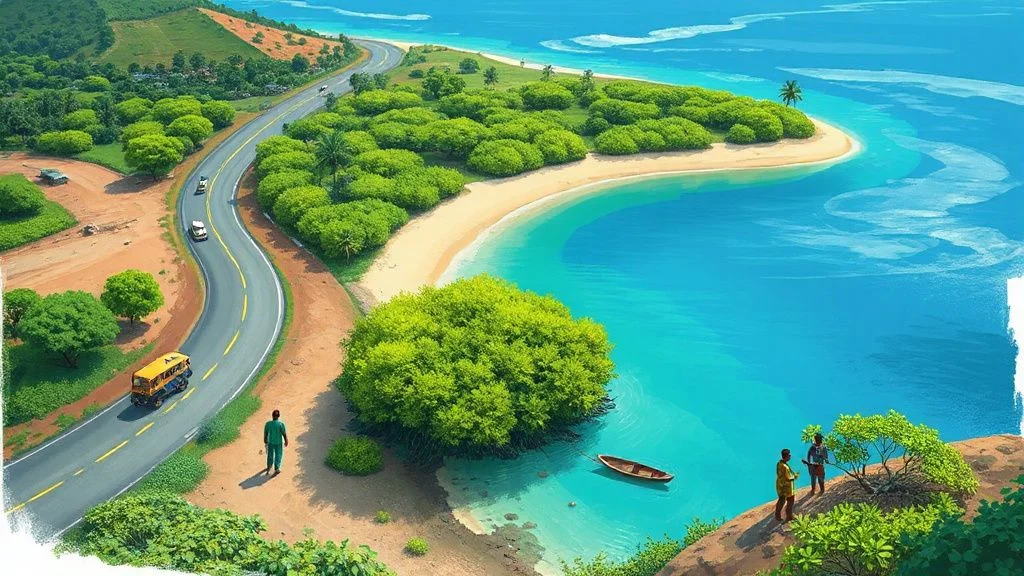
The Benin border is located in the southwestern part of Nigeria, separating the country from the Republic of Benin to the west. This border serves as a vital link between Nigeria and its neighboring country. The border region features a mix of urban and rural landscapes, with towns and villages that reflect the cultural diversity of both nations.
The major crossing points at the border facilitate trade and movement of people. One of the most notable entry points is the Seme border, which connects Lagos State to the Benin Republic. This crossing is essential for both commercial and personal travel, allowing for a flow of goods and services between the two countries.
Accessibility and Transport Options
Traveling to and from the Benin border can be accomplished through various means. Road transport is the most common option, with major highways connecting Lagos to border towns like Badagry. Travel times can vary depending on traffic conditions.
Additionally, there are local bus services and taxis that operate regularly, providing affordable options for expatriates and locals alike. It is advisable to check current safety conditions and local regulations, as travel advisories may change. Ensure to carry valid identification and necessary travel documents when crossing the border.
The Lagos Lagoon: A Vital Waterway
Geographical Importance
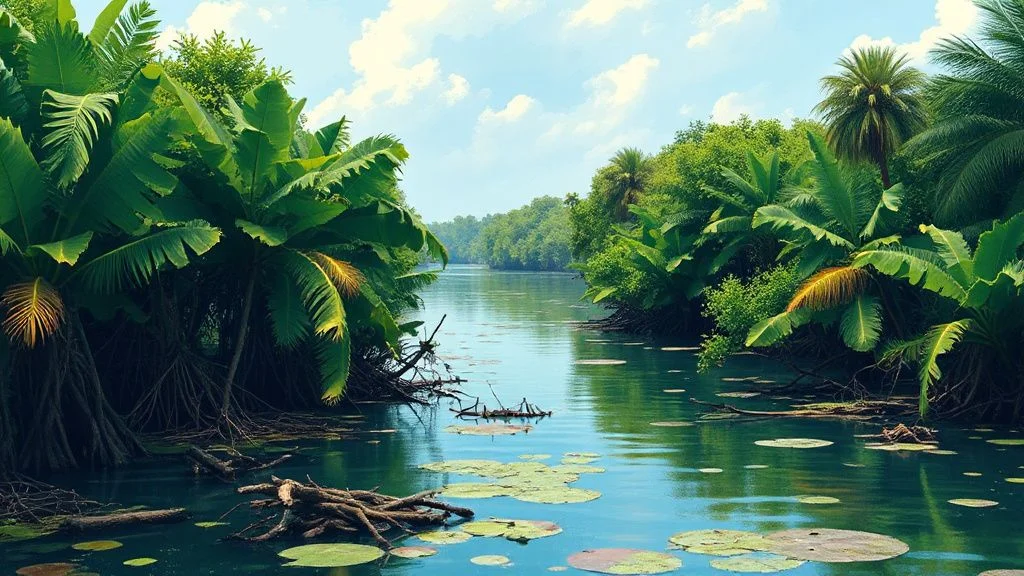
The Lagos Lagoon is a significant body of water located along the coast of Lagos State, serving as a crucial navigational route and natural resource for the region. This lagoon is part of a larger coastal system that includes creeks, rivers, and the Atlantic Ocean, significantly impacting local biodiversity and the economy.
The lagoon plays a critical role in the fishing industry, providing livelihoods for many local communities. Additionally, it serves as a recreational area and a scenic environment for residents and visitors. The lagoon is home to various marine species, highlighting its ecological importance.
Transport and Infrastructure
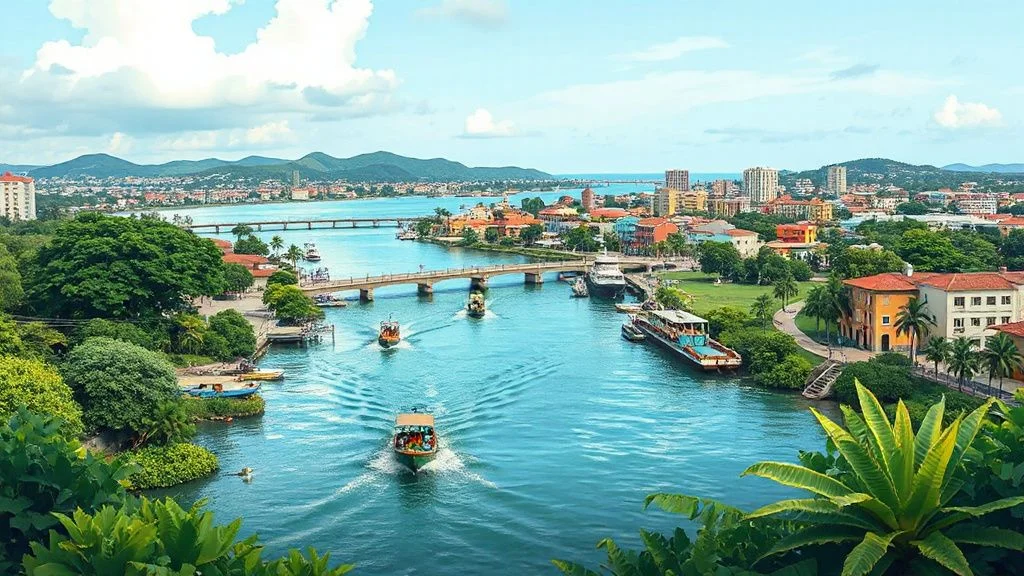
Accessibility to the Lagos Lagoon is facilitated by an array of transport options, including ferries and boats that connect different parts of Lagos, particularly the island and mainland areas. These water transport services are essential for reducing road congestion in the bustling metropolis and offer a scenic alternative for commuting.
The development of infrastructure around the lagoon, such as the proposed Fourth Mainland Bridge, aims to improve connectivity and enhance economic activities. However, commuting via the lagoon can be affected by seasonal weather changes, especially during the rainy season, which typically lasts from April to October.
Climate and Seasonal Considerations
Weather Patterns
The climate around the Benin border and Lagos Lagoon is predominantly tropical, characterized by a wet and dry season. The rainy season, which spans from April to October, generally brings heavy rainfall, impacting travel and transportation options. During this period, road conditions may deteriorate, and water levels in the lagoon can rise, affecting navigability.
Conversely, the dry season lasts from November to March, when temperatures can soar, reaching an annual mean of around 28°C (82°F). The dry season can also bring winds that may reduce visibility and impact sea travel conditions. It's essential for expatriates and international professionals to consider these climatic factors when planning travel or logistics in the region.
Safety Considerations
Travel Safety
While traveling to the Benin border and navigating the Lagos Lagoon, safety should be a priority. Travelers are encouraged to stay informed about local conditions, including security advisories from official sources. Areas close to the border may experience heightened security measures, so it is wise to travel during daylight hours and avoid isolated routes.
For water transport, using reputable ferry services is advisable to ensure safety and reliability. Always wear life jackets and follow the instructions of the crew to enhance safety while traveling on the lagoon.
What Expats Should Know
Practical Tips
For expatriates navigating the Benin border and Lagos Lagoon, here are some practical tips:
- Carry necessary travel documents, including a valid passport and visa if required.
- Familiarize yourself with local customs and regulations regarding border crossings.
- Utilize local transport apps or services for hassle-free commuting.
- Stay updated on weather conditions to plan your travel effectively.
Conclusion
The Benin border and Lagos Lagoon waterway are vital components of Nigeria’s geography that facilitate trade, transportation, and ecological diversity. Understanding their significance, accessibility, and safety considerations can help expatriates and returning Nigerians navigate these regions more effectively. With the right knowledge and precautions, these waterways and borders can serve as gateways to new opportunities and experiences in Nigeria.