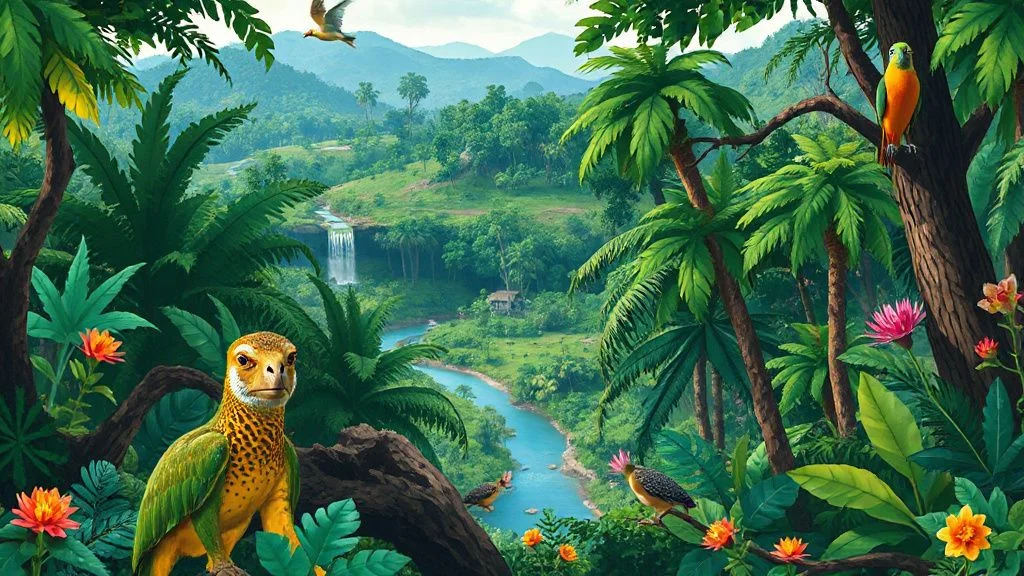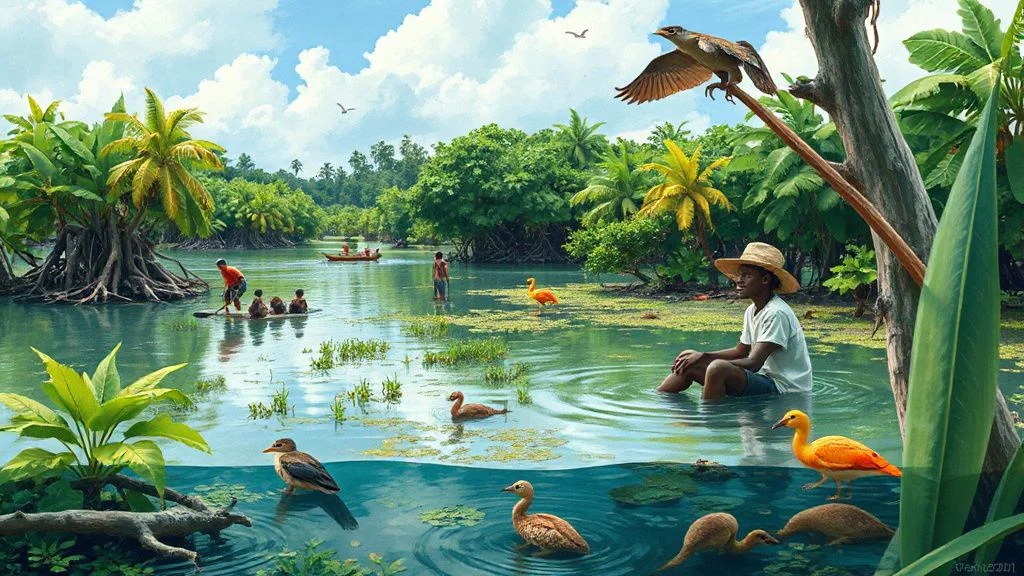
Nigeria’s wetlands are not just ecological treasures; they are lifelines for millions of people and wildlife alike. Spanning diverse ecosystems from the mangrove forests of the Niger Delta to various floodplains, these wetlands play a crucial role in biodiversity, climate regulation, and water resources. This article will provide an in-depth overview of Nigeria's wetlands, their significance as Ramsar protected sites, and the ongoing conservation efforts aimed at preserving these vital ecosystems.
What can we help you with?
Three short questions, then just how to reach you. No account needed.
Understanding Wetlands and Their Importance
Wetlands are areas where water is present, either permanently or seasonally, and include marshes, swamps, rivers, lakes, and coastal regions. According to the Ramsar Convention, wetlands are essential for biodiversity, supporting vast arrays of plant and animal species. In Nigeria, wetlands serve as crucial habitats for migratory birds, fish, and other wildlife. They also provide ecosystem services such as water purification, flood control, and carbon sequestration.
For many communities, wetlands are vital for their livelihoods. They provide fish, fuel, and agricultural land, supporting local economies. The Niger Delta, for instance, is a prime example where wetlands contribute substantially to the fishing industry, providing food and employment for thousands. The preservation of these wetlands is not only vital for maintaining biodiversity but also for protecting the livelihoods dependent on them.
The Ramsar Convention and Nigeria's Wetlands
The Ramsar Convention, established in Iran in 1971, aims to promote the conservation and sustainable use of wetlands worldwide. As of now, Nigeria has designated several wetlands as Ramsar sites, which recognize their international importance for biodiversity and ecosystem services. These sites include the Niger Delta and the Hadejia-Nguru Wetlands.
Being designated as Ramsar sites means these wetlands are prioritized for conservation efforts. However, this status also comes with responsibilities for Nigeria to manage these areas sustainably, balancing ecological health with economic needs. The Ramsar sites in Nigeria serve as critical habitats for various species, including endemic and migratory birds, making them essential for global biodiversity.
Key Ramsar Sites in Nigeria
The Niger Delta
The Niger Delta is one of the world’s largest deltas and is characterized by its intricate network of mangroves, swamps, and estuaries. It is a biodiversity hotspot, home to several endangered species, including the West African manatee and various fish species. The delta also plays a crucial role in the economy, supporting fishing, oil production, and agriculture.
However, the Niger Delta faces severe environmental challenges due to oil spills, deforestation, and urbanization. Conservation efforts in this region focus on restoring degraded areas, promoting sustainable fishing practices, and engaging local communities in conservation initiatives.
The Hadejia-Nguru Wetlands
Located in the northeastern part of Nigeria, the Hadejia-Nguru Wetlands are critical for local agriculture and fishing. These wetlands are vital for the migration of birds and support a plethora of wildlife. The area also provides natural irrigation for local farmers, especially during the dry season.
Despite their importance, the Hadejia-Nguru Wetlands are threatened by dam construction and water diversion projects that disrupt the natural hydrology. Conservation efforts here involve advocating for sustainable water management practices and restoring natural water flows to support both biodiversity and agriculture.
Conservation Challenges
Conserving Nigeria’s wetlands is a complex task. The primary challenges include pollution, urban development, climate change, and unsustainable agricultural practices. Many wetlands are under pressure from agriculture, leading to habitat loss and decreased water quality. Additionally, climate change exacerbates these issues, altering rainfall patterns and increasing the frequency of flooding and droughts.
Pollution from oil spills and agricultural runoff significantly impacts wetland health. This pollution not only harms aquatic life but also poses risks to human health, as many communities rely on these waters for drinking and fishing. Addressing these challenges requires a multi-faceted approach, including stricter enforcement of environmental regulations and community engagement in conservation efforts.
Community Engagement and Conservation Initiatives
Successful wetland conservation in Nigeria hinges on the involvement of local communities. Education and awareness campaigns are vital in highlighting the importance of wetlands and encouraging sustainable practices. Various organizations play a pivotal role in these efforts, working with local communities to foster a culture of conservation.
Community-based initiatives can include sustainable fishing practices, reforestation efforts, and eco-tourism projects that provide economic benefits while preserving the environment. For instance, promoting eco-tourism in Ramsar sites like the Niger Delta can generate income for local communities while raising awareness about the importance of wetland conservation.
What Expats Should Know
For expatriates living in Nigeria, understanding the significance of wetlands can enhance your engagement with local communities and conservation efforts. Here are a few practical tips:
- Get Involved: Participate in local conservation initiatives or volunteer with organizations focused on wetland preservation. Engaging with local communities can provide deeper insights into their challenges and successes.
- Support Sustainable Practices: Choose to support businesses that prioritize sustainable practices and engage in eco-friendly tourism initiatives.
- Educate Others: Share your knowledge about the importance of wetlands with your network. Raising awareness can lead to greater community involvement in conservation efforts.
- Respect Local Guidelines: When visiting Ramsar sites or other wetlands, adhere to guidelines set by local authorities to minimize your impact on these sensitive ecosystems.
Conclusion
Nigeria's wetlands are invaluable ecosystems that provide essential services to both people and wildlife. As Ramsar protected sites, they hold international significance, yet they face numerous challenges that threaten their existence. By engaging with local communities and supporting conservation initiatives, expatriates and residents alike can contribute to the preservation of these critical habitats. Understanding the value of wetlands is paramount in fostering a sustainable future for Nigeria's rich biodiversity and the livelihoods that depend on it.