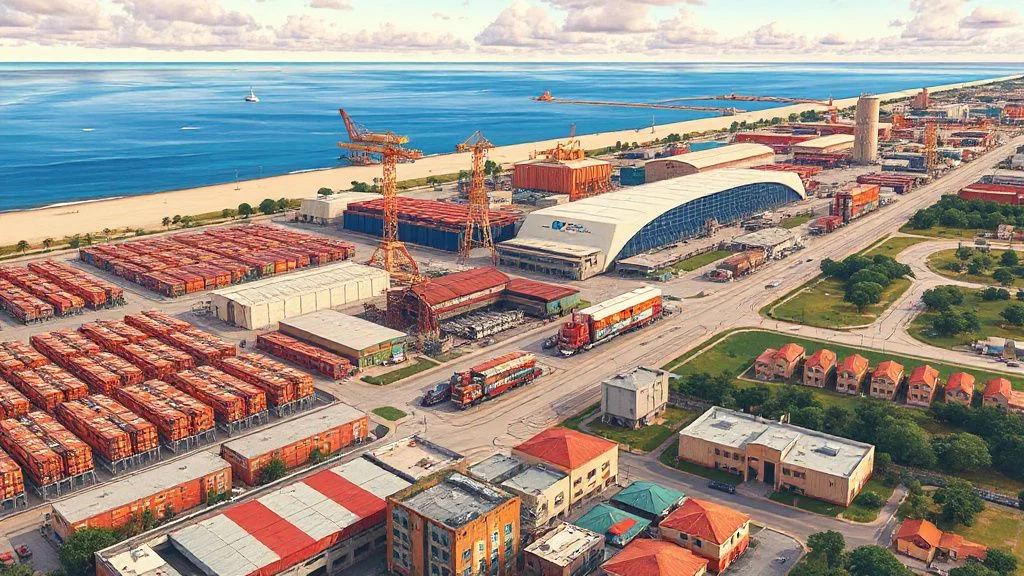
As Nigeria grapples with the pressing challenge of climate change, particularly rising sea levels, the nation is increasingly focused on implementing coastal adaptation and protection projects. With its extensive coastline stretching over 850 kilometers, Nigeria's coastal cities, especially Lagos and the Niger Delta, are particularly vulnerable to the impacts of climate change, including increased flooding, erosion, and habitat loss. This article delves into the various coastal protection initiatives being undertaken in Nigeria, their significance, and how they impact local communities.
What can we help you with?
Three short questions, then just how to reach you. No account needed.
Understanding the Threat of Sea Level Rise in Nigeria
Sea level rise poses an existential threat to Nigeria's coastal regions. As global temperatures increase, thermal expansion of seawater and the melting of polar ice caps contribute to rising sea levels. According to the Intergovernmental Panel on Climate Change (IPCC), sea levels have risen significantly over the last century and are expected to continue to do so without substantial reductions in greenhouse gas emissions. For Nigeria, even a modest increase in sea level can lead to catastrophic consequences, particularly for low-lying coastal settlements.
In cities like Lagos, the effects of sea level rise are already observable. Coastal flooding during high tides and storm surges has become more frequent, leading to the displacement of communities, loss of property, and damage to critical infrastructure. Furthermore, saltwater intrusion into freshwater resources threatens agriculture and drinking water supplies, exacerbating food security issues.
Key Coastal Protection Projects in Nigeria
Recognizing the urgency of the situation, various stakeholders, including government agencies, local communities, and international organizations, have initiated several coastal protection projects across Nigeria. These projects aim not only to protect infrastructure but also to enhance the resilience of vulnerable communities.
The Lagos Coastal Road Project
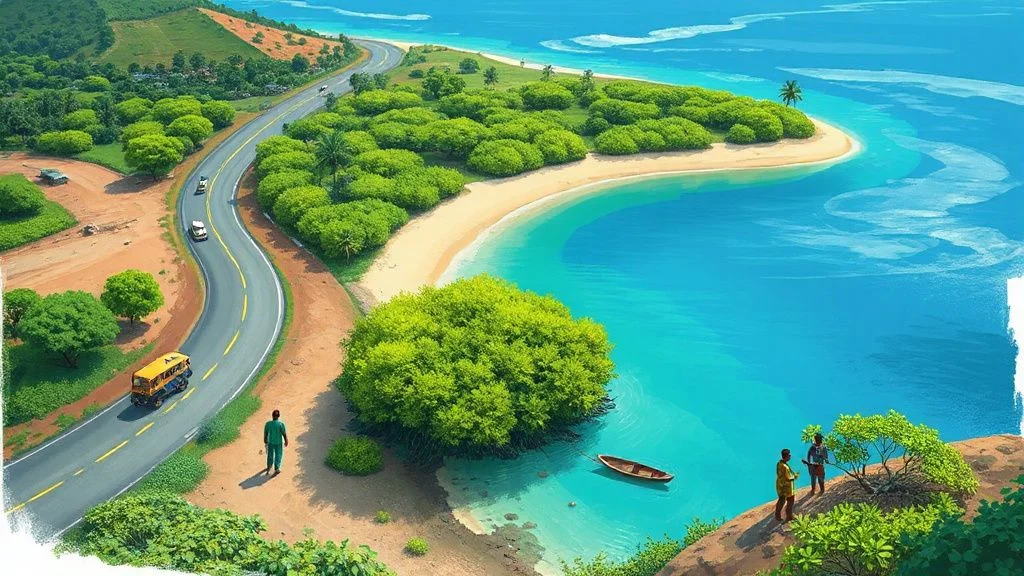
One of the flagship initiatives is the Lagos Coastal Road project, designed to improve the city's coastal defenses while providing essential transportation links. This project aims to mitigate the impacts of storm surges and high tides. In addition to providing physical protection, the project is expected to enhance the quality of life for residents.
Residents should check with local authorities for updates on project timelines and accessibility, as construction may temporarily affect local traffic and businesses.
Niger Delta Restoration Initiatives
The Niger Delta region, home to diverse ecosystems and rich biodiversity, is particularly susceptible to the effects of climate change. Various restoration initiatives aim to rehabilitate mangroves and wetlands, crucial for coastal protection. Mangroves serve as natural barriers against erosion and flooding, while also providing essential habitats for many marine species.
Community-based projects are being implemented to engage local populations in the restoration process. This approach not only enhances ecological resilience but also empowers communities. Expatriates and returning Nigerians can support these initiatives by volunteering or investing in local enterprises that focus on sustainable environmental practices.
Innovative Technologies in Coastal Protection
To further bolster coastal protection efforts, Nigeria is exploring innovative technologies and practices. The integration of smart technology in coastal management can enhance monitoring and response capabilities. For instance, the deployment of systems can alert communities to impending floods, allowing for timely evacuations and preparations.
Additionally, the use of geoengineering solutions is being researched as potential measures to combat coastal erosion. These technologies can help dissipate wave energy and protect shorelines from the damaging effects of storms. Expats interested in technology-driven solutions may find opportunities to collaborate with local firms or NGOs focused on climate resilience.
Community Engagement and Education
Engaging local communities is vital for the success of coastal protection projects. Education and awareness campaigns are crucial in informing residents about the risks associated with sea level rise and the importance of participating in mitigation efforts. Community workshops, training programs, and collaborative planning sessions can empower individuals to take action in their neighborhoods.
In Lagos, various NGOs are working with local governments to promote community resilience through education. These initiatives often include training on sustainable practices, which can alleviate some of the pressures on coastal ecosystems. Expatriates can play a pivotal role by facilitating workshops or sharing knowledge and resources that enhance local capacity.
Practical Tips for Expatriates and Returning Nigerians
For expatriates and returning Nigerians considering relocation to coastal areas in Nigeria, understanding the landscape of coastal protection projects is essential. Here are some practical tips:
- Stay Informed: Regularly check local government websites and community boards for updates on coastal protection projects and initiatives. This information can guide decisions on housing and community engagement.
- Choose Resilient Locations: When considering housing options, prioritize locations that are part of government-supported coastal protection initiatives. These areas may have better infrastructure and resources to cope with climate impacts.
- Get Involved: Join local environmental groups or volunteer for community restoration projects. This involvement not only supports local efforts but also helps you connect with your community.
- Invest Wisely: If you are considering business ventures, look for opportunities in sustainable practices, which are likely to grow in demand as climate adaptation efforts expand.
Conclusion
Nigeria's coastal protection projects are vital in addressing the imminent threats posed by rising sea levels. From infrastructural developments to community-based restoration initiatives in the Niger Delta, these efforts are essential for safeguarding both people and ecosystems. By actively engaging in these initiatives, expatriates and returning Nigerians can contribute to building resilient coastal communities while also ensuring their own safety and investment in the future. As climate change continues to challenge Nigeria, collective action and innovative solutions will be key to protecting the nation's coastal landscapes for generations to come.