
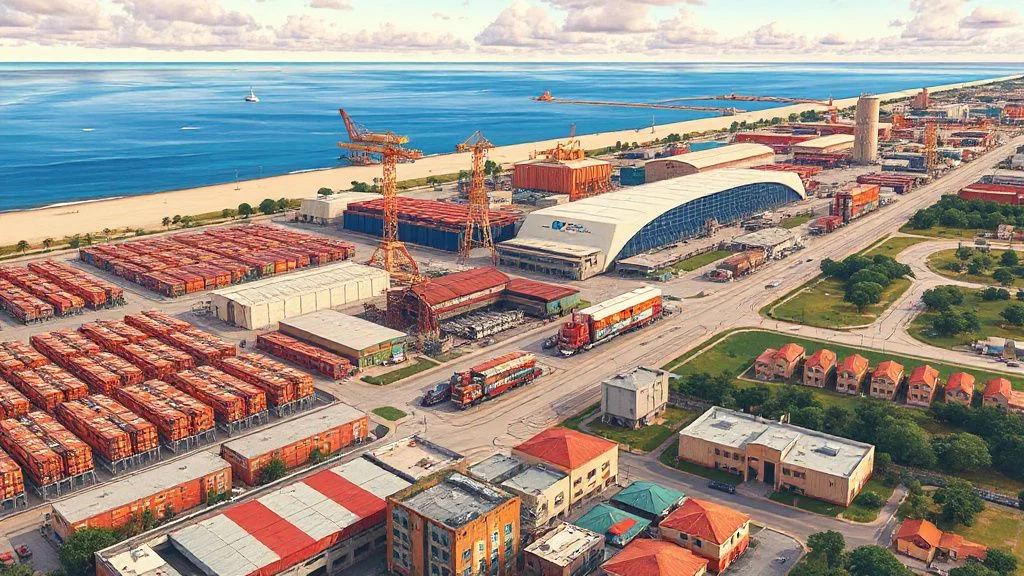
The Lekki Free Zone (LFZ) in Lagos is a special economic zone designed to boost Nigeria's economy through industrial development and residential opportunities. Spanning 16,500 hectares, it aims to attract foreign investment and create a vibrant community for professionals and returning Nigerians.
What can we help you with?
Three short questions, then just how to reach you. No account needed.
The Lekki Free Zone (LFZ) in Lagos represents a transformative initiative designed to enhance Nigeria's industrial landscape and bolster economic growth. This comprehensive guide breaks down the key aspects of the LFZ, including its purpose, structure, and the opportunities it presents for international professionals and returning Nigerians.
What is the Lekki Free Zone?
The Lekki Free Zone is a designated special economic zone located approximately 60 kilometers east of Lagos. It spans 16,500 hectares, bordered by the Atlantic Ocean to the south and Lekki Lagoon to the north. Established to stimulate economic activities through minimal customs restrictions and various incentives, the LFZ is one of the fastest-growing free zones in Africa.
Managed by the Nigerian Export Processing Zone Authority (NEPZA), the LFZ aims to attract foreign direct investment, create employment, and expedite economic growth. The project has garnered attention for its ambitious plans, which include not only industrial development but also residential, commercial, and recreational facilities, envisioned to create a vibrant international city.
- Located 60 kilometers east of Lagos, the LFZ spans 16,500 hectares.
- It focuses on industries like manufacturing, logistics, and energy.
- Housing options are expected to be available in various forms, catering to different budgets and preferences.
- Accessibility improvements are underway to enhance connectivity to urban centers.
- The area is anticipated to have distinct wet and dry seasons.
- Safety measures are prioritized, with advice for residents to remain vigilant.
Industrial Opportunities in the Lekki Free Zone
The LFZ is strategically positioned as a hub for various industries, including manufacturing, logistics, and energy. It is designed to host businesses involved in fast-moving consumer goods (FMCG), pharmaceuticals, chemicals, and engineering. One of the standout features of the LFZ is its proximity to the upcoming Lekki Deep Sea Port, which is expected to become one of the most advanced ports in Africa, facilitating trade and logistics.
With a focus on creating an integrated industrial ecosystem, the LFZ plans to offer state-of-the-art infrastructure, including warehousing and transport networks, to support businesses. The economic model draws inspiration from successful free zones in countries like China, which have significantly boosted their local economies through similar initiatives.
Settlement and Living in the Lekki Free Zone Area
As the LFZ develops, it is also anticipated to become a desirable residential area for professionals working in the zone. The zone's development plans include provisions for housing, recreation, and community amenities. Living near the LFZ offers expats and returning Nigerians the advantage of proximity to their workplaces, reducing commuting times and enhancing quality of life.
The area is expected to feature modern housing options, from apartments to townhouses, catering to various budgets. As of our last update, housing prices are anticipated to vary widely based on location and amenities, providing options for different income levels.
Transportation and Accessibility
Accessibility to the Lekki Free Zone is a crucial aspect of its development strategy. The ongoing infrastructural improvements aim to enhance connectivity between the LFZ and major urban centers in Lagos. Currently, travel times from Victoria Island to the LFZ may vary based on traffic conditions.
With the construction of new roads and the potential for rail links, the LFZ is set to become increasingly accessible. Public transportation options, such as taxis and ride-sharing services, are also available, making it easy for residents to commute to and from the zone.
Climate and Safety Considerations
The Lekki area is expected to experience a climate with distinct wet and dry seasons. The dry season may be characterized by cooler temperatures and specific weather patterns, while the wet season is likely to bring significant rainfall, impacting daily activities and infrastructure.
Safety in the Lekki Free Zone and its surrounding areas is generally a priority for developers and local authorities. As of our last update, residents are advised to remain vigilant, especially during the night, and to familiarize themselves with local security measures and community guidelines.
Practical Tips for Expats in the Lekki Free Zone
For expatriates considering relocation to the Lekki Free Zone area, here are some practical tips to enhance your experience:
- Research Housing Options: Explore various neighborhoods around the LFZ to find suitable accommodation that meets your needs and budget. Consider both rental and purchase options.
- Engage with the Community: Join local expat groups and community forums to connect with other professionals and gain insights into living in Lagos.
- Understand Local Regulations: Familiarize yourself with local laws and customs, especially those pertaining to business operations within the free zone.
- Plan for Travel: Be aware of peak traffic times and plan your commute accordingly to avoid delays.
- Health and Safety: Ensure you have health insurance that covers local medical facilities, and stay informed about the nearest hospitals and clinics.
Conclusion
The Lekki Free Zone is poised to be a cornerstone of economic growth in Nigeria, offering diverse industrial opportunities and a welcoming environment for residents. As infrastructure continues to improve, the LFZ is set to become an attractive destination for both businesses and individuals looking to thrive in Nigeria's burgeoning economy. Understanding its dynamics will help expatriates and returning Nigerians make informed decisions about their relocation and investment options.
Primary Sources
Last updated: October 2026
