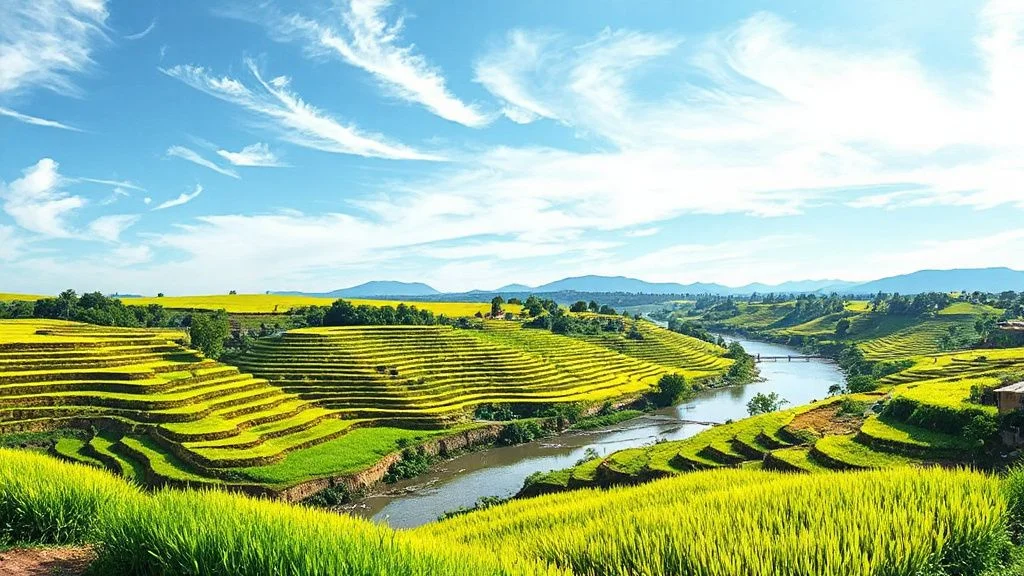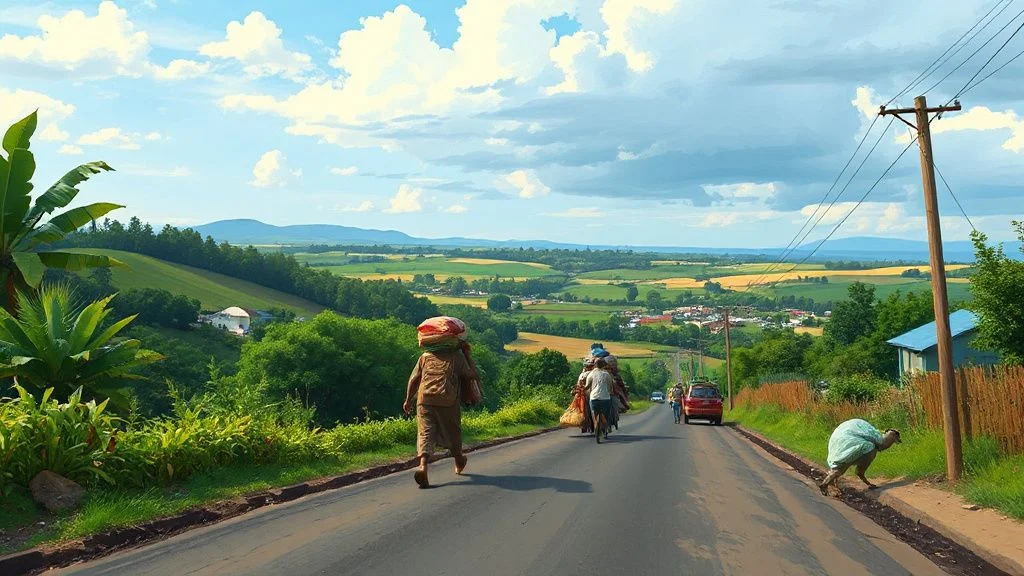
The Niger Delta region in Nigeria is a unique and vibrant area, home to diverse riverine communities. This guide provides valuable insights into the geography, culture, transport options, and essential tips for expatriates and locals navigating this dynamic region. From understanding the ecological significance to exploring local customs, this comprehensive overview will equip you with the knowledge to engage meaningfully with the Niger Delta.
What can we help you with?
Three short questions, then just how to reach you. No account needed.
Geography of the Niger Delta
The Niger Delta is one of the largest river deltas in the world, covering over 70,000 square kilometers (approximately 27,000 square miles). It is located in the southern part of Nigeria, where the Niger River meets the Atlantic Ocean. This region is bordered by nine states, including Akwa Ibom, Bayelsa, Delta, Rivers, Edo, Abia, Imo, Ondo, and Cross River. The delta is characterized by a complex network of rivers, creeks, and mangroves, making navigation both a necessity and a challenge for its inhabitants.
Climate Considerations
The climate in the Niger Delta is tropical, with a significant amount of rainfall throughout the year. The rainy season typically extends from April to October, while the dry season lasts from November to March. During the wet season, flooding can occur, impacting transportation and daily life. Expatriates should prepare for high humidity and consider the season when planning their relocation or visits.
Environmental Importance
The Niger Delta is an ecological treasure, hosting a variety of wildlife and plant species. The region's mangrove forests are crucial for maintaining biodiversity and protecting against coastal erosion. However, the area also faces severe environmental challenges, primarily due to oil spills and pollution from the oil industry. Understanding these ecological dynamics is essential for anyone living or working in the region, as they influence both the environment and local livelihoods.
Cultural Landscape of Riverine Communities
The riverine communities of the Niger Delta are culturally rich and diverse, with over 40 ethnic groups, including the Ijaw, Efik, and Urhobo. Each group has its own customs, languages, and traditions, contributing to the region's vibrant cultural tapestry. Festivals, such as the Iriji-Mmanwu Festival celebrated by the Igbo people, showcase traditional dances, music, and food, offering visitors a glimpse into the local culture.
Local Cuisine
The culinary landscape of the Niger Delta is characterized by its use of fresh ingredients sourced from the rivers and forests. Popular dishes include “banga soup,” made with palm nuts, and “pepper soup,” a spicy broth typically prepared with fish or meat. Street food vendors can be found throughout the region, offering delicious snacks like “puff-puff” (fried dough balls) and “suya” (spicy grilled meat skewers). Expats should explore local markets to experience authentic flavors and support community businesses.
Art and Craftsmanship
The art and craft scene in the Niger Delta is vibrant, with local artisans producing intricate beadwork, pottery, and textiles. Many communities engage in traditional crafts that have been passed down through generations. For those interested in purchasing local art, visiting craft markets or art exhibitions can offer unique pieces while supporting local artists.
Transport and Accessibility
Getting around the Niger Delta can be challenging due to its intricate waterways and limited road infrastructure. The primary mode of transport in many areas is by boat, with numerous ferries and canoes available for hire. Major cities like Port Harcourt and Warri have bus services and taxis, but road conditions can vary significantly. It is advisable to plan travel routes in advance and allow extra time for delays, particularly during the rainy season.
Air Travel Options
For those traveling from abroad or other parts of Nigeria, the Niger Delta is accessible via several airports, including the Port Harcourt International Airport and the Akwa Ibom International Airport. These airports offer flights to and from major Nigerian cities, making it easier for expatriates to reach their destination. It’s important to book flights in advance, especially during peak travel seasons to ensure availability.
Safety Considerations
While the Niger Delta is known for its natural beauty and rich culture, safety can be a concern due to issues related to crime and civil unrest. Expatriates should stay informed about the current security situation and adhere to local advice regarding safety. Avoiding remote areas after dark and securing valuables can help mitigate risks. Checking with local contacts or expatriate communities for safety tips is advisable before exploring the region.
What Expats Should Know
For expatriates planning to live in or visit the Niger Delta, understanding the local customs and etiquette is essential. Greetings are an important part of social interactions; a handshake is common, often followed by a warm smile. Learning a few phrases in the local languages can also help foster goodwill with residents.
Healthcare and Emergency Services
Healthcare facilities in the Niger Delta vary in quality. While major cities may have hospitals with basic medical services, rural areas may lack adequate healthcare access. Expats are advised to have comprehensive health insurance that covers medical evacuation. Familiarizing oneself with nearby medical facilities and emergency services is crucial for ensuring safety and health while living in the region.
Community Engagement
Joining local community groups or expatriate organizations can provide support and enhance the experience of living in the Niger Delta. Engaging with local initiatives, whether through volunteering or participating in cultural events, can foster connections and promote cultural exchange. Understanding the local context and showing respect for traditions can lead to more meaningful relationships within the community.
Conclusion
The Niger Delta is a region of incredible ecological and cultural diversity, offering a unique experience for expatriates and locals alike. By understanding the geography, climate, and local customs, newcomers can navigate this dynamic area more effectively. Whether exploring local cuisine, engaging with communities, or appreciating the environmental significance, the Niger Delta presents opportunities for rich experiences and meaningful connections.