Understanding the quality of road infrastructure in rural Nigeria is essential for expatriates and returning Nigerians who plan to relocate or invest in agricultural or business ventures. This article delves into the current state of rural road networks, the challenges faced, and the ongoing initiatives aimed at improvement. Readers will learn about the implications of these factors on community access to markets, healthcare, and education.
What can we help you with?
Three short questions, then just how to reach you. No account needed.
Current State of Rural Road Infrastructure
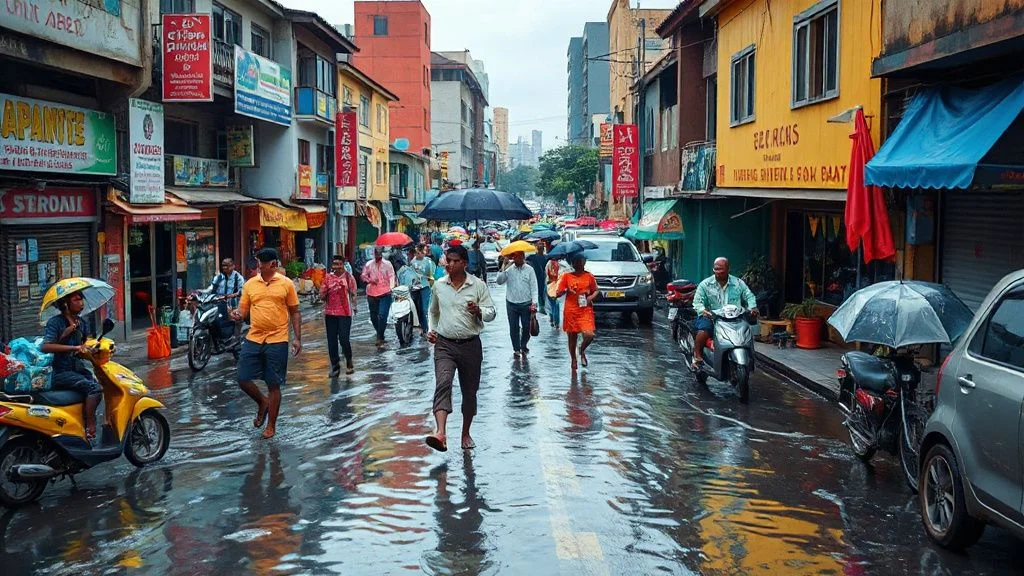
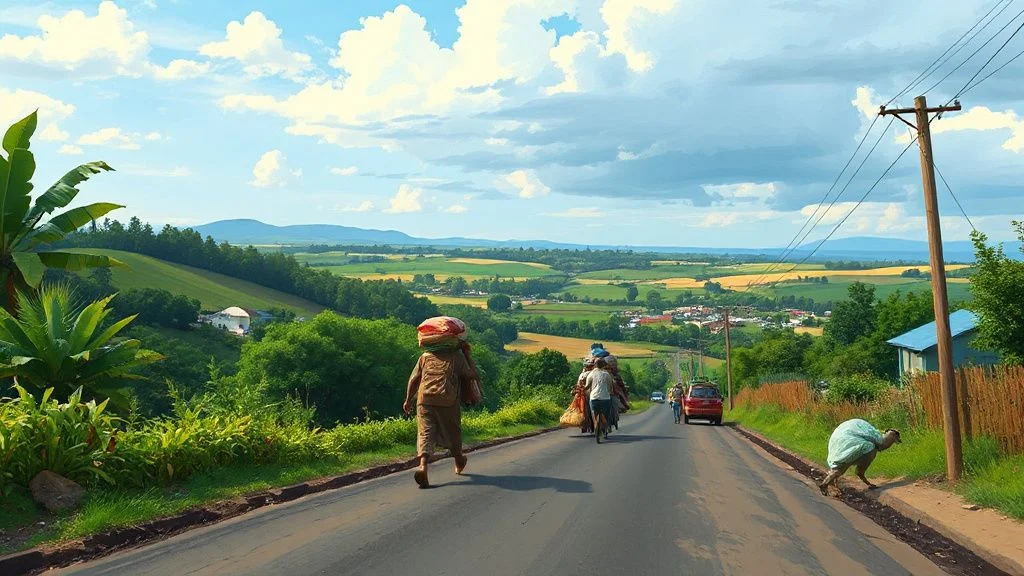
Approximately 80% of Nigeria's road network is reported to be in poor condition, severely impacting accessibility in rural areas. The rural road system is crucial for connecting farmers with markets, providing access to healthcare, and enabling educational opportunities. Most rural roads are either unpaved or poorly maintained, leading to significant challenges during the rainy season when flooding often makes them impassable.
A study from Kogi State demonstrates that only about 23.5% of sampled roads were rated as excellent, and 5.9% were deemed very poor. This indicates a dire need for improvements to enhance mobility and economic activities in rural communities. Additionally, the high dependency on road transport—accounting for over 90% of movements in Nigeria—further highlights the critical need for reliable road infrastructure.
Challenges Faced by Rural Communities
Rural communities in Nigeria face numerous challenges due to inadequate road infrastructure. A significant issue is the seasonal inaccessibility of roads, which hampers the movement of goods and people. For example, during the rainy season, farmers often struggle to transport their produce to markets, leading to food wastage and loss of income. Furthermore, the lack of reliable transportation affects access to essential services such as healthcare. In many instances, patients cannot reach medical facilities in emergencies, exacerbating health crises.
Another challenge is the inadequacy of funding and maintenance. Many rural roads have not seen substantial upgrades or repairs for years, leaving them vulnerable to degradation from weather elements. Institutional inefficiencies and inadequate planning further complicate the situation. As a result, many rural areas remain disconnected from economic opportunities, contributing to poverty and limiting community development.
Government and International Initiatives for Improvement
Recognizing the pressing need for better rural road infrastructure, the Nigerian government, along with international partners like the World Bank, has initiated several programs. One significant project is the Rural Access Agricultural Marketing Project-Scale Up (RAAMP-SU), which aims to rehabilitate and maintain approximately 6,500 km of rural roads. Funded by a combination of $500 million from the World Bank and an additional $100 million from the Nigerian government, this initiative seeks to establish State Road Funds and improve the sustainability of rural road management.
The RAAMP-SU project not only focuses on building roads but also emphasizes the importance of maintenance and long-term planning. By creating State Rural Access Roads Agencies (RARA), the program aims to ensure that rural roads are kept in good condition, ultimately benefiting around 4 million rural residents. The focus on gender equality and social inclusion within these projects is also noteworthy, as improved road access is expected to enhance women's participation in the labor market and improve access to healthcare.
Case Studies of Successful Road Projects
In several regions, successful road projects have served as models for what can be achieved. For instance, in the North-Central region, a road rehabilitation project significantly improved access for local farmers, enabling them to transport goods to larger markets. The initiative included not only the construction of durable roads but also the implementation of proper drainage systems to mitigate the impact of heavy rainfall.
Similarly, in parts of the South-South region, completed road projects have led to increased economic activities in rural communities. Farmers report higher incomes due to reduced transportation costs and better access to markets. These success stories highlight the transformative power of investing in rural road infrastructure.
Practical Tips for Expatriates and Returning Nigerians
If you are considering a move to rural Nigeria or planning to invest in agricultural ventures, understanding the road infrastructure is crucial. Here are some practical tips:
- Research Local Conditions: Before relocating, research the specific area you are interested in. Understand the current state of the roads and any ongoing projects that may affect accessibility.
- Consider Transportation Options: Depending on the road conditions, you may need to explore different transportation options, such as using 4x4 vehicles or motorbikes, especially during the rainy season.
- Engage with Local Communities: Building relationships with local farmers and community leaders can provide valuable insights into the best practices for navigating rural infrastructure challenges.
- Stay Informed About Development Projects: Keep track of government and international initiatives aimed at improving rural infrastructure. Engaging with these projects can provide opportunities for collaboration and investment.
- Be Prepared for Emergencies: Given the challenges with road access, ensure you have a plan for emergencies. This might include having alternative routes or contacts for local transport services.
Conclusion
The quality of road infrastructure in rural Nigeria remains a significant challenge, affecting the livelihoods of millions. However, ongoing projects like RAAMP-SU show promise for improving accessibility and fostering economic development. For expatriates and returning Nigerians, understanding these dynamics is essential for successfully navigating life in rural areas. By staying informed and engaged, you can contribute to and benefit from the developments in Nigeria's road infrastructure.
Primary Sources
Last updated: October 2026