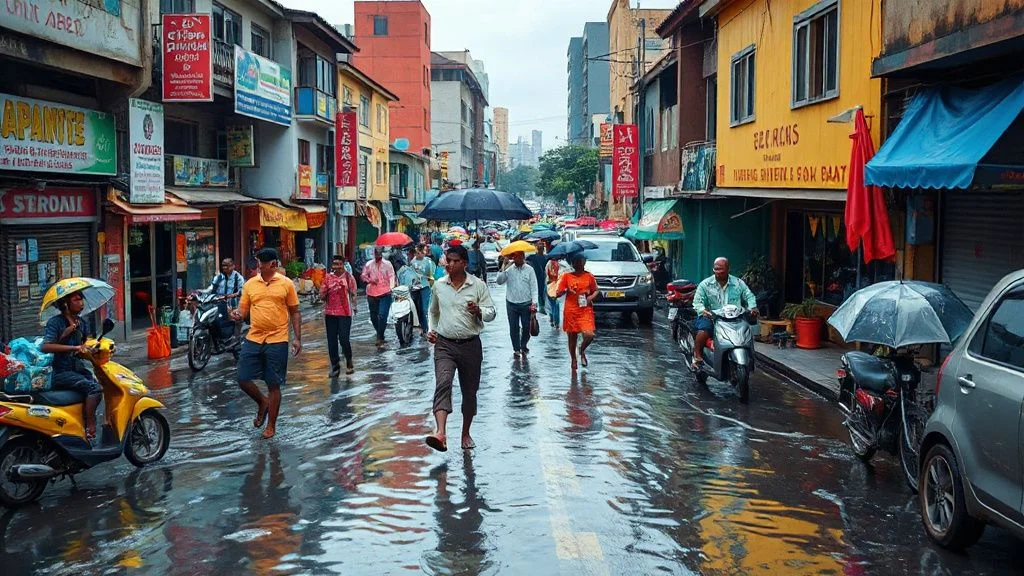
The rainy season in Lagos significantly impacts daily life, especially for expatriates. Flooding can disrupt housing, transportation, and health services, making it essential to understand these challenges. Residents must prepare for potential flooding by choosing suitable housing, staying informed about weather conditions, and prioritizing health and safety measures.
What can we help you with?
Three short questions, then just how to reach you. No account needed.
In Lagos, Nigeria, the rainy season presents both challenges and adaptations for residents and expatriates alike. As the city grapples with annual flooding, understanding the implications on daily life is crucial for anyone planning to move to or live in this vibrant megacity. This article delves into how flooding during the rainy season affects housing, transportation, healthcare, and overall quality of life in Lagos.
Understanding the Rainy Season in Lagos
The rainy season in Lagos is characterized by a variety of rainfall events, which can lead to significant flood risks. The city's geographical layout makes it particularly susceptible to flooding.
As a result of climate change, the frequency and severity of flooding events in Lagos have increased. Understanding these patterns helps expatriates prepare for the challenges that come with living in a city prone to such natural events.
Housing and Flood Risks
Finding suitable housing in Lagos can be daunting, especially during the rainy season. Many neighborhoods, particularly those close to the waterfront or in low-lying areas, are more susceptible to flooding. Areas like Victoria Island and Lekki are often considered prime locations, but they also face significant flood risks. Consequently, expatriates should prioritize properties built with flood-resistant designs or in areas with robust drainage systems.
It is advisable to conduct thorough inspections of properties before signing leases, focusing on the condition of drainage systems and the elevation of the building. Additionally, consider properties that have been constructed with flood resilience in mind—features such as elevated foundations, proper drainage systems, and waterproof materials can make a significant difference in mitigating flood damage.
Transportation Challenges During Flooding
Transportation in Lagos can be severely impacted by flooding. Major roads may become impassable, and public transport services can be disrupted, causing significant delays. Critical connections between the mainland and Lagos Island may also face congestion as drivers seek alternative routes. During heavy rainfall, traffic jams are common as drivers navigate flooded streets.
For expatriates, having a reliable vehicle can be beneficial, but it is vital to understand the local driving conditions during the rainy season. Always check the weather forecast and seek alternative routes that are less prone to flooding. Additionally, familiarizing yourself with local transport options, such as ride-hailing services, can provide flexibility when navigating the city during inclement weather.
Health and Safety Considerations
The health implications of flooding in Lagos are significant. Floodwaters can become contaminated with pollutants, leading to outbreaks of waterborne diseases such as cholera and typhoid. Ensuring access to clean water and adequate sanitation is crucial. Expatriates should be cautious about consuming food and water during the rainy season, especially in areas prone to flooding.
Moreover, the psychological impact of living under the threat of flooding can lead to increased stress and anxiety. Expats should consider establishing support networks, engaging with local communities, and participating in community resilience-building activities that promote environmental awareness and preparedness.
Practical Tips for Expatriates Living in Lagos
- Know Your Area: Research the flood history of your neighborhood. Areas like Ikoyi and Victoria Island are popular but may face severe flooding during the rainy season.
- Stay Informed: Follow local news and weather updates to prepare for heavy rainfall and potential flooding. Apps and local radio stations can provide real-time information.
- Prepare an Emergency Kit: Have essentials like bottled water, non-perishable food, first-aid supplies, and important documents stored in a waterproof container.
- Emergency Contacts: Keep a list of local emergency numbers, including those for medical services and flood response teams.
- Build Community Connections: Engage with both expatriate and local communities. These relationships can provide valuable support and information during challenging times.
- Understand the rainy season's duration and flood risks in Lagos.
- Choose housing with flood-resistant features and inspect drainage systems.
- Stay informed about transportation disruptions and alternative routes during flooding.
- Be cautious about health risks, including waterborne diseases from floodwaters.
- Engage with local communities for support and information on flood preparedness.
Government and Community Responses to Flooding
The government of Lagos has recognized the challenges posed by flooding and has initiated several programs aimed at mitigating its impact. The construction of drainage systems and the maintenance of existing drainage networks are part of ongoing efforts to manage flood risks. Additionally, the Lagos State Government has implemented policies focusing on urban planning and environmental sustainability to reduce vulnerability to flooding.
Community initiatives are also vital in addressing the effects of flooding. Local organizations often engage in awareness campaigns to educate residents about flood preparedness and sustainable practices. Participating in these initiatives can empower expatriates to play an active role in their communities while enhancing their understanding of local challenges and solutions.
Conclusion
Living in Lagos during the rainy season requires a proactive approach to navigating the potential impacts of flooding. From securing appropriate housing to adapting transportation methods and prioritizing health and safety, expatriates can take concrete steps to minimize disruptions. By understanding the local context and engaging with the community, residents can enhance their resilience and enjoy the vibrant culture that Lagos has to offer despite the challenges posed by the rainy season.