The Yankari Game Reserve, located in Bauchi State, Nigeria, is a remarkable destination for wildlife enthusiasts and nature lovers. Covering an impressive area of 2,244 square kilometers, it is Nigeria's richest wildlife oasis, teeming with a variety of fauna and offering a unique glimpse into the country's natural heritage. This guide provides insights into the reserve’s wildlife, conservation efforts, and practical tips for visitors.
What can we help you with?
Three short questions, then just how to reach you. No account needed.
Wildlife in Yankari Game Reserve
Iconic Species
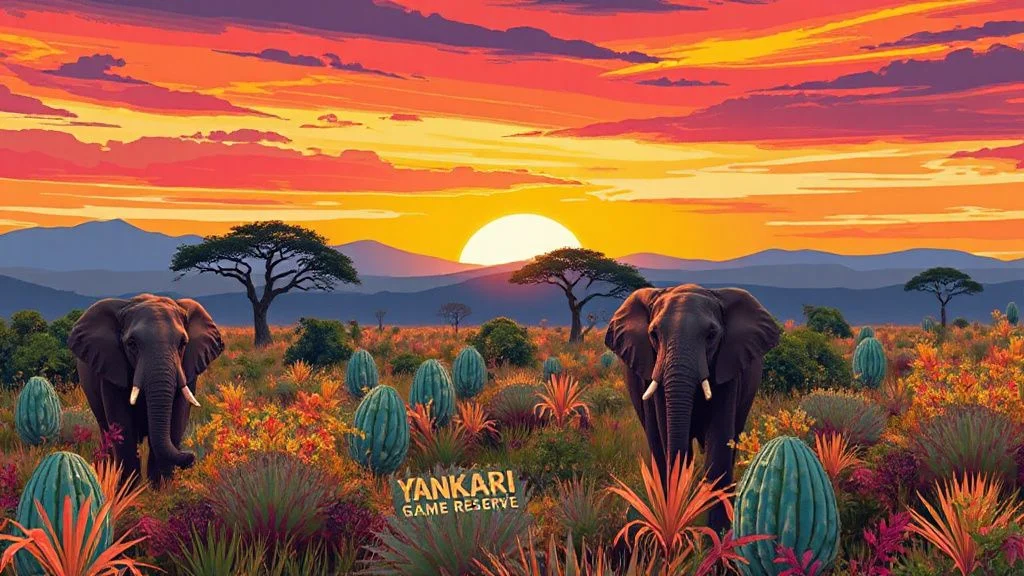
Yankari is renowned for its largest surviving elephant population in Nigeria, estimated to be between 100-150 individuals. This population is crucial, as it represents one of the few viable herds remaining in West Africa. The presence of these majestic creatures draws tourists from around the globe, eager to witness them in their natural habitat.
In addition to elephants, the reserve is home to the critically endangered West African lion, one of only four known populations in Nigeria. Other notable wildlife includes buffalo, hippopotamus, roan antelope, and hartebeest, all contributing to the unique biodiversity of the region. Birdwatchers will also find the reserve a paradise, with a diverse range of bird species recorded, making it an excellent location for avian enthusiasts.
Flora and Ecosystem
The diverse ecosystem of Yankari comprises savanna, woodlands, and wetlands, providing a rich habitat for its wildlife. The reserve's vegetation ranges from dense forests to open grasslands, which are vital for both herbivores and the predators that hunt them. The presence of thermal springs, known as the Yankari Warm Springs, adds to the ecological variety, creating microhabitats that support different species of flora and fauna.
Visitors may also encounter unique plant species, such as the baobab tree and various types of acacia. These plants not only support the local wildlife but are also integral to the cultural heritage of the indigenous communities living in and around the reserve.
Conservation Efforts and Challenges
Current conservation strategies
Since its establishment as a game reserve in 1956 and later upgraded to a national park in 1991, Yankari has faced numerous challenges, particularly after the management transitioned to the Bauchi State Government in 2006. Increased poaching and habitat destruction have threatened its wildlife. However, since 2014, the Wildlife Conservation Society (WCS) has signed a memorandum of understanding with the state government to co-manage the reserve, leading to improved protection measures.
The WCS has implemented SMART-based ranger patrols, enhancing the effectiveness of wildlife protection. These rangers are trained and equipped to combat poaching and monitor wildlife populations, significantly reducing illegal hunting and improving the overall safety of the reserve's inhabitants.
Community Involvement
Engaging local communities is crucial for the long-term success of conservation efforts. The WCS has been working to foster understanding and support among the local populations by addressing issues such as crop damage caused by wildlife. By involving communities in conservation discussions and creating alternative livelihood opportunities, the reserve aims to reduce conflict and promote coexistence between humans and wildlife.
Furthermore, educational programs are being developed to raise awareness about the importance of biodiversity and the ecological services provided by the reserve, ensuring that future generations appreciate and protect this vital ecosystem.
Visiting Yankari Game Reserve
Accessibility and Transportation
Yankari Game Reserve is accessible by road from nearby cities, making it a convenient destination for visitors. Various transportation options are available, including private vehicles and local taxis. It is advisable for visitors to arrange transportation in advance, particularly during peak tourist seasons.
Once inside the reserve, various accommodation options cater to different budgets. Visitors can choose from a tourist camp in the center of the reserve, which offers proximity to the stunning wildlife and natural features of the reserve.
Best Time to Visit
While specific details on the best time to visit Yankari are not provided, it is generally advisable to plan visits during periods when wildlife is more active and visible. Visitors should prepare for warm weather and stay hydrated during their stay.
During the rainy season, the landscape becomes lush and vibrant, but wildlife may be harder to spot as animals disperse into the denser vegetation. Visitors should be aware that access roads may become challenging during heavy rains.
What Expats Should Know
Safety Considerations
While Yankari Game Reserve is a relatively safe destination for tourists, it is essential to adhere to safety guidelines. Always follow the instructions of park rangers and guides, especially during wildlife viewing excursions. Avoid walking alone in the bush and maintain a safe distance from animals.
Visitors should also stay informed about local conditions and any travel advisories related to health and safety. Vaccinations and malaria prophylaxis are recommended for travelers heading to this region.
Practical Tips for Visitors
To maximize your experience in Yankari, consider the following tips:
- Book guided tours for in-depth knowledge and safety during wildlife sightings.
- Carry binoculars and a good camera to capture the rich wildlife and scenery.
- Respect local customs and practices, as the reserve is home to indigenous communities.
- Pack light, breathable clothing and sturdy footwear suitable for hiking.
In conclusion, the Yankari Game Reserve is a must-visit for anyone interested in Nigeria's wildlife and natural beauty. With its rich biodiversity, ongoing conservation efforts, and accessibility, it offers a unique adventure while highlighting the importance of preserving Nigeria's ecological treasures.