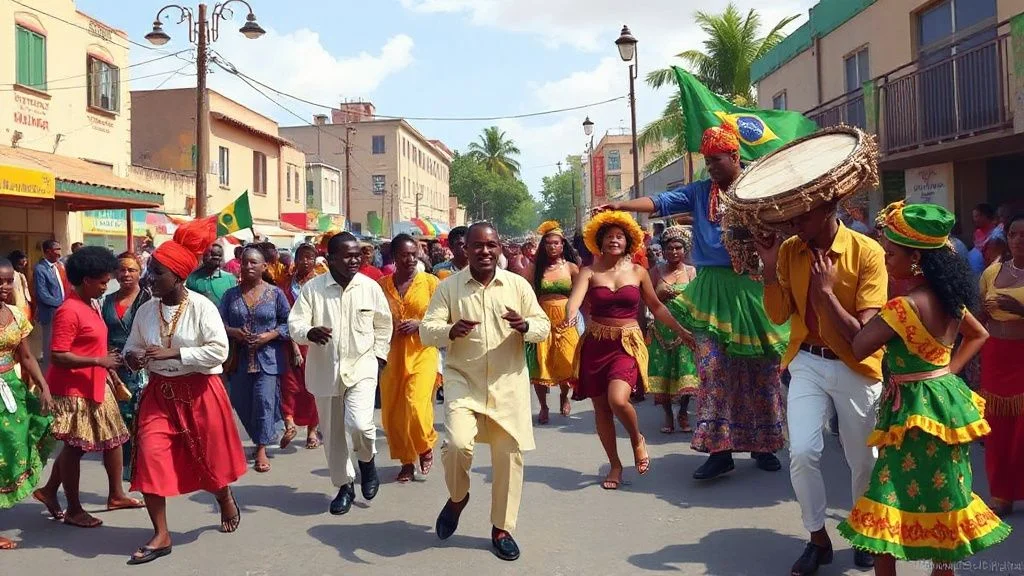
Researching Nigeria’s diverse cultural heritage is greatly enhanced by leveraging the country's national archives and museums. This guide provides an in-depth look at these pivotal institutions, focusing on their collections, accessibility, and the resources they offer to researchers and scholars.
What can we help you with?
Three short questions, then just how to reach you. No account needed.
The National Archives of Nigeria
The National Archives of Nigeria, established in 1954 in Ibadan, is a cornerstone for preserving Nigeria's documentary heritage. It serves as a repository for government records, historical documents, and vital cultural materials that chart Nigeria's rich history and diverse cultures. Today, it has branch offices in cities like Enugu and Kaduna, expanding its reach and accessibility.
Collections and Resources
The archives hold a broad array of materials, including:
- Government Records: These encompass colonial records, birth and death registries, land documents, and legislative materials, essential for historical and genealogical research.
- Historical Manuscripts: The archives preserve manuscripts that reflect the socio-political dynamics of Nigeria’s various ethnic groups, offering insights into their histories and traditions.
- Photographs and Audio-Visual Materials: These collections document key events in Nigeria's history—ranging from pre-colonial times to contemporary developments—making them invaluable for visual and auditory research.
Accessibility for Researchers
Researchers interested in accessing the National Archives should note that prior arrangements are generally required. It is advisable to:
- Contact the Archive: Reach out via email or phone to inquire about specific collections and the necessary permissions for access.
- Plan Your Visit: The archives may require appointments, especially for special collections. It's wise to check the current operational hours and any potential restrictions due to ongoing renovations or public health guidelines.
The National Museum of Nigeria
Another vital institution for researchers is the National Museum of Nigeria, with its main branch located in Lagos. This museum is a treasure trove of Nigeria’s cultural artifacts, showcasing art, sculpture, and historical items from various regions of the country.
Key Exhibits
The National Museum is renowned for its collections, which include:
- Benin Bronzes: These iconic artifacts from the Kingdom of Benin are celebrated for their intricate craftsmanship and historical significance, offering insights into the artistry and governance of the Benin Empire.
- Traditional Nigerian Artifacts: The museum houses a variety of masks, textiles, and pottery that represent Nigeria’s numerous ethnic groups, making it a valuable resource for understanding cultural practices and traditions.
- Archaeological Finds: The museum's archaeological section includes items from ancient civilizations, providing a context for Nigeria's rich historical narratives.
Research Opportunities
Researchers can benefit from the National Museum in several ways:
- Educational Programs: The museum regularly hosts workshops, lectures, and exhibitions that delve into various aspects of Nigerian culture, history, and art. Participation can enhance understanding and provide networking opportunities.
- Access to Curators: Engaging with museum staff can yield insights into specific artifacts or collections, as curators often possess extensive knowledge about the items and their relevance to Nigerian history.
- Field Studies: The museum's connections can facilitate fieldwork opportunities in various cultural sites across Nigeria, allowing for a deeper exploration of local traditions and histories.
Regional Archives and Museums
In addition to the National Archives and Museum, Nigeria is home to numerous regional archives and museums that offer unique insights into local cultures. These institutions often focus on more localized historical narratives and artifacts.
Examples of Notable Regional Institutions
- The Jos Museum: Located in Plateau State, this museum is renowned for its archaeological collections, particularly artifacts from the Nok culture, one of the earliest known civilizations in Nigeria. Researchers can study artifacts that date back to 1000 BC, providing a critical understanding of early human development in the region.
- The Oyo State Museum: This museum focuses on the history of the Yoruba people, showcasing artifacts that highlight their rich cultural heritage. It’s an excellent resource for researchers interested in Yoruba traditions, history, and the socio-political dynamics of the Yoruba Empire.
- The Enugu State Cultural Centre: This center houses various cultural artifacts and promotes the history of the Igbo people, making it a unique resource for research into Igbo culture and traditions.
Research Considerations
While accessing regional archives and museums can provide valuable information, researchers should consider:
- Local Knowledge: Engaging with local scholars or historians can provide context and depth to the research, as they often have a nuanced understanding of the artifacts and their significance.
- Language Proficiency: Although English is widely spoken, knowledge of local languages can be beneficial, especially when engaging with community members or reading indigenous texts.
Practical Tips for Researchers
To maximize the experience of researching in Nigeria’s archives and museums, consider the following practical tips:
- Prepare Thoroughly: Before visiting, compile specific questions or topics of interest to streamline your research process. Familiarize yourself with the institutions’ collections and any relevant publications.
- Networking: Build connections with local researchers, historians, and archivists. They can provide guidance, share resources, and help navigate the complexities of Nigerian cultural heritage.
- Respect Local Customs: Understanding and respecting local customs and cultural practices is vital. Engaging with the community respectfully can lead to richer research experiences.
Conclusion
Nigeria’s national archives and museums are invaluable resources for researchers exploring the country’s rich cultural heritage. By utilizing these institutions, researchers can access extensive collections, engage with knowledgeable staff, and gain insights that enhance their understanding of Nigeria’s complex history. Whether through the National Archives, the National Museum, or various regional institutions, the opportunities for research are vast and rewarding.
Primary Sources
Last updated: October 2026