Relocating to Nigeria can be an exciting yet daunting experience, especially for expatriates and returning Nigerians who may not speak any of the local languages. While Nigeria is a linguistically diverse country with many languages spoken, English is the official language, which simplifies communication for many newcomers. This article explores whether you can live comfortably in Nigeria without speaking local languages, offering practical advice and insights into daily life, culture, and social interactions.
What can we help you with?
Three short questions, then just how to reach you. No account needed.
Understanding the Linguistic Landscape
Nigeria's linguistic diversity is one of its most fascinating aspects. While English is the official language used in government, business, and education, many Nigerians communicate in their local languages, such as Hausa, Yoruba, and Igbo. This multilingual environment can be intimidating for newcomers, but it also presents opportunities for cultural immersion.
In urban areas like Lagos and Abuja, English is widely spoken, particularly among educated professionals and in business settings. Many expatriates find that they can navigate daily life, from shopping to dining, without needing to speak local languages. However, understanding a few basic phrases in local languages can enhance your experience and help you connect with locals on a deeper level.
Daily Life and Communication
Shopping and Dining
In major cities, you will find numerous supermarkets, malls, and restaurants where English is the primary language of communication. Staff in these establishments are typically accustomed to interacting with expatriates and can assist you in English. For instance, international grocery stores often carry a range of products familiar to Western consumers, making it easier to find what you need.
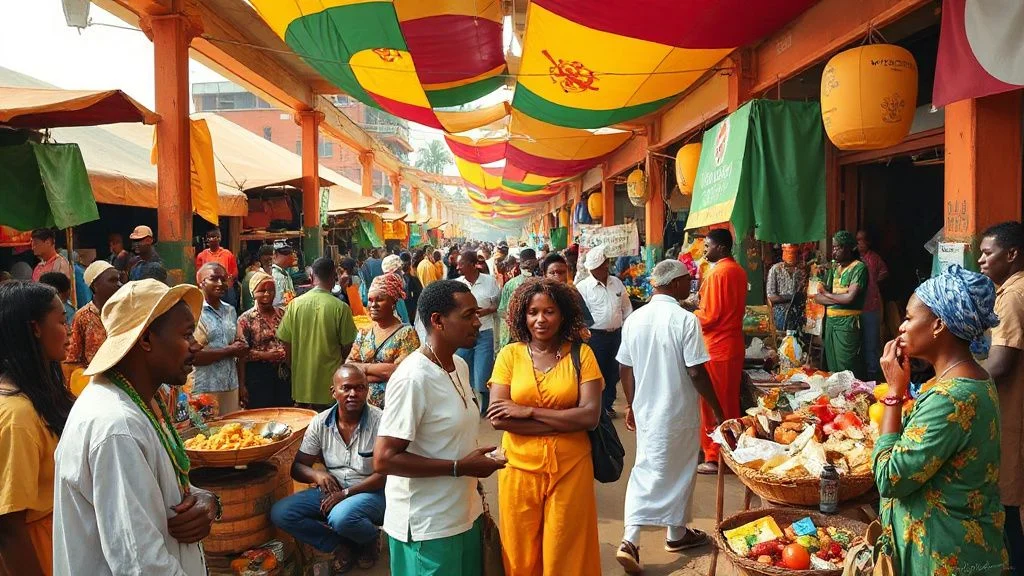
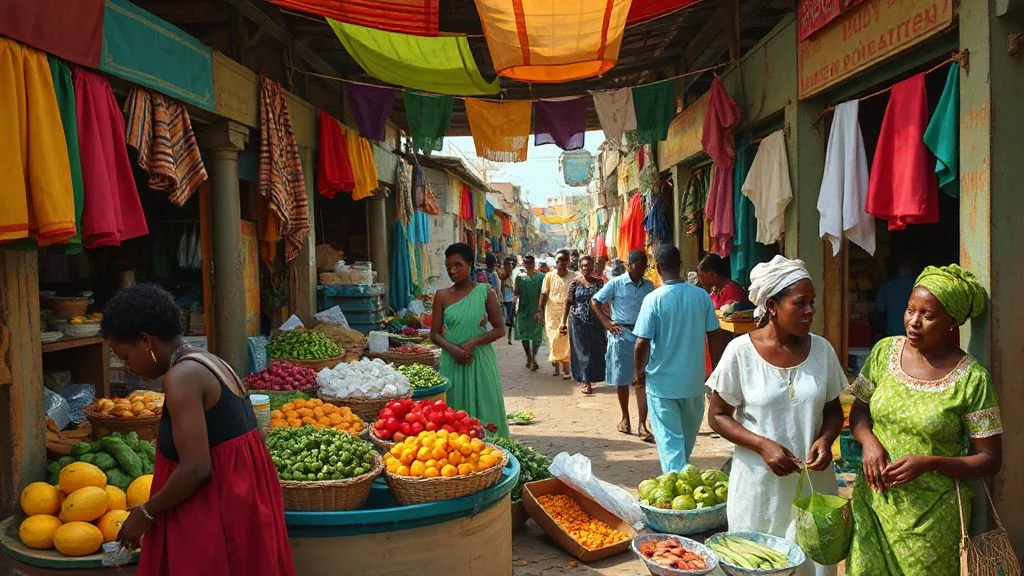
However, when visiting local markets or smaller shops, you may encounter vendors who primarily speak local languages. In these situations, a friendly smile and gestures can go a long way. Learning a few key phrases, such as “thank you” or “how much?” in the local language can help break the ice and create a more enjoyable shopping experience.
Transportation
Getting around Nigeria's bustling cities is manageable without local language skills. Ride-hailing services are popular and typically operate in English, allowing you to book rides easily. Public transportation options, such as buses and taxis, may require some navigation, but many drivers understand basic English. Familiarizing yourself with common routes and landmarks can help you communicate your destination effectively.
For longer trips, consider using intercity bus services that cater to travelers. These companies often have English-speaking staff, making it easier to purchase tickets and understand schedules. If you plan to travel to more remote areas, having a local guide or driver who speaks the language can enhance your experience and ensure smooth communication.
Social Interactions and Cultural Etiquette
Building Relationships
Establishing connections with locals can enrich your experience in Nigeria. While English is widely spoken, many Nigerians appreciate when foreigners make an effort to learn about their culture and language. Engaging in small talk, even if it’s just a simple greeting in a local language, can foster goodwill and open doors to new friendships.
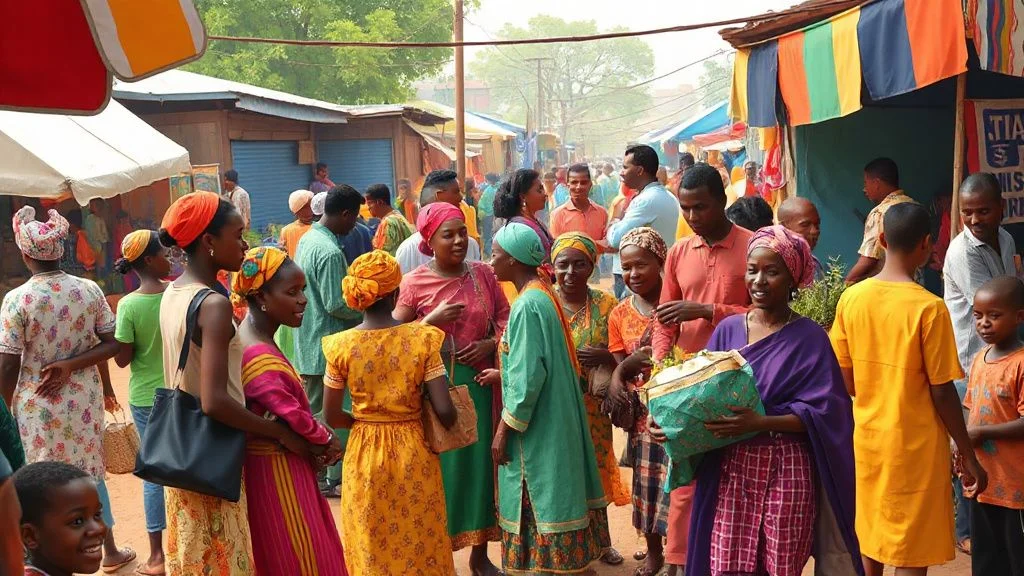
Participating in community events, festivals, and gatherings is another excellent way to immerse yourself in Nigerian culture. Events such as local festivals provide opportunities to meet locals and experience traditional customs. While you may not understand every word spoken, the warmth and hospitality of the Nigerian people will make you feel welcome.
Understanding Cultural Norms
Familiarizing yourself with Nigerian cultural norms can help you navigate social interactions more smoothly. For instance, greetings are an essential part of Nigerian culture. When meeting someone, it is customary to greet them warmly, often by asking about their well-being or family. This practice is important in establishing rapport, and even a simple “hello” can go a long way.
Additionally, respect for elders is deeply ingrained in Nigerian culture. When interacting with older individuals, using appropriate titles and showing deference is expected. Understanding these cultural nuances will help you avoid misunderstandings and demonstrate your respect for local customs.
Work Environment and Professional Life
Business Communication
In the professional sphere, English is the dominant language, especially in multinational companies and industries that cater to expatriates. Most business meetings, presentations, and negotiations are conducted in English, making it easier for non-local speakers to participate effectively. However, being aware of local business etiquette is crucial for success.
For example, building personal relationships is often prioritized in Nigerian business culture. Taking the time to engage in casual conversations before discussing business matters can help establish trust. Additionally, being punctual is appreciated, but it’s also important to be flexible, as schedules can be fluid.
Networking Opportunities
Networking is vital for career advancement in Nigeria. Engaging with local professional organizations, attending industry conferences, and participating in workshops can help you expand your network. Many of these events are conducted in English, allowing you to connect with like-minded professionals and gain insights into the local market.
Joining expatriate groups or social clubs can also provide valuable support and resources. These communities often organize events where you can meet others in similar situations, share experiences, and learn about navigating life in Nigeria without local language skills.
Practical Tips for Expats
Language Learning Resources
While it is possible to live comfortably in Nigeria without speaking local languages, learning a few key phrases can enhance your experience. Consider using language learning apps or online resources that focus on Nigerian languages. Many of these platforms offer basic vocabulary and phrases that can be useful in everyday interactions.
Additionally, enrolling in a language class or finding a local tutor can provide structured learning opportunities. Engaging with locals who are willing to teach you their language can also be a rewarding experience, fostering deeper connections and understanding of the culture.
Embracing Cultural Experiences
Participating in cultural activities, such as cooking classes, dance workshops, or art exhibitions, can provide insights into Nigerian traditions and customs. These experiences often involve interactions with locals, allowing you to practice your language skills in a supportive environment. Embracing these opportunities will enrich your time in Nigeria and help you feel more at home.
Conclusion
In summary, living comfortably in Nigeria without speaking local languages is entirely feasible, particularly in urban areas where English is widely spoken. By understanding the linguistic landscape, navigating daily life, and embracing cultural experiences, expatriates can thrive in this vibrant country. While language skills can enhance your experience, the warmth and hospitality of the Nigerian people will make your transition smoother. Engaging with the culture, building relationships, and being open to learning will ensure a fulfilling life in Nigeria.
Primary Sources
Last updated: October 2026