The Osun-Osogbo Sacred Grove, located in Osun State, Nigeria, is a remarkable UNESCO World Heritage Site recognized for its deep cultural, spiritual, and historical significance. This sacred forest, dedicated to Osun, the Yoruba goddess of fertility, showcases the rich traditions and beliefs of the Yoruba people. In this article, we will explore the reasons behind its UNESCO designation, its cultural practices, and what expats and visitors should know about this unique location.
What can we help you with?
Three short questions, then just how to reach you. No account needed.
Historical Context of Osun Osogbo Sacred Grove
The Osun-Osogbo Sacred Grove has a rich history that dates back over four centuries. It is one of the last remaining sacred forests that once surrounded various Yoruba settlements. The grove is situated along the banks of the Osun River and serves as a vital religious site for the Yoruba community. The area hosts numerous shrines, sculptures, and ceremonial paths that reflect the community's spiritual connection to nature and the divine.
The grove was inscribed as a UNESCO World Heritage Site in 2005, recognizing its global significance and cultural value. The site symbolizes the Yoruba people's identity, as many sacred groves have disappeared due to urbanization and development. Osun-Osogbo stands as an essential reference point for the Yoruba culture and the diaspora, showcasing the importance of preserving such sites for future generations.
Cultural Significance and Festivals
One of the most prominent aspects of the Osun-Osogbo Sacred Grove is its role in the annual Osun-Osogbo Festival, which takes place every August. This two-week celebration attracts thousands of worshippers and tourists from around the world. The festival includes various traditional rituals, such as the 'Iwopopo,' a cleansing ceremony for the city, performed by the Ataoja, the traditional ruler of Osogbo. This ceremonial cleansing is followed by a procession that culminates in a visit to the sacred shrine dedicated to Osun.
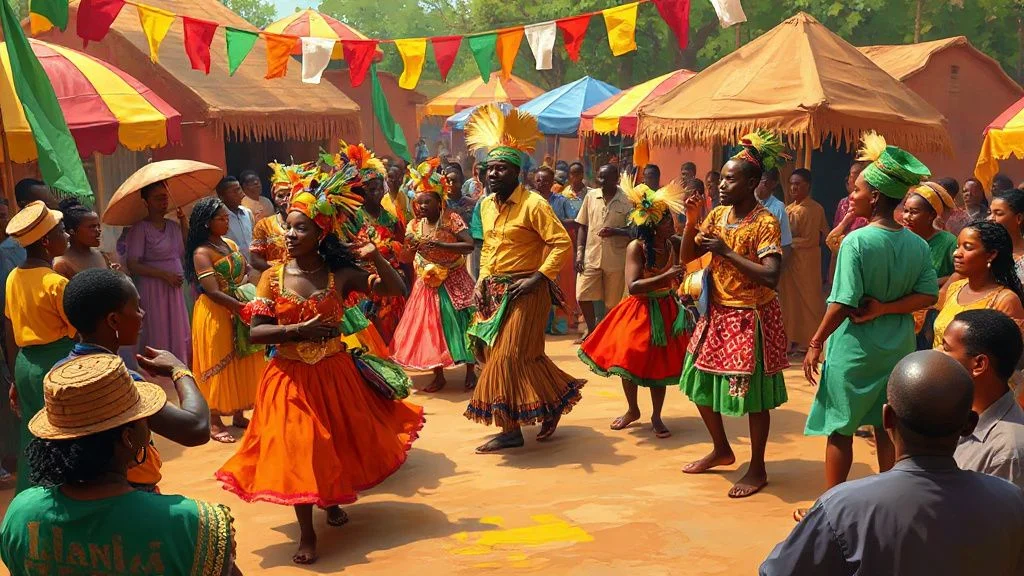
During the festival, participants engage in drumming, dancing, and wearing elaborate costumes, all while reciting praise poetry in the Yoruba language. The Arugba, a young woman of noble lineage, plays a crucial role in the festivities by offering sacrifices to the goddess. The event serves as a unifying factor for the Yoruba community in Osogboland, regardless of their individual social, economic, or religious backgrounds.
Architectural and Natural Features
The Osun-Osogbo Sacred Grove is not only significant for its cultural practices but also for its architectural beauty and natural landscape. The grove is dotted with artistic sculptures and shrines that honor Osun and other deities. The meandering Osun River enhances the serene environment, creating a spiritual atmosphere that draws visitors. Artisans and priests actively maintain the site, ensuring that it remains a vibrant place of worship.
Visitors can explore the intricate carvings and sculptures that depict various deities and elements of Yoruba mythology. These artistic expressions are not only visually stunning but also serve to educate visitors about the rich cultural heritage of the Yoruba people. The preservation of these artworks is essential, as they embody the stories and beliefs that have been passed down through generations.
Challenges and Conservation Efforts
Despite its cultural significance, the Osun-Osogbo Sacred Grove faces challenges that threaten its integrity. Rapid urbanization in Osogbo has put pressure on the land surrounding the grove, leading to concerns about pollution and environmental degradation. The Osun River, an essential part of the grove, has been increasingly affected by pollution, which poses risks to the ecosystem and the rituals performed in its waters.
In response to these challenges, local communities and conservation organizations are working to protect the sacred grove. Initiatives aim to raise awareness about the importance of preserving cultural heritage and natural environments. The active participation of the Osogbo community is crucial in advocating for sustainable practices that will safeguard the grove for future generations.
Practical Tips for Expats and Visitors
If you're planning to visit the Osun-Osogbo Sacred Grove, here are some insider tips to enhance your experience:
- Timing Your Visit: Consider visiting during the Osun-Osogbo Festival in August for an immersive cultural experience. However, the grove is open year-round for those seeking a quieter visit.
- Respect Local Traditions: Observing local customs and etiquette is crucial. Dress modestly and be mindful of ongoing rituals and ceremonies.
- Engage with Local Guides: Hiring a local guide can provide deeper insights into the history and significance of the grove, enriching your visit.
- Contribute to Conservation Efforts: Support local artisans and vendors by purchasing handmade crafts. Your contributions can aid in the preservation of the grove.
- Photography Etiquette: Always ask for permission before taking photos of individuals, especially during religious ceremonies.
Conclusion
The Osun-Osogbo Sacred Grove stands as a testament to the rich cultural heritage of the Yoruba people, embodying their spiritual beliefs and traditions. As a UNESCO World Heritage Site, it not only highlights the importance of preserving cultural landscapes but also serves as a vital reminder of the connection between nature and spirituality. For expatriates and visitors, experiencing the grove offers a unique opportunity to engage with Nigeria's vibrant culture and history while supporting ongoing efforts to protect this invaluable site.