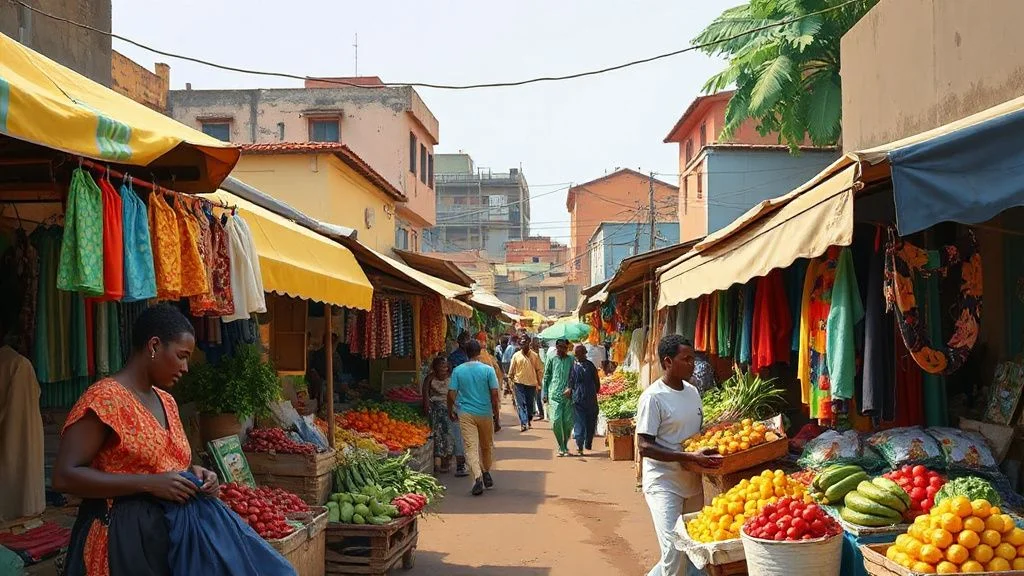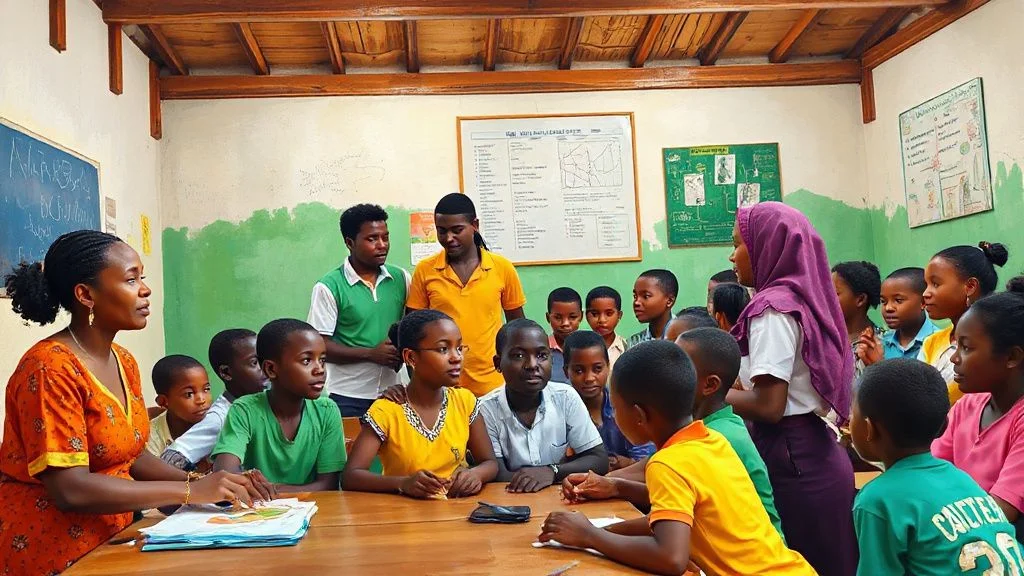
Volunteering in Nigeria offers a unique opportunity to make a significant impact on local communities while immersing yourself in the country's vibrant culture. This guide explores various aspects of volunteering, from the types of organizations and projects available to practical tips for expatriates and returning Nigerians looking to contribute meaningfully.
What can we help you with?
Three short questions, then just how to reach you. No account needed.
Understanding the Volunteering Landscape in Nigeria
Nigeria is home to numerous non-governmental organizations (NGOs) and community-based groups that address a wide range of social issues, including education, health, and environmental conservation. The Volunteers of Nigeria (VON), for instance, engages both national and international volunteers in community projects aimed at improving lives across the country. Their programs include libraries, food delivery to the elderly, and educational workshops, fostering a sense of social responsibility and activism among volunteers.
Volunteering opportunities in Nigeria typically focus on three main sectors: health, education, and community development. For instance, organizations like ICYE Nigeria facilitate projects that allow volunteers to teach in schools or support health initiatives. Volunteers work alongside local staff to address pressing needs, such as tutoring children in literacy programs or providing health education in rural clinics.
Types of Volunteer Opportunities Available
1. Education and Youth Development
Education is a critical area where volunteers can make a lasting impact. Many organizations seek volunteers to assist in schools, helping to improve literacy and provide extra lessons for students. For example, volunteer-led literacy programs in rural areas have successfully engaged children at risk of dropping out of school. Volunteers often participate in creating fun learning environments, organizing activities that make learning enjoyable and effective.
Additionally, volunteers can support after-school programs that offer mentorship and tutoring. This not only enhances educational outcomes but also helps build positive relationships between volunteers and local youth, fostering cross-cultural understanding and community ties.
2. Health Initiatives
Volunteers can engage in health-related projects that address public health challenges in various communities. Organizations often require assistance in clinics, where volunteers might help with patient education, vaccination drives, or maternal health initiatives. For instance, some programs focus on educating mothers about nutrition and hygiene, significantly improving health outcomes for children in vulnerable communities.
Volunteers willing to work in health settings should be prepared for challenges, including limited resources and infrastructure. However, the experience gained can be profoundly rewarding, as volunteers witness firsthand the positive changes their efforts can bring to a community.
3. Community Development Projects
Community development initiatives often focus on improving local infrastructure and promoting environmental sustainability. Volunteers can participate in projects that build schools, improve sanitation facilities, or support local businesses. For example, initiatives aimed at constructing clean water wells have made a remarkable difference in rural areas, providing communities with essential resources for health and hygiene.
Moreover, volunteers can engage in environmental conservation efforts, such as tree planting and waste management awareness campaigns. These projects not only enhance the local environment but also educate community members about sustainable practices that can lead to long-term benefits.
Cultural Nuances and Adapting to Local Life
Understanding and adapting to Nigerian culture is vital for a successful volunteering experience. Embracing local customs, language, and social norms can help volunteers connect more deeply with community members. For instance, learning basic greetings in local languages, such as Yoruba or Hausa, can break down barriers and foster goodwill.
Additionally, being aware of cultural sensitivities, such as dress codes and social etiquette, is important. For example, women may need to dress conservatively in certain areas, while showing respect for local traditions can go a long way in building trust within communities.
Practical Tips for Volunteering in Nigeria
1. Research and Choose the Right Organization
Before committing to a volunteering opportunity, it’s essential to research various organizations to find one that aligns with your skills and interests. Websites like Idealist and Go Overseas offer listings of reputable NGOs and projects throughout Nigeria. Reach out to past volunteers for insights about their experiences and any challenges they encountered.
2. Prepare for Health and Safety
Health precautions are crucial when volunteering in Nigeria. Ensure that you receive the necessary vaccinations, including hepatitis A and B, typhoid, and yellow fever. Additionally, consider bringing a mosquito net and insect repellent to protect against malaria. Familiarizing yourself with local healthcare facilities and emergency contacts can also enhance your safety while volunteering.
3. Understand Visa Requirements
Volunteering in Nigeria typically requires a visa. Ensure you have a valid visa, a letter of invitation from the organization you will be volunteering with, and documentation of your travel arrangements. This process can take time, so plan ahead to avoid any last-minute issues.
4. Be Open-Minded and Flexible
Being adaptable is key to a successful volunteering experience. Conditions may not always be as expected, and flexibility will help you navigate challenges. Embrace the opportunity to learn from local communities and fellow volunteers, appreciating different perspectives and approaches to problem-solving.
Conclusion
Volunteering in Nigeria provides a unique opportunity to make a meaningful impact while experiencing the rich culture and diversity of the country. By choosing the right organization, understanding cultural nuances, and being prepared for health and safety considerations, volunteers can contribute effectively to community development. This enriching experience not only benefits local communities but also fosters personal growth and global citizenship. Engage with local organizations, and you may find that the rewards of volunteering far exceed your expectations.
Primary Sources
Last updated: October 2026