Cancer care and oncology services in Nigeria are rapidly evolving, yet significant challenges persist. This guide aims to provide expatriates and returning Nigerians with a thorough understanding of the current landscape of cancer treatment, including available facilities, common types of cancer, and practical advice for navigating the healthcare system. You will learn about the efforts being made to improve the situation and how to access these services effectively.
What can we help you with?
Three short questions, then just how to reach you. No account needed.
Overview of Cancer in Nigeria
Cancer has emerged as a leading health crisis in Nigeria, with the incidence rising sharply in recent years. According to recent statistics, there were approximately 269,109 new cancer cases registered in 2022, marking a significant increase from previous years. Breast and prostate cancer are the most prevalent types, accounting for a substantial portion of these cases.
The burden of cancer in Nigeria is exacerbated by insufficient healthcare infrastructure, lack of awareness, and financial constraints. With only 27 cancer treatment centers scattered across a population of over 218 million people, patients often face long delays and limited access to necessary treatments. The Nigerian government and various organizations are making concerted efforts to improve cancer care, but the landscape remains challenging.
Common Types of Cancer
The most commonly diagnosed cancers in Nigeria include:
- Breast Cancer: Accounting for about 25.3% of all cancer cases, breast cancer is the leading cause of cancer-related mortality among women.
- Prostate Cancer: This is the most prevalent cancer among men, representing 14.1% of all cases.
- Cervical Cancer: With a significant burden on women’s health, cervical cancer accounts for 10.7% of cancer diagnoses.
- Colorectal Cancer: This type also poses a growing threat, with rising cases reported annually.
- Non-Hodgkin Lymphoma: This cancer type continues to be a concern, with a notable incidence rate.
Current State of Cancer Care Facilities
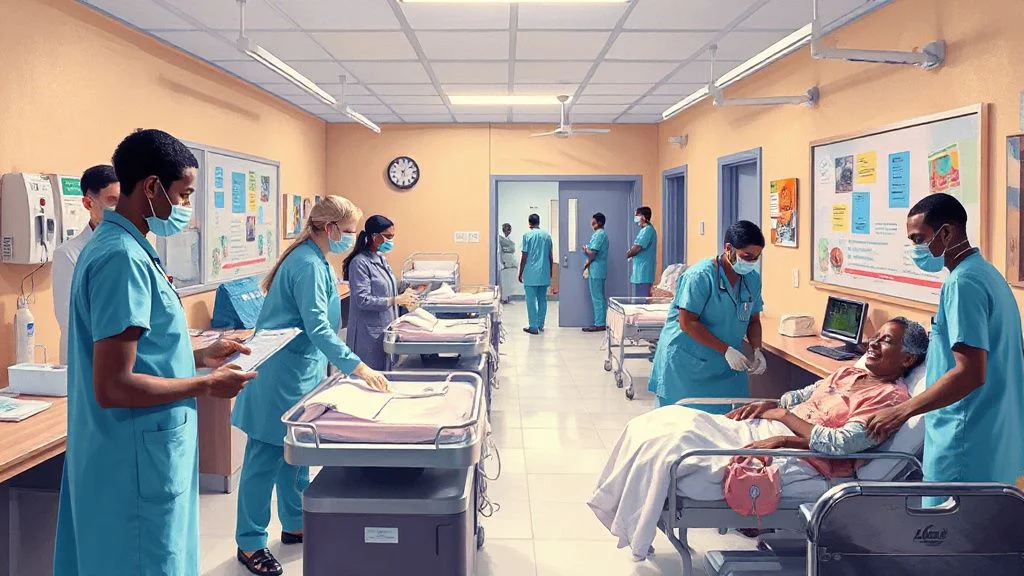
The availability of cancer treatment facilities in Nigeria is limited but improving. Major cities like Lagos and Abuja have seen the establishment of several dedicated cancer centers, which are vital for diagnosis and treatment. For example, the Lagos University Teaching Hospital (LUTH) has emerged as a key player, treating thousands of patients since its inauguration in 2019. As of 2024, it has provided over 8,500 radiotherapy sessions and more than 6,700 chemotherapy treatments.
Many of these centers are equipped with modern diagnostic and treatment technologies, yet equipment shortages and maintenance issues can hinder service delivery. Treatment options typically include surgery, chemotherapy, and radiotherapy, but the availability of these services can vary significantly between urban and rural areas. Patients often need to travel long distances to access specialized care.
Innovative Initiatives and Partnerships
Organizations such as Binaytara, a global oncology nonprofit, are stepping up to expand cancer care access in Nigeria. Through partnerships with local hospitals, they are improving infrastructure, providing training for healthcare workers, and enhancing treatment safety. For instance, Binaytara's collaboration with the Federal Medical Center in Lagos has introduced essential equipment like infusion pumps and safety cabinets for chemotherapy, significantly improving patient safety.
Moreover, digital platforms like OncoPadi are emerging, offering teleconsultation services that enable patients to access oncology specialists without the need for long-distance travel. This is particularly beneficial for individuals in remote areas who may otherwise face significant barriers to care.
Financial Considerations and Health Insurance
Understanding the financial landscape of cancer care in Nigeria is crucial for expatriates and returning Nigerians. Out-of-pocket expenses can be substantial, and many patients struggle to afford treatments. As a result, health insurance is a vital consideration when planning for cancer care. Some insurance plans offer coverage for cancer treatments, but the extent of this coverage can vary widely.
Expatriates should explore international health insurance options that cover cancer treatments in Nigeria. Local insurance providers may also offer plans, but it's essential to verify the details regarding coverage for cancer care specifically. Additionally, some organizations have established funds to support cancer patients who cannot afford treatment, which can be a valuable resource.
Accessing Oncology Services
For those seeking cancer care in Nigeria, understanding how to navigate the healthcare system is essential. Begin by consulting a general practitioner who can provide referrals to specialized oncologists. Major hospitals and cancer centers typically have dedicated oncology departments with specialists who can guide patients through diagnosis and treatment options.
It is advisable to gather all necessary documentation, including medical history and prior test results, before your appointment. This will facilitate a more efficient consultation process. Additionally, consider reaching out to local support groups or online communities for advice and experiences shared by other patients.
Practical Tips for Expats and Returning Nigerians
Adapting to the healthcare landscape in Nigeria can be daunting, especially for expatriates. Here are some practical tips to ease the process:
- Research Healthcare Facilities: Familiarize yourself with the cancer treatment centers in your area. Look for facilities accredited by recognized health organizations.
- Engage with Local Communities: Connecting with local expat groups can provide insights and support from others who have navigated the healthcare system.
- Be Proactive About Health: Regular screenings and awareness of cancer symptoms are critical. Educate yourself and your family about the types of cancer prevalent in Nigeria.
- Utilize Digital Health Resources: Explore telehealth options for consultations, especially if mobility is an issue or if you are located in a remote area.
- Budget for Healthcare Costs: Plan and allocate a budget for potential healthcare expenses, keeping in mind that treatment costs can vary widely.
Conclusion
The landscape of cancer care and oncology services in Nigeria is gradually improving, but challenges remain. Despite the advances in facilities and treatment options, the need for better awareness, funding, and access persists. For expatriates and returning Nigerians, understanding the healthcare system, exploring available resources, and being proactive about health can significantly enhance their experience. By leveraging local support networks and staying informed about the evolving healthcare environment, patients can navigate their cancer care journey with greater confidence.