Relocating to Nigeria, particularly to bustling cities like Lagos or Abuja, can be an exhilarating yet challenging experience. New arrivals often encounter a host of cultural nuances, logistical hurdles, and lifestyle adjustments that can lead to common mistakes. This article outlines these pitfalls and offers practical advice to help expatriates and returning Nigerians adapt seamlessly to their new environment.
What can we help you with?
Three short questions, then just how to reach you. No account needed.
Understanding Local Culture and Etiquette
One of the most significant mistakes new arrivals make is underestimating the importance of local culture and etiquette. Nigeria is a diverse country with many ethnic groups, each with its own customs and traditions. For instance, greetings are highly valued in Nigerian culture. A simple "Hello" may not suffice; you might be expected to ask about the person's well-being, family, and even their day. Failure to engage in this way can be perceived as rude.
To avoid this mistake, take the time to learn about the local customs of the area you are moving to. In Lagos, for example, the Yoruba culture is predominant, and greetings often involve specific phrases and gestures. In contrast, Abuja has a mix of cultures, including the Hausa and Igbo. Engaging with locals and observing how they interact can provide valuable insights into appropriate behavior.
Navigating Housing and Accommodation
Finding suitable housing can be a daunting task for newcomers. A common mistake is assuming that all neighborhoods are safe and well-connected. While areas like Victoria Island and Lekki in Lagos are known for their upscale living and amenities, other neighborhoods may lack basic services or have security concerns. Similarly, in Abuja, neighborhoods like Maitama and Wuse are considered safe and desirable, while others may not offer the same level of comfort.
To avoid housing-related pitfalls, conduct thorough research on potential neighborhoods. Utilize online forums and social media groups where expatriates share their experiences. It’s also advisable to visit neighborhoods in person, if possible, to assess safety, amenities, and proximity to work or schools. Engaging a reputable local real estate agent can also help you navigate the housing market effectively.
Managing Finances and Cost of Living
New arrivals often miscalculate the cost of living in Nigeria, leading to financial strain. While some items may be cheaper than in the UK or North America, others can be surprisingly expensive. For instance, imported goods like electronics and certain food items can be significantly pricier due to import duties. A common mistake is assuming that your budget will remain the same as it was in your home country.
To avoid financial missteps, create a detailed budget that reflects the local cost of living. Research typical prices for groceries, utilities, and transportation. Understanding these costs will help you plan better and avoid unexpected expenses.
Transportation and Commuting Challenges
Transportation in Nigeria can be quite different from what many expatriates are accustomed to. A common mistake is relying solely on ride-hailing apps or public transport without understanding the local traffic conditions. Lagos, in particular, is notorious for its traffic jams, which can significantly extend travel times. Newcomers may find themselves frustrated if they do not plan their commutes accordingly.
To navigate transportation effectively, consider alternative options such as carpooling or using local buses, which can be more efficient during peak hours. Additionally, familiarize yourself with the major routes and traffic patterns. Investing in a reliable vehicle can also be beneficial, but ensure you understand local driving laws and conditions, as driving practices may differ from what you are used to.
Healthcare and Medical Services
Another critical area where new arrivals often stumble is healthcare. Many expatriates assume that medical facilities in Nigeria will be similar to those in their home countries. However, the quality of healthcare can vary significantly. While major cities like Lagos and Abuja have reputable hospitals, rural areas may lack adequate medical services. A common mistake is not having a comprehensive health insurance plan that covers local healthcare needs.
To avoid healthcare-related issues, research local hospitals and clinics before an emergency arises. Ensure your health insurance covers treatments in Nigeria, and consider setting up a local health plan that includes access to private hospitals. It’s also wise to keep a list of local pharmacies and medical practitioners handy for quick reference.
Practical Tips for a Smooth Transition
To ease your transition into Nigerian life, consider these practical tips:
- Network with Other Expats: Join expatriate communities online or in person. These groups can provide invaluable support, advice, and friendship.
- Learn Basic Phrases: Familiarize yourself with basic phrases in local languages, such as Yoruba or Hausa. This effort can go a long way in building rapport with locals.
- Stay Informed: Keep abreast of local news and developments. Understanding the socio-political climate can help you navigate daily life more effectively.
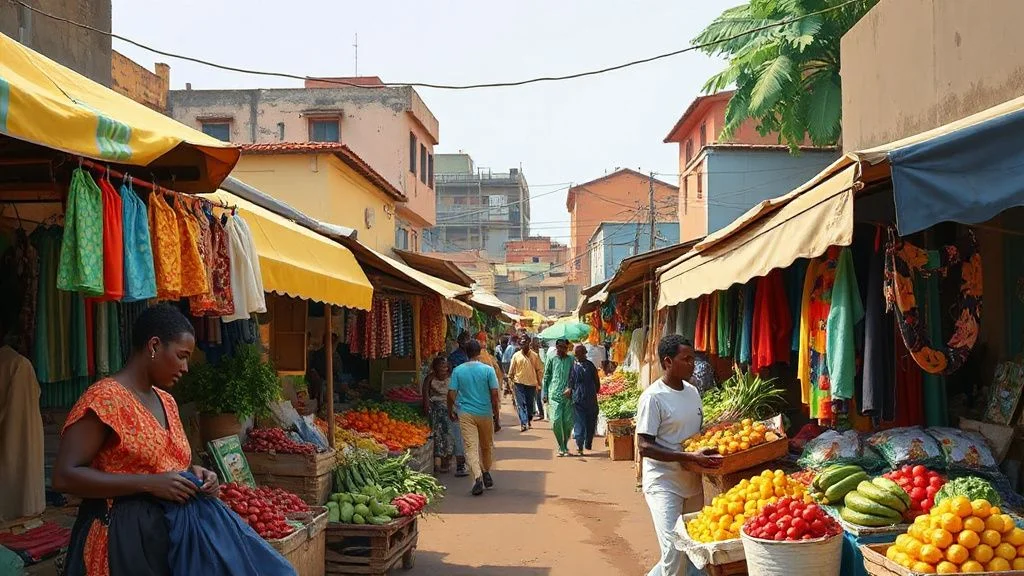
- Embrace Local Cuisine: While it’s tempting to seek out familiar foods, try local dishes to immerse yourself in the culture. Explore local markets for fresh produce and ingredients.
Conclusion
Relocating to Nigeria presents unique challenges, but by being aware of common mistakes and taking proactive steps, new arrivals can enjoy a smoother transition. Understanding local culture, navigating housing, managing finances, and adapting to transportation and healthcare systems are crucial for a successful experience. Embrace the journey, connect with locals, and immerse yourself in the vibrant Nigerian culture for a fulfilling stay.