
This guide was synthesized using the latest legislative data and verified by our editorial board. Laws are subject to change; always consult official sources for final confirmation.
Importing an electric vehicle into Nigeria involves navigating a complex process, especially regarding charging infrastructure. While customs duties have been adjusted, the limited availability of charging stations, particularly outside major cities like Lagos and Abuja, poses challenges. Many expats opt for home charging solutions to ensure convenience and reliability.
As Nigeria embraces the global shift towards cleaner energy, importing electric vehicles (EVs) has become a hot topic among expatriates and returning Nigerians. This guide will provide insights into the actual process of importing EVs, the associated costs, and the current realities of charging infrastructure in Nigeria, particularly for international professionals and the returning diaspora.
Understanding the Import Process for Electric Vehicles
The Nigerian government has recently implemented reforms aimed at promoting the adoption of electric vehicles, including adjustments to customs duties for EV imports. This reform is especially appealing in the context of rising fuel prices and inflation, making electric vehicles a more attractive option for many.
However, it’s essential to understand that the import process is not as straightforward as it may seem. Although the duty adjustments sound beneficial, the actual process involves navigating a complex bureaucratic landscape. To import an EV, you will need to familiarize yourself with the specific requirements and application processes, which can be time-consuming and may involve various fees. This complexity may deter potential buyers, especially those accustomed to more streamlined processes in other countries.
Cost Considerations When Importing an EV
When considering the cost of importing an electric vehicle, it’s imperative to factor in not just the purchase price but also the associated fees and potential logistical expenses. For instance, while the import duty might be adjusted, you will still incur costs such as shipping, insurance, and local registration. Shipping costs from Europe or North America to Nigeria can vary, and it is advisable to research and budget accordingly based on your specific circumstances.
It’s also worth noting that while there are savings on import duties, the upfront costs for electric vehicles remain high compared to traditional gasoline vehicles. Many expats transitioning to EVs from more affordable car markets may find this particularly challenging. Therefore, understanding the full financial implications is vital before making a decision.
The Charging Infrastructure Reality
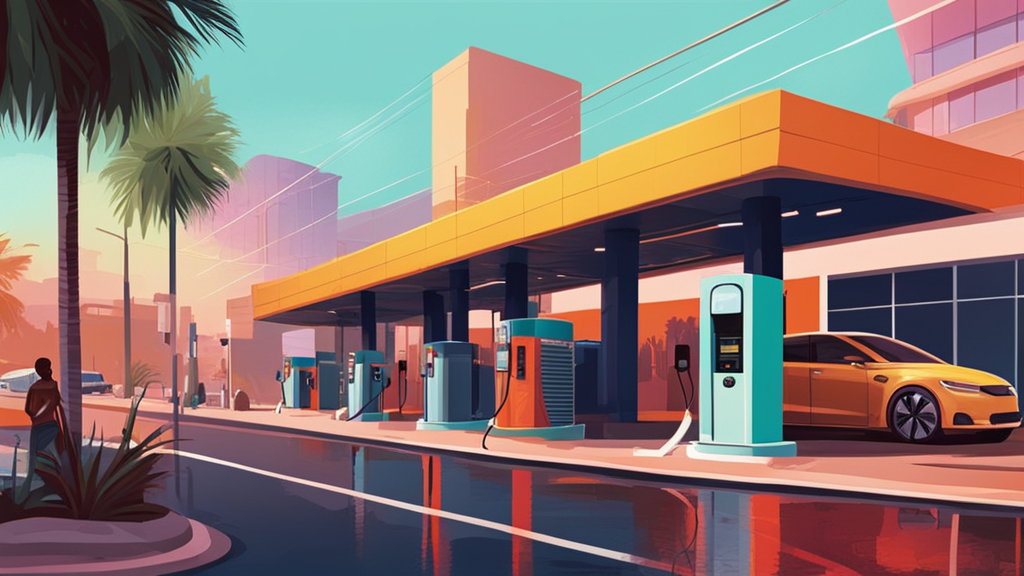
Although the Nigerian government is keen on promoting electric vehicles, the country’s charging infrastructure presents a significant challenge. Currently, the availability of charging stations is limited, particularly outside major urban areas like Lagos and Abuja. In these cities, you might find charging stations located at specific commercial centers or partnered with local businesses, but they often rely on alternative power sources due to the unreliable grid power supply.
For expats used to robust charging networks in other countries, the current state of EV charging in Nigeria may feel daunting. Many EV owners consider installing home charging units powered by alternative energy sources, which can add to the overall cost of vehicle ownership. Without a dedicated home charging solution, you may find yourself relying on public charging stations, which can be hit or miss in terms of availability and functionality.
- Understand the import process, including the specific requirements and application procedures.
- Factor in additional costs like shipping, insurance, and local registration, and research shipping costs thoroughly.
- Recognize the limited charging infrastructure, especially outside major urban areas, and consider home charging options.
Cultural Nuances and Adaptation
In adapting to life in Nigeria, expats should be aware of the cultural attitudes towards electric vehicles. While there is a growing interest in sustainable transportation options, traditional gasoline vehicles dominate the market. Engaging with local communities can provide insights into the practicalities of owning an EV and how to navigate the challenges associated with charging and maintenance.
Additionally, networking with other expatriates who own electric vehicles can be invaluable. They can share practical experiences regarding the best charging locations, maintenance tips, and even local mechanics familiar with EVs. Understanding these nuances can help ease the transition and enhance your overall experience living in Nigeria.
Practical Tips for Expatriates
For expatriates considering importing an electric vehicle into Nigeria, here are some practical tips to navigate the process effectively:
- Research Local Regulations: Before importing, familiarize yourself with the latest regulations regarding EV imports. Check for any updates or changes in the process to avoid unexpected issues.
- Consider Alternative Charging Solutions: Since charging infrastructure is still developing, consider investing in a reliable home charging setup using alternative energy sources. This will provide more convenience and reduce reliance on public charging stations.
- Join Expat Forums: Engage with expatriate communities online or in-person to gain insights and share experiences. Platforms like social media groups or local meet-ups can be excellent resources.
- Plan for Maintenance: Research local mechanics who are experienced in servicing electric vehicles. Having reliable support for maintenance can help avoid disruptions.
Conclusion
Importing an electric vehicle into Nigeria presents both opportunities and challenges. While the adjustments to import duties are a significant step towards making EVs more accessible, the complexities of the import process and the current state of charging infrastructure need careful consideration. By understanding these factors and adapting to local nuances, expatriates can navigate the landscape of electric vehicle ownership in Nigeria more effectively.
AI-Generated Content: This article was created with AI assistance and may contain inaccuracies. Please verify important information with official sources.