
This guide was synthesized using the latest legislative data and verified by our editorial board. Laws are subject to change; always consult official sources for final confirmation.
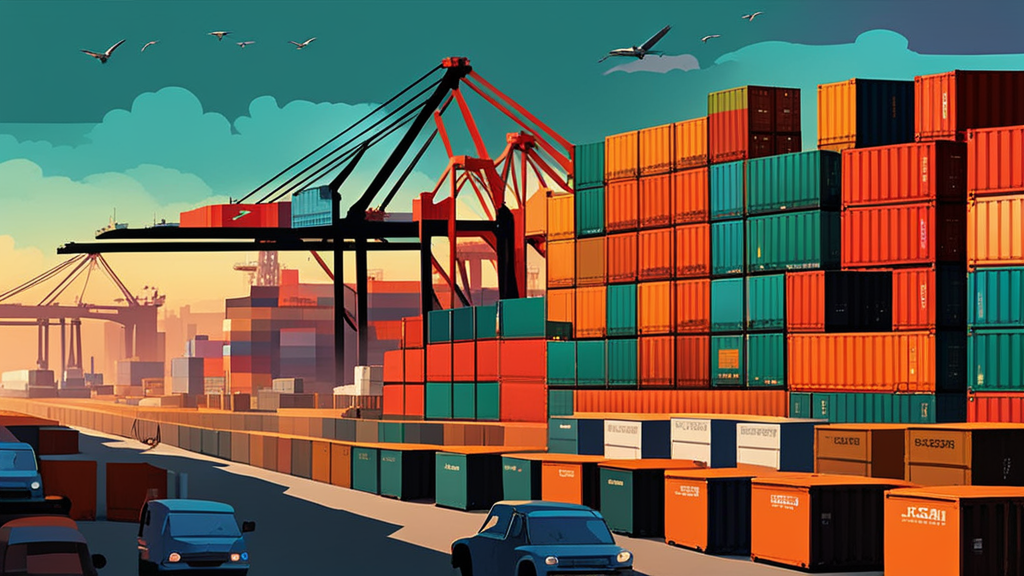
Apapa, Lagos, serves as one of Nigeria's busiest ports and is critical for the country's import economy. However, it has been plagued by significant congestion, leading to increased demurrage costs for importers. This article explores the factors contributing to these rising costs, what demurrage really means, and practical strategies for expatriates and returning Nigerians to navigate these challenges.
The Nature of Demurrage Costs
Demurrage refers to the fees charged by shipping lines when cargo remains in the port beyond the agreed free time. Typically, this period is set to allow importers to clear their goods without incurring additional charges. In Apapa, where the congestion has reached critical levels, this free time is often not enough for importers to unload and return containers, leading to mounting costs.
As of our last update, demurrage charges can vary significantly, but they typically start accruing after a few days of free time, depending on the shipping line and type of container. For example, if a shipping line charges around 20,000 NGN (approximately $15) per day for a standard container, the costs can quickly escalate. Importers who cannot remove their goods due to delays may find themselves paying hundreds of thousands of NGN in just a few days.
Factors Contributing to Demurrage in Apapa
The congestion at Apapa is a result of multiple factors, including inadequate infrastructure, insufficient truck availability, and bureaucratic delays in customs clearance. Reports indicate that the volume of incoming containers often exceeds the port’s capacity, leading to a backlog that delays the return of empty containers. This situation is compounded by the fact that many shipping companies are not providing enough facilities to handle the increasing volume of cargo.
As a result, importers face not only demurrage fees but also potential detention charges for containers that are not returned on time. It's not uncommon for importers to incur dual charges, which can become financially burdensome. For instance, if a container takes an extra five days to clear customs due to congestion, the total demurrage could easily reach over 100,000 NGN (approximately $75) depending on the shipping line’s fee structure.
Understanding Demurrage vs. Detention
It's crucial for importers to understand the difference between demurrage and detention. Demurrage fees are incurred when the cargo is still at the port after the free time expires, while detention fees are charged when the container is retained beyond the allowed time for return. Both charges can accumulate simultaneously, dramatically increasing costs for businesses operating in Nigeria.
For example, if a container is delayed for 10 days due to customs issues and incurs both demurrage and detention charges, the total costs can become unmanageable. It's advisable for importers to clarify these terms with their shipping agents and understand the specific charges associated with their shipments to avoid unexpected financial strains.
The Impact of Congestion on Logistics
The logistics landscape in Lagos is increasingly challenging due to the port congestion at Apapa. Delays in truck turnaround times mean that importers must plan their logistics carefully to avoid incurring additional costs. Many expats and returning Nigerians may find that using a reputable logistics company can help streamline operations and reduce the risk of incurring demurrage fees.
It is also beneficial to establish relationships with local customs brokers who are familiar with the intricacies of Nigerian port operations. These professionals can help navigate potential pitfalls and expedite the customs process, thereby reducing the likelihood of facing long waits that lead to increased costs.
Practical Tips for Managing Costs
For expatriates and returning Nigerians, managing demurrage costs in the face of Apapa's congestion requires strategic planning. Here are several actionable tips:
- Plan Ahead: Before shipping goods, ensure that all necessary documentation is prepared and that customs processes are understood. This can significantly reduce delays during clearance.
- Choose Reliable Logistics Partners: Partner with logistics companies that have a good track record in Nigeria and understand the local market dynamics. They can provide insights on the best times to ship and how to mitigate delays.
- Monitor Container Status: Use tracking tools offered by shipping lines to monitor the status of your containers. Staying informed can help you react quickly to any unexpected delays.
- Negotiate Terms: When dealing with shipping lines, negotiate for better terms regarding free time and demurrage rates, if possible. Understanding the market can empower importers during these discussions.
- Stay Informed: Join expat forums or local business associations where experiences and strategies around navigating the logistics landscape in Nigeria are shared. Connecting with others facing similar challenges can offer invaluable advice.
Frequently Asked Questions
How much can demurrage charges amount to in Apapa?
Demurrage charges typically range from 20,000 NGN to 50,000 NGN (approximately $15 to $37) per day, depending on the shipping line and type of container. This can quickly add up if delays occur.
What can I do if I face unexpected demurrage fees?
If you encounter unexpected fees, contact your shipping line immediately to discuss the situation. Document everything and, if necessary, seek the assistance of a logistics professional or customs broker to resolve disputes.
Conclusion
The congestion at Apapa port significantly impacts demurrage costs for importers, making it essential for expatriates and returning Nigerians to understand the financial implications. By being proactive, choosing reliable logistics partners, and staying informed, it’s possible to mitigate these costs effectively. Adapting to the complexities of Nigeria's port systems can lead to smoother operations and lower expenses, allowing for a more successful business experience in Lagos.
AI-Generated Content: This article was created with AI assistance and may contain inaccuracies. Please verify important information with official sources.
Exchange rate used in this article: 1 USD = 1331.186 NGN (rate as of 2026-10-11T04:40:22.399800+00:00, source: Central Bank of Nigeria (CBN)).
Primary Sources
Last updated: October 2026