The Sukur Cultural Landscape in Adamawa State, Nigeria, is a UNESCO World Heritage Site that offers a fascinating glimpse into the cultural and historical fabric of the region. Recognized for its unique combination of traditional settlement patterns, agricultural practices, and terraced fields, Sukur exemplifies the sustainable relationship between the Sukur people and their environment. This article delves into the significance, historical context, and status of the Sukur Cultural Landscape, providing insights and practical advice for expatriates interested in this exceptional heritage site.
What can we help you with?
Three short questions, then just how to reach you. No account needed.
Historical Context of the Sukur Cultural Landscape
The Sukur Cultural Landscape, inscribed as a UNESCO World Heritage Site in 1999, is nestled in the Mandara Mountains, close to Nigeria's border with Cameroon. This site has been inhabited for centuries, with evidence of human settlement and iron production dating back to the 16th century. The Sukur people have developed a distinctive landscape characterized by terraced farming, dry stone structures, and a complex socio-political system.
The historical significance of Sukur is rooted in its advanced agricultural practices and iron smelting technology. The Sukur community has played a significant role in the iron production sector of Northeastern Nigeria, with the remains of ancient iron-smelting furnaces scattered throughout the area. These furnaces operated using traditional methods that involved complex socio-economic relationships and rituals. The Hidi, the political and spiritual leader of the Sukur people, played a crucial role in maintaining these traditions, and his palace remains a focal point of the community.
Unique Features of Sukur Cultural Landscape
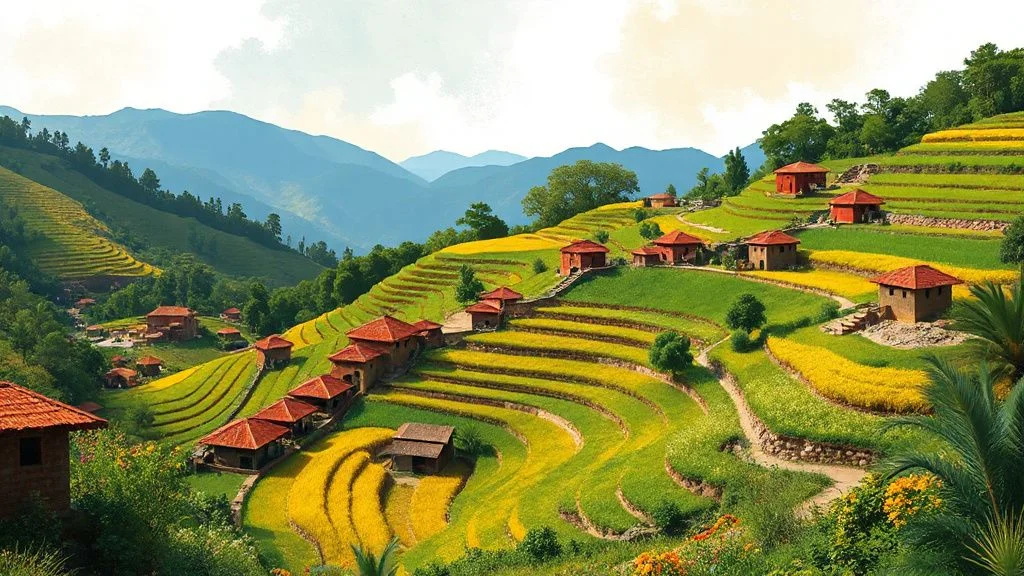
The Sukur Cultural Landscape is remarkable for its intricate terraced fields, which have been meticulously crafted over generations to optimize agricultural production. The terracing method is not only efficient for farming but also enhances the aesthetic value of the landscape. The site covers an area of approximately 1,942.50 hectares, with a core zone of 764.40 hectares and a buffer zone of 1,178.10 hectares. The elevation of Sukur, standing at 1,045 meters above sea level, contributes to its unique microclimate, further benefiting agricultural practices.
The architecture of Sukur is another highlight, featuring dry stone walls and mud-walled thatched-roof houses. These structures are not only functional but also serve as social markers within the community. Enclosed spaces, such as the ceremonial grounds, animal pens, and granaries, demonstrate the social and economic significance of the architecture. The stone-paved pathways connect various parts of the settlement, showcasing the intricate planning and organization of the village layout.
Cultural Practices and Festivals
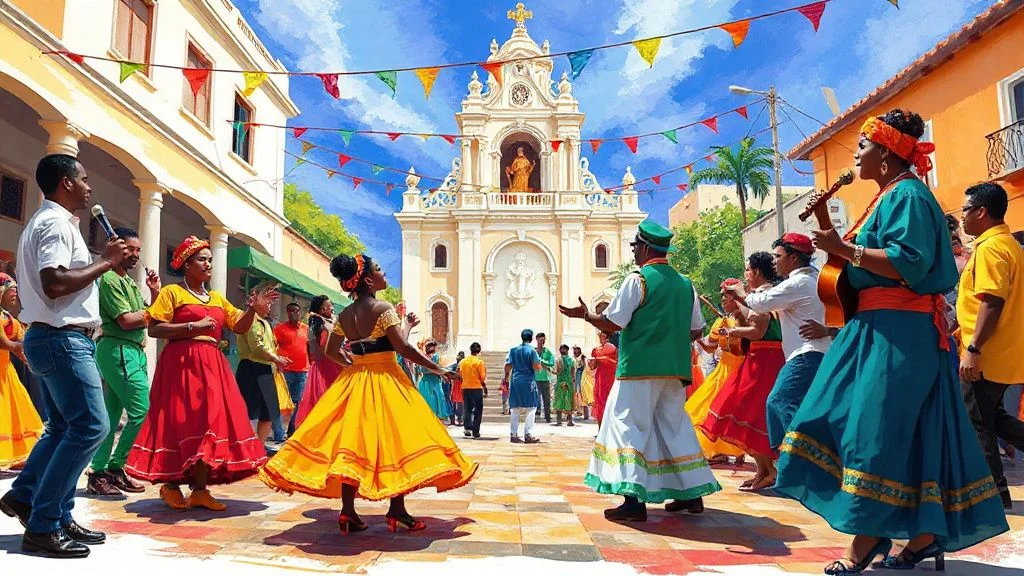
One of the most significant aspects of the Sukur Cultural Landscape is its ongoing cultural practices that have been preserved over the centuries. Festivals and rituals are integral to the Sukur people's identity and often revolve around agricultural cycles, harvests, and rites of passage. These celebrations foster community spirit and reinforce social ties among the Sukur people.
Another important cultural practice is the reverence for sacred sites within the landscape, including sacred trees and shrines associated with the Hidi's palace. These sites are not only of spiritual significance but also serve as reminders of the community's rich history and traditions. Expatriates visiting Sukur should be respectful of these customs and may wish to learn about local rituals and practices, ensuring they approach such experiences with sensitivity and respect.
Current Status and Conservation Efforts
Since its inscription as a UNESCO World Heritage Site, the Sukur Cultural Landscape has been the focus of various conservation efforts aimed at preserving its rich heritage. The National Commission for Museums and Monuments has collaborated with the Sukur community to maintain the physical remains of the site, ensuring that the terraced fields, dry stone structures, and ceremonial areas are well-preserved. This partnership highlights the importance of community involvement in heritage conservation.
Tourism in Sukur has the potential to provide an economic boost to the local community. However, this increase in visitors presents challenges that require careful management to prevent environmental degradation and maintain the cultural integrity of the site. Expatriates interested in visiting Sukur should be aware of responsible tourism practices, including minimizing waste, respecting local customs, and supporting local businesses.
What Expats Should Know About Visiting Sukur
For expatriates planning to visit the Sukur Cultural Landscape, understanding the local customs and etiquette is essential. Here are some practical tips:
- Respect Local Customs: Always greet locals with a smile and a friendly 'hello' in English or the local language. Engaging in small talk can help forge connections.
- Dress Modestly: While Sukur is relatively open to visitors, wearing modest clothing is advisable, especially when visiting sacred sites.
- Seek Permission: If you wish to take photographs of people or sacred sites, always ask for permission first. This shows respect for the community and their traditions.
- Support Local Artisans: Purchase handmade crafts and goods from local artisans to contribute to the community’s economy. This helps sustain traditional craftsmanship and provides income to local families.
- Participate in Community Activities: Engage in cultural events when invited. This provides a deeper understanding of the local traditions and fosters goodwill between you and the community.
Conclusion
The Sukur Cultural Landscape is not just a heritage site; it is a living testament to the enduring cultural traditions of the Sukur people. Its significance lies in its rich history, unique agricultural practices, and vibrant community life. As expatriates explore this UNESCO World Heritage Site, they will gain valuable insights into the complexities of Nigerian culture and the importance of preserving such cultural treasures for future generations. By engaging respectfully with the community and participating in local customs, visitors can create meaningful connections and contribute to the ongoing legacy of the Sukur Cultural Landscape.