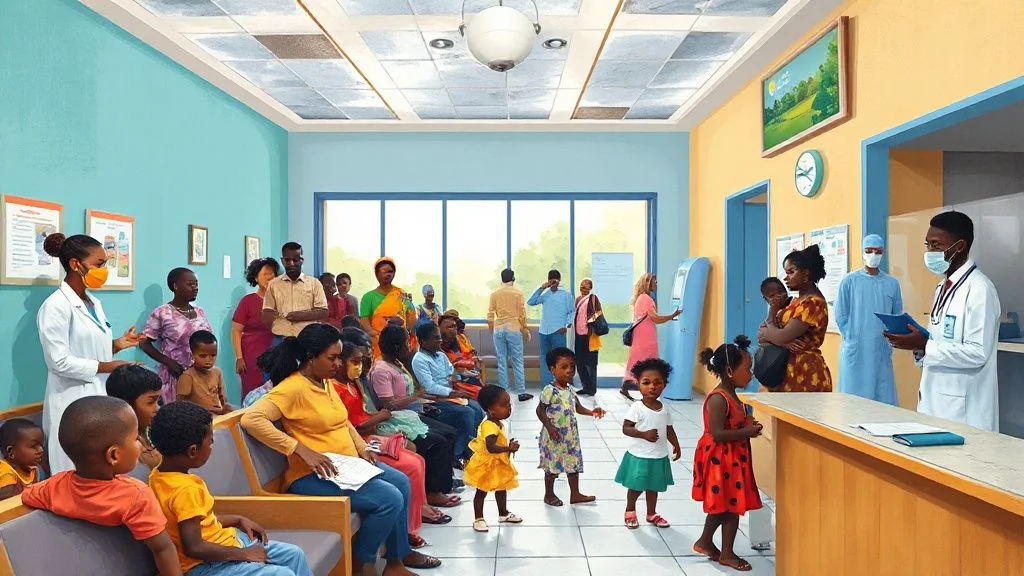
Parents relocating to Nigeria or returning to their homeland will find a mixed landscape of paediatric care options. Understanding the healthcare system, available facilities, and the cultural nuances surrounding child health is essential for ensuring your child's well-being. This article provides an in-depth look at where children are treated in Nigeria, focusing on key aspects of paediatric care in major cities like Lagos and Abuja.
What can we help you with?
Three short questions, then just how to reach you. No account needed.
Understanding Paediatric Care in Nigeria
Paediatric care in Nigeria encompasses various services specifically tailored for the health needs of children from infancy through adolescence. The healthcare system is divided into public and private sectors, with both offering distinct advantages and challenges. Public healthcare is often more affordable, while private hospitals generally provide better facilities and shorter waiting times. Each option has its pros and cons, which parents should weigh based on their individual needs and circumstances.
Public Healthcare Facilities
Public hospitals in Nigeria are funded by the government and are more accessible to the general population. Many larger cities, such as Lagos and Abuja, boast well-established public health facilities that specialize in child care. These facilities typically offer paediatric services that include general consultations, vaccinations, and specialist care for chronic conditions.
However, these facilities often face challenges such as overcrowding, limited resources, and varying standards of care. Parents should expect longer wait times and may need to advocate for their child’s needs actively.
Private Healthcare Facilities
Private hospitals typically provide a higher standard of care, advanced medical technology, and more comfortable environments. Many private hospitals offer paediatric services that include routine check-ups, emergency care, and specialist consultations. Many private hospitals also have partnerships with international health organizations, ensuring that their practices align with global standards.
Costs at private hospitals can be significantly higher than those in public facilities. Parents should budget accordingly and consider health insurance options that cover paediatric care to alleviate financial burdens.
Common Paediatric Services Available
In Nigeria, essential paediatric services include routine immunizations, management of acute and chronic illnesses, nutritional counseling, and developmental assessments. According to guidelines from the Nigerian healthcare system, immunization against diseases such as measles, polio, and hepatitis B is prioritized in child healthcare.
Furthermore, many hospitals offer specialized services for conditions like asthma, diabetes, and congenital heart defects. These services are crucial, especially in urban areas where lifestyle diseases are becoming increasingly prevalent. Parents should ensure their children receive regular check-ups and stay updated on vaccination schedules.
Child Nutrition and Health Education
Nutritional counseling is another important aspect of paediatric care in Nigeria. Many healthcare facilities provide education on proper child nutrition, addressing common issues such as malnutrition and obesity. This service is particularly vital in a country where dietary habits may differ significantly from what expatriates are used to.
Parents can expect to receive guidance on age-appropriate diets, including local foods that are nutritious and beneficial for growing children. Healthcare providers often recommend local staples that are rich in vitamins and minerals, helping to bridge the cultural gap between expatriate diets and Nigerian cuisine.
Challenges in Paediatric Care
While the healthcare landscape for children in Nigeria is improving, several challenges persist. Limited access to healthcare, especially in rural areas, remains a significant issue. Many families may have to travel long distances to reach a suitable facility, which can be daunting, particularly in emergency situations.
Additionally, healthcare worker shortages can impact the quality of care. Parents may find that appointments with specialists can take weeks or even months to secure. Thus, proactive health management and regular check-ups become essential to ensure timely intervention when needed.
Cultural Considerations
Understanding cultural nuances is critical when navigating healthcare in Nigeria. Families may come across traditional medicine practices that are often sought as alternatives or complements to conventional healthcare. While some of these practices can be beneficial, parents should exercise caution and consult with healthcare professionals before choosing alternative treatments.
Furthermore, communication styles in healthcare settings can differ significantly. Expats may find that direct questioning is less common in Nigerian culture. Building rapport with healthcare providers can facilitate better understanding and cooperation regarding a child's health needs.
Practical Tips for Expat Parents
As an expatriate or returning Nigerian, there are several practical tips to enhance your experience navigating paediatric care:
- Research Local Facilities: Before your move, identify nearby hospitals and clinics that offer paediatric services. Look for reviews from other expat families to gauge their experiences.
- Establish a Relationship with a Pediatrician: Once settled, consider establishing a relationship with a trusted paediatrician. Regular visits can help build a rapport, making it easier to discuss any concerns.
- Stay Informed About Vaccinations: Ensure that your child’s vaccinations are up-to-date, and familiarize yourself with the local immunization schedule.
- Prepare for Emergencies: Familiarize yourself with emergency contact numbers and the location of the nearest hospital in case urgent care is needed.
- Maintain Open Communication: Engage in open dialogue with healthcare providers. Do not hesitate to ask questions or seek clarification about treatment options.
Conclusion
Paediatric care in Nigeria presents both opportunities and challenges for families. With a mix of public and private healthcare options, parents can find suitable facilities for their children's needs. By understanding the local healthcare landscape, common services available, and cultural nuances, expats and returning Nigerians can ensure that their children receive the best care possible. Armed with practical tips and knowledge, families can navigate the paediatric healthcare system with confidence.