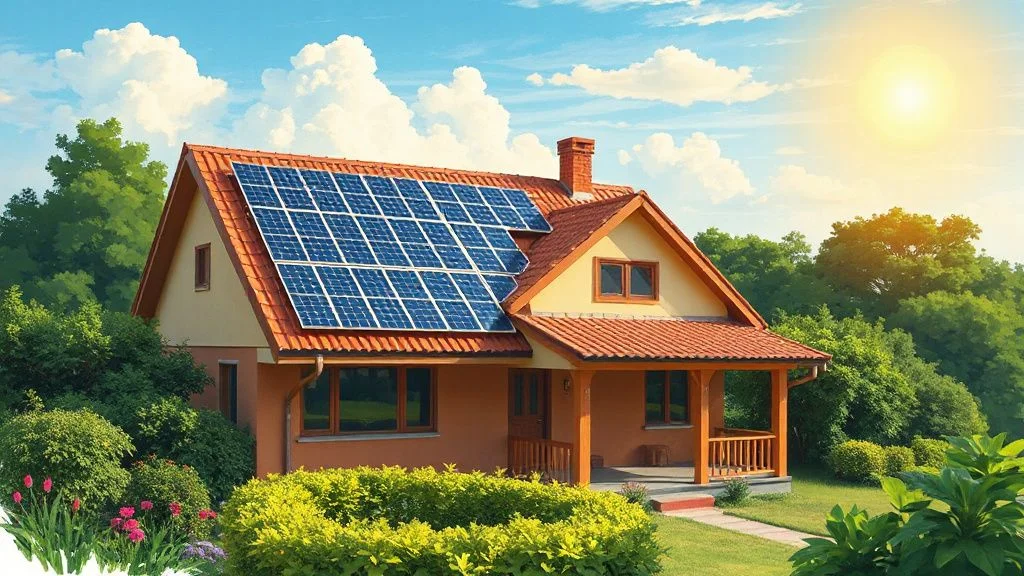
As Nigeria continues to grapple with inconsistent electricity supply, more households are turning to solar energy systems equipped with battery inverters. This transition not only offers a reliable source of power but also promotes sustainability. In this article, we will delve into the details of solar energy systems, their installation processes, and practical tips for expatriates and returning Nigerians looking to make this investment.
What can we help you with?
Three short questions, then just how to reach you. No account needed.
Understanding Solar Energy Systems
A solar energy system consists of solar panels, a battery inverter, and batteries that store energy. The solar panels harness sunlight and convert it into electricity, while the inverter transforms the direct current (DC) generated by the panels into alternating current (AC), which is usable by household appliances. The battery storage system ensures that excess energy generated during sunny days can be used when the sun is not shining, providing a continuous power supply.
In Nigeria, the common voltage supply is 230 V / 50 Hz, which aligns well with most solar energy systems. Given the frequent power outages, having a solar system with a battery inverter is increasingly seen as a necessity for both expatriates and locals.
Types of Solar Energy Systems Available
When considering a solar energy system, you will primarily encounter two types: grid-tied and off-grid systems. Grid-tied systems are connected to the national grid and typically allow users to sell excess power back to the grid. However, given Nigeria's unreliable grid supply, many homeowners prefer off-grid systems that operate independently, providing power even during outages.
In addition to these, hybrid systems that combine both options are gaining popularity. They enable users to draw power from the grid when available, while still relying on battery storage for backup. This flexibility can be particularly beneficial in urban areas like Lagos and Abuja where power outages are frequent.
The Installation Process
Installing a solar energy system in your home involves several steps. First, an energy audit is recommended to assess your power needs. This audit will help determine the size of the solar system required. For instance, a typical Nigerian household may require anywhere from 3 to 5 kVA systems, depending on the number of appliances and daily energy consumption.
Once the energy audit is complete, the next step is to select the right equipment. It is advisable to choose high-quality solar panels and inverters from reputable manufacturers. Many providers in Nigeria offer installation services, which typically include the setup of solar panels, inverters, and batteries. It is important to verify that the installers are qualified, ideally with a background in electrical engineering.
- Step 1: Conduct an energy audit to determine your energy needs.
- Step 2: Choose reputable solar equipment providers.
- Step 3: Hire qualified installation professionals.
- Step 4: Obtain the necessary permits if required.
- Step 5: Complete the installation and conduct a thorough system check.
Costs and Financing Options
The cost of installing a solar energy system in Nigeria can vary significantly based on system size and components used. While specific prices are not publicly listed, it is advisable to get quotes from multiple providers to compare. Typically, a complete installation might range from several hundred thousand to millions of Naira, depending on the system capacity and additional features.
For many expatriates and returning Nigerians, financing options are available through various providers. Some companies offer payment plans that allow you to spread the cost over several months. This can be particularly advantageous if you want to invest in a comprehensive system without incurring a hefty upfront cost.
Always ensure to verify the financing terms before committing. Interest rates and repayment plans can differ widely among providers.
Practical Tips for Homeowners
Before installing a solar energy system, consider the following practical tips:
- Location Matters: Ensure your solar panels are installed in an area that receives maximum sunlight throughout the day. Roofs facing south or west typically offer the best exposure.
- Maintenance: Regular maintenance is essential for optimal performance. This includes cleaning the panels and checking the inverter and battery health. Most providers offer maintenance services, which can be a worthwhile investment.
- Battery Selection: Lithium-ion batteries are becoming increasingly popular due to their longevity and efficiency. Verify the battery specifications, including capacity and warranty, to ensure it meets your energy needs.
- Be Informed: Stay updated on local regulations and incentives related to solar energy. Some local governments may offer rebates or tax incentives for solar installations.
What Expats Should Know
For expatriates relocating to Nigeria, adapting to the solar energy landscape can be pivotal. Here are some insider insights:
- Local Providers: Research local solar energy providers in Lagos and Abuja. Many companies specialize in providing tailored solutions for expatriates, ensuring the installation meets international standards.
- Cultural Nuances: Be prepared for potential delays in installation due to logistics or weather conditions. Patience and flexibility are key when dealing with local contractors.
- Community Engagement: Engaging with local expat communities can provide valuable recommendations for reliable service providers and shared experiences regarding solar installations.
- Adaptation: Familiarize yourself with the local electrical standards. Nigeria operates on a 230 V supply, which is compatible with most international appliances, but confirm compatibility with your devices.
Conclusion
Investing in a solar energy system with a battery inverter provides a sustainable solution to Nigeria's power challenges. From understanding the different types of systems available to navigating the installation process and costs, this guide serves as a comprehensive resource for expatriates and returning Nigerians. By making an informed decision, you can enjoy reliable power while contributing to a greener future.